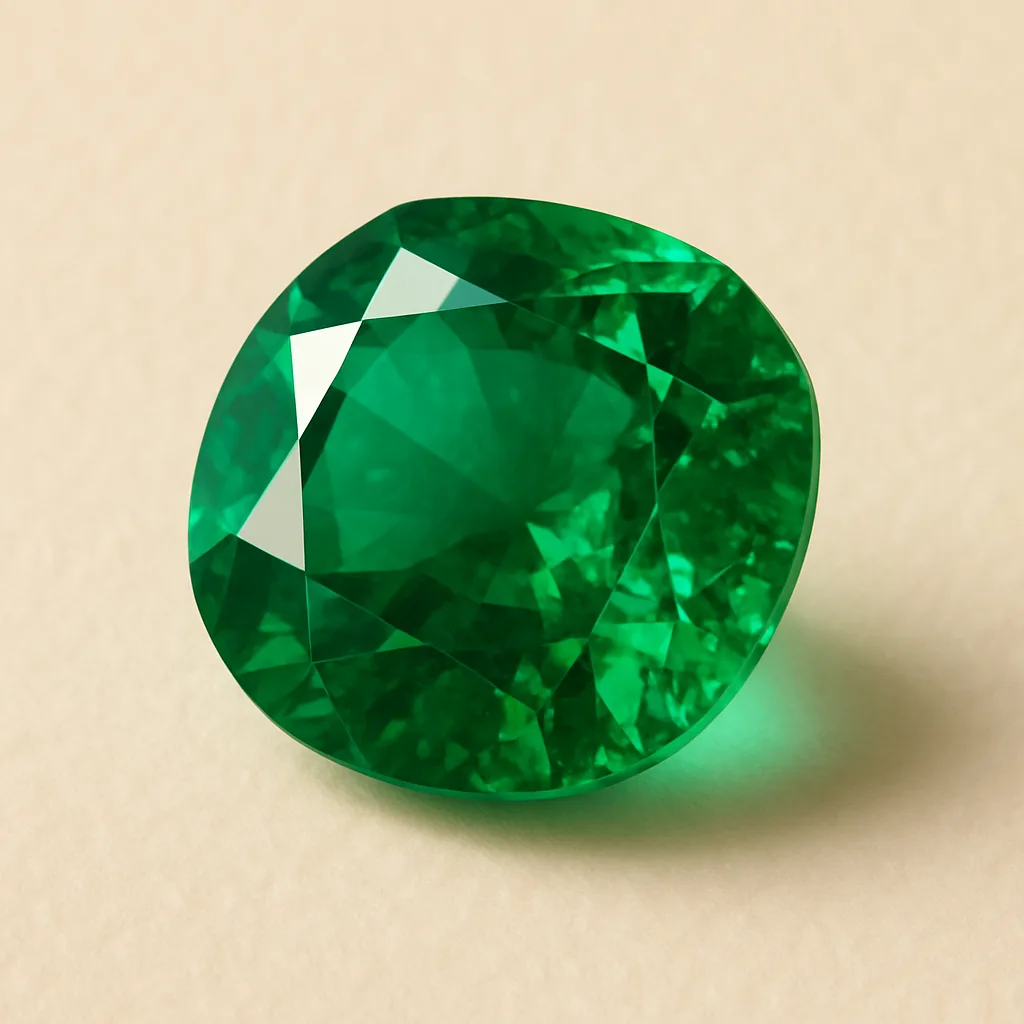
identified this stone yet
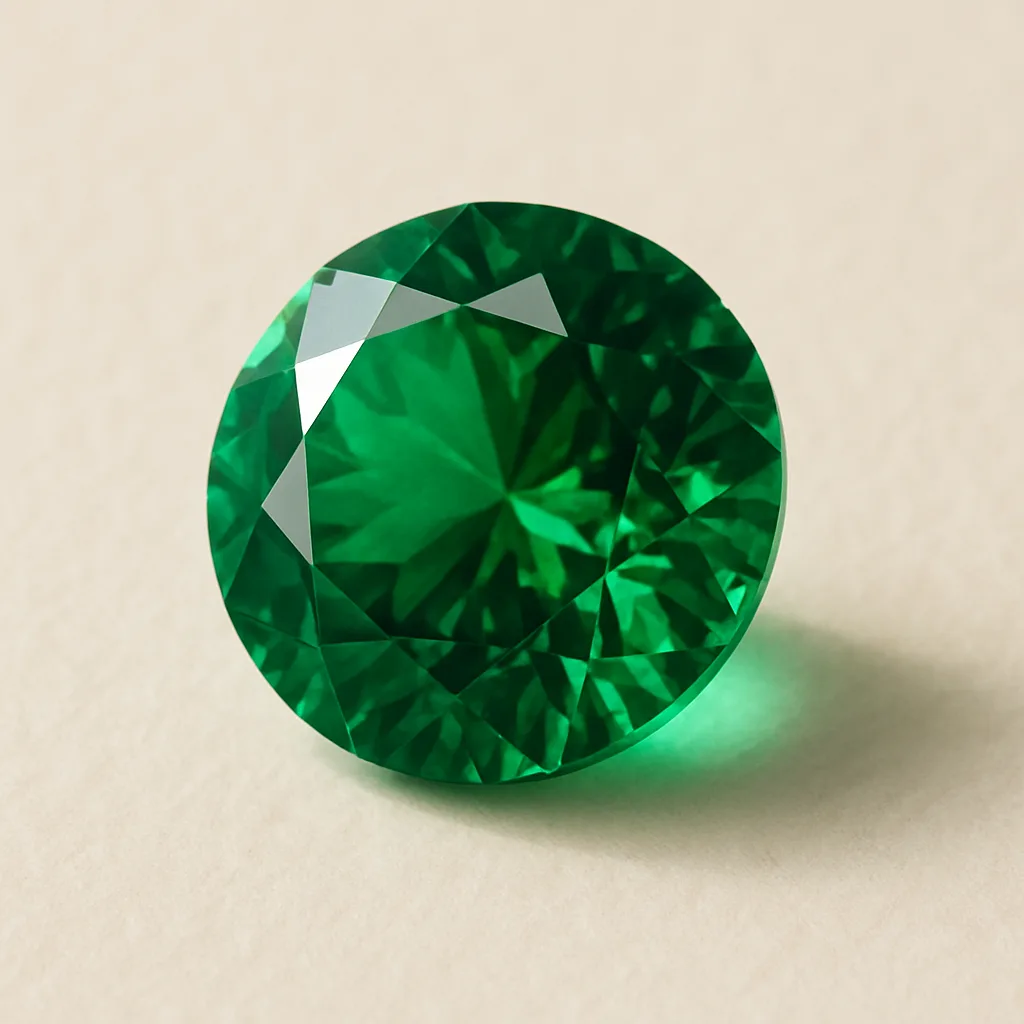
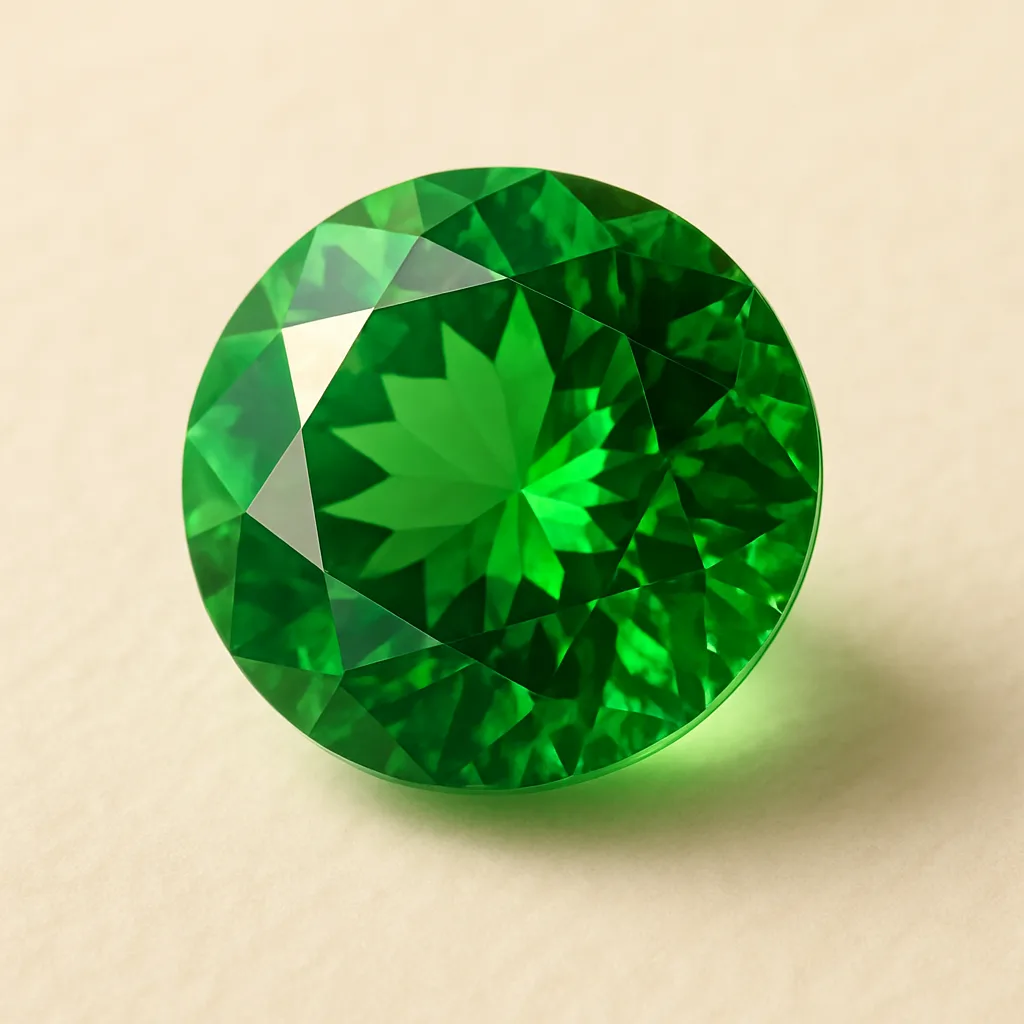
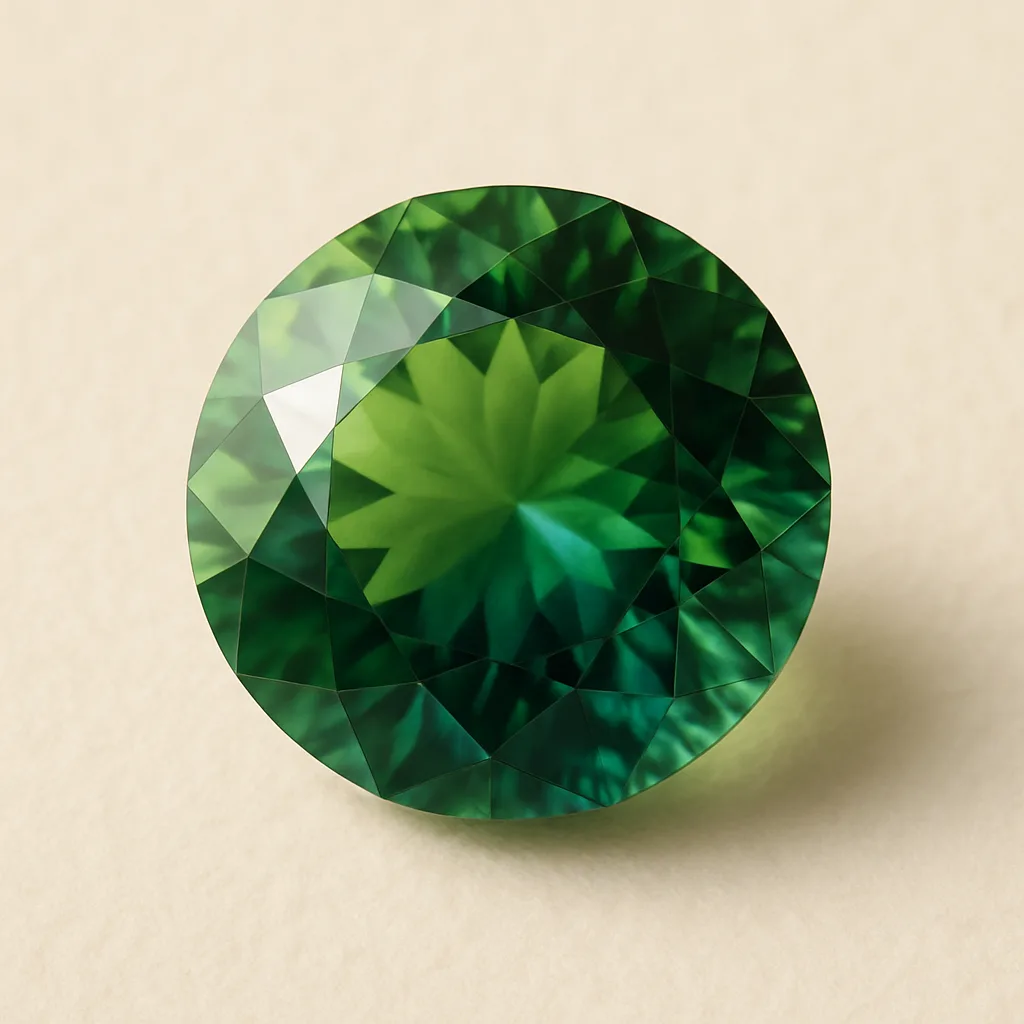
Natural Emerald
| Hardness | 7.5-8 |
| Specific gravity | 2.72 |
| Refractive index | 1.577-1.583 |
| Crystal system | 六方晶系 |
Slightly bluish green through pure green to slightly yellowish green. Colombian material tends toward pure, slightly warm green; Zambian toward bluish green; Brazilian toward yellow-green.
- nclusions (gas + liquid + solid crystal) — diagnostic for Colombian origin
- nclusions and growth tubes
- Healed fractures filled with oil or resin
- Pyrite or mica crystals (Colombian)
- Doubly refractive, uniaxial negative
- Distinct dichroism: green and bluish green
- 01nclusions strongly suggest Colombian natural origin
- 02Chevron-shaped growth patterns suggest hydrothermal synthetic
- 03nclusions is highly suspect — almost always synthetic or heavily treated
- 04Chelsea filter reaction (pinkish/red) supports chromium emerald but is not conclusive
- Never ultrasonic or steam — oil treatment will be stripped and fractures may open
- Clean only in warm soapy water
- Re-oiling is a routine maintenance procedure done by skilled bench jewelers
From $50/ct for commercial Brazilian material up to $300,000+/ct for top untreated Colombian. Clarity grade and oil treatment level matter more than for any other major gem.
Note: Oiling — filling surface-reaching fractures with cedar oil or resin — is so standard that 'no oil' (or 'insignificant') stones command large premiums. Always check the treatment grade on the lab report: none, minor (F1), moderate (F2), significant (F3).
Emerald is beryl (Be₃Al₂Si₆O₁₈) tinted green by chromium, sometimes with vanadium. Major sources are Colombia (Muzo, Chivor, Coscuez), Zambia (Kagem), Brazil, Ethiopia, and Afghanistan (Panjshir). The traditional emerald cut — a rectangular step cut with chamfered corners — was developed specifically to reduce stress on the corners of this fracture-prone gem.
Origins
Colombian Muzo and Chivor emeralds set the benchmark for warm, pure green and command a significant origin premium. Zambian Kagem produces excellent material with a more bluish, cooler tone. Ethiopian emeralds, discovered in 2016 near Shakiso, show clean Colombian-style color and have rapidly entered the market. Brazilian and Afghan stones cover much of the mid-range market.
History
Mined in Egypt's Cleopatra Mines from 1500 BCE — the queen herself is said to have favored emerald above all stones. Spanish conquistadors found vast Colombian deposits in the 16th century; the resulting Mughal-era emeralds in India and Iran remain among the world's most important historical jewels.
Lore & symbolism
May's birthstone, symbolizing rebirth, love, and foresight. Said in classical lore to soothe the eyes and reveal truth. The traditional 20th and 35th wedding anniversary stone.
Tools to confirm this stone
Tools that help confirm Natural Emerald. Tap any item to jump to the matching section on the gem tools page.
- 10× loupeDETAILS →
Essential 10× tool to read inclusions, polish marks, and color zoning
- DichroscopeDETAILS →
Strong pleochroism — confirm both axes through twin windows
- Chelsea filterDETAILS →
Quick chrome-content screen — chromium-bearing stones glow red through the filter
- Handheld spectroscopeDETAILS →
Absorption-line pattern identifies the chromophore (Cr, Fe, or Co)
- RefractometerDETAILS →
Refractive index (1.577–1.583) narrows the species
- Last reviewed
- April 28, 2026
- Bibliography
- Gem Encyclopedia / GIA (Gemological Institute of America)
- Gem Identification Standards / Central Gem Laboratory (CGL), Tokyo
- Mineral & Gem Database / Mindat.org / Gemdat.org
- Introduction to Gemology / Gemmological Association of All Japan (GAAJ)
The gemological data on this page (refractive index, specific gravity, hardness, crystal system, etc.) is cross-checked against the authoritative primary sources listed above. Values may be revised as gemological research advances.