COMPARE GUIDE
AquamarineVSPhosphophyllite
Side-by-side comparison of physical properties, fluorescence, and crystal system — to identify by observation.
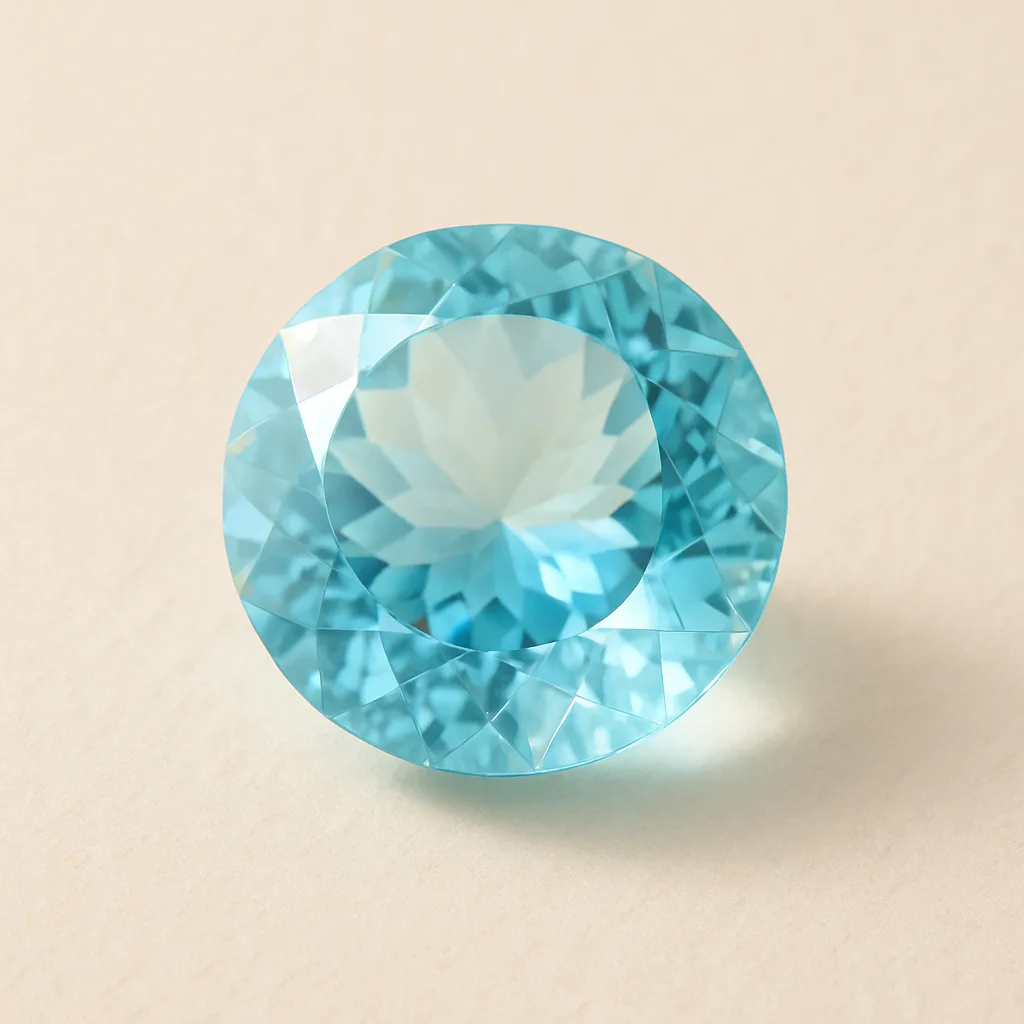
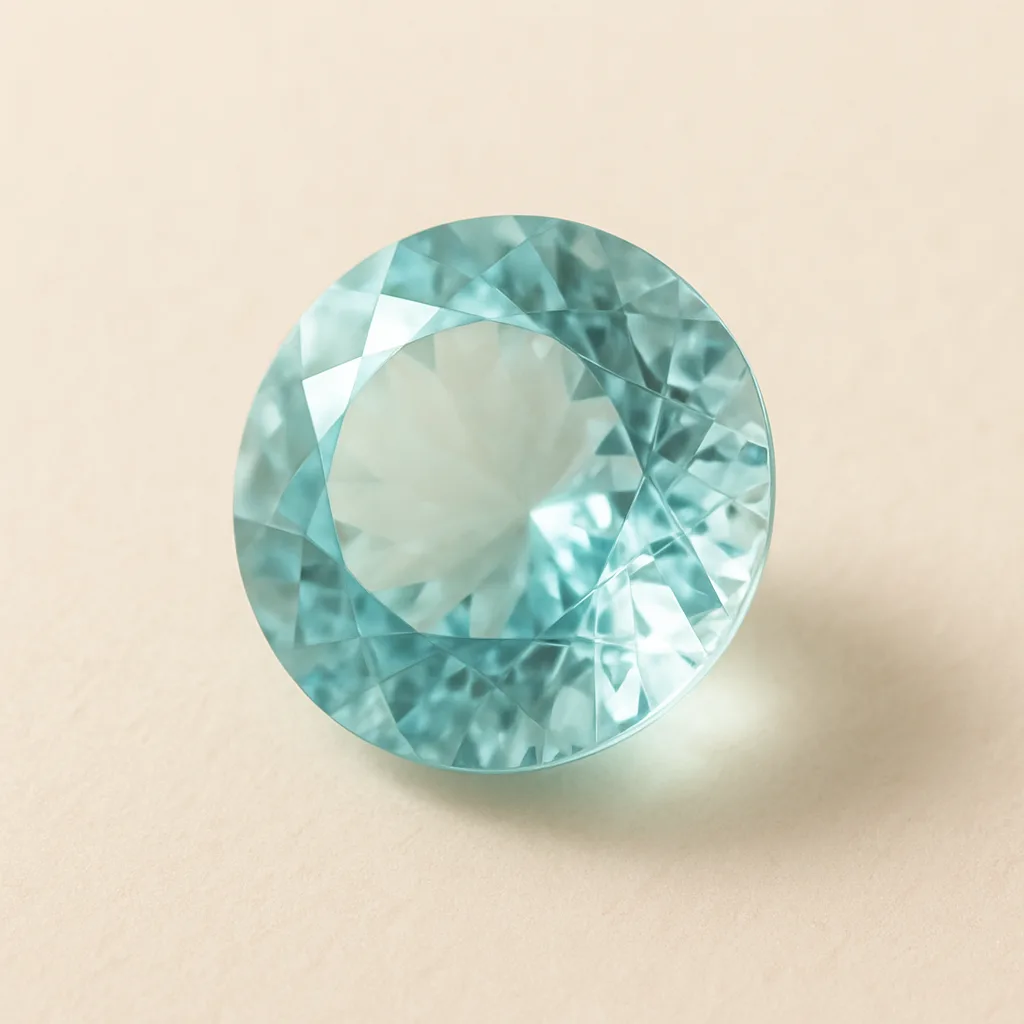
- ◎ is higher in Phosphophyllite, giving a numerical distinguishing point.
- ◎ is higher in Phosphophyllite, giving a numerical distinguishing point.
- ◎ is higher in Aquamarine, giving a numerical distinguishing point.
- ◎ is higher in Phosphophyllite, giving a numerical distinguishing point.
Note: properties whose numeric ranges do not overlap are auto-extracted. Both are measurable with a refractometer or heavy-liquid bath.
| Property | A: Aquamarine | B: Phosphophyllite | Verdict |
|---|---|---|---|
| Refractive index (RI) | 1.567–1.583 | 1.595–1.621 | B higher |
| Specific gravity (SG) | 2.66–2.80 | 3.07–3.13 | B higher |
| Mohs hardness | 7.5–8.0 | 3.0–3.5 | A higher |
| Birefringence | 0.006 | 0.022 | B higher |
| Dispersion | — | — | — |
| Property | A: Aquamarine | B: Phosphophyllite |
|---|---|---|
| Crystal system | 六方晶系 | 単斜晶系 |
| Pleochroism | 強(青・無色) | 強(青・無色) |
| Chelsea filter | inert | — |
| UV (long-wave) | inert | — |
| UV (short-wave) | inert | inert |
◆Aquamarine is beryl (Be₃Al₂Si₆O₁₈) with Mohs 7.5–8, SG 2.68–2.72, RI 1.57–1.58, and exceptional durability. Phosphophyllite is a zinc-iron phosphate with Mohs 3–3.5, SG 3.07–3.13, RI 1.595–1.621, and perfect . The hardness test alone — phosphophyllite scratches easily with a steel knife, aquamarine does not — gives an immediate separation, and the specific gravity (phosphophyllite distinctly heavier) and refractive index readings both confirm it. In practice, the rarity context resolves the question: any pale blue-green stone offered as 'aquamarine' is overwhelmingly likely to be aquamarine, while phosphophyllite is essentially never offered without explicit identification because of its collector status.
Distinguishing tools
Tools that decide between Aquamarine and Phosphophyllite in practice.
Note: this page is auto-generated from published GIA / CGL reference values. Individual stones, treatments, and synthetics may fall outside these ranges. For a definitive identification, consult an accredited gem laboratory.