identified this stone yet
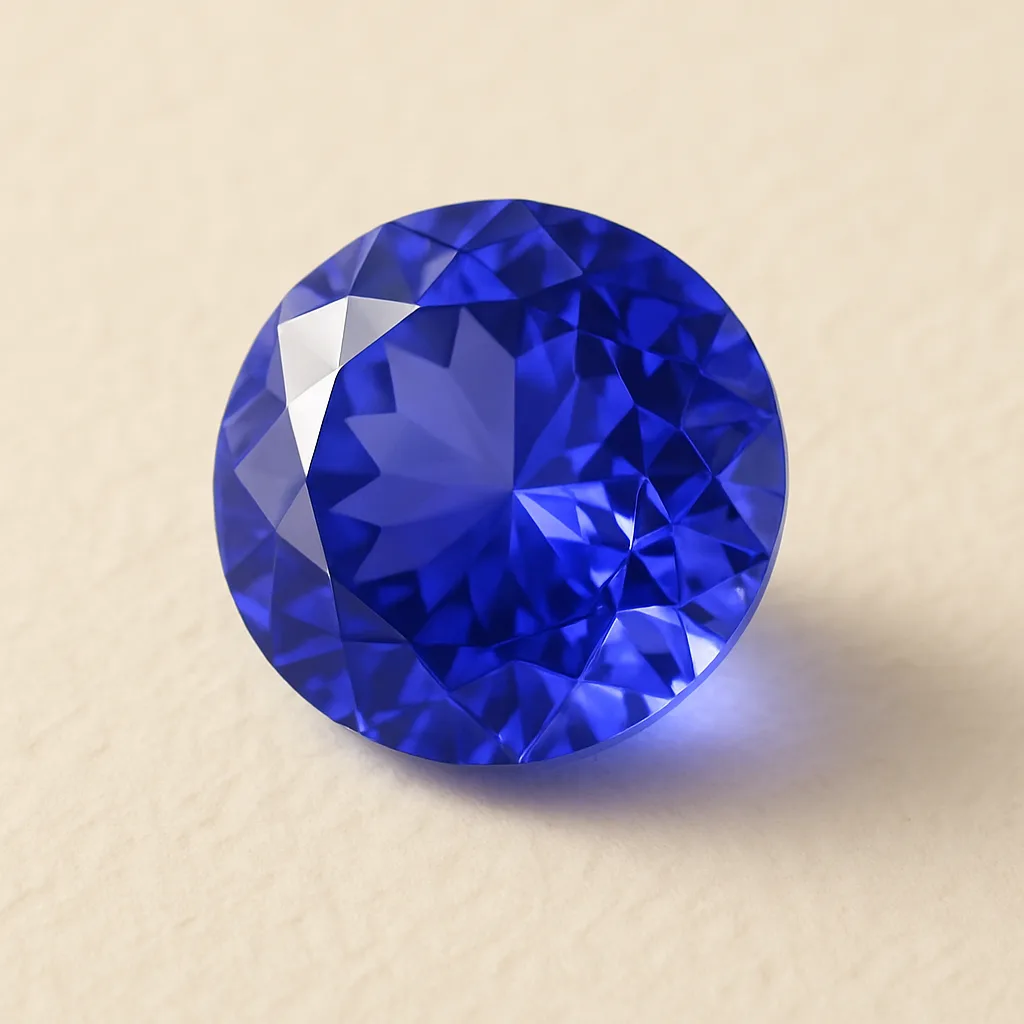
Tanzanite
| Hardness | 6-7 |
| Specific gravity | 3.35 |
| Refractive index | 1.691-1.700 |
| Crystal system | 斜方晶系 |
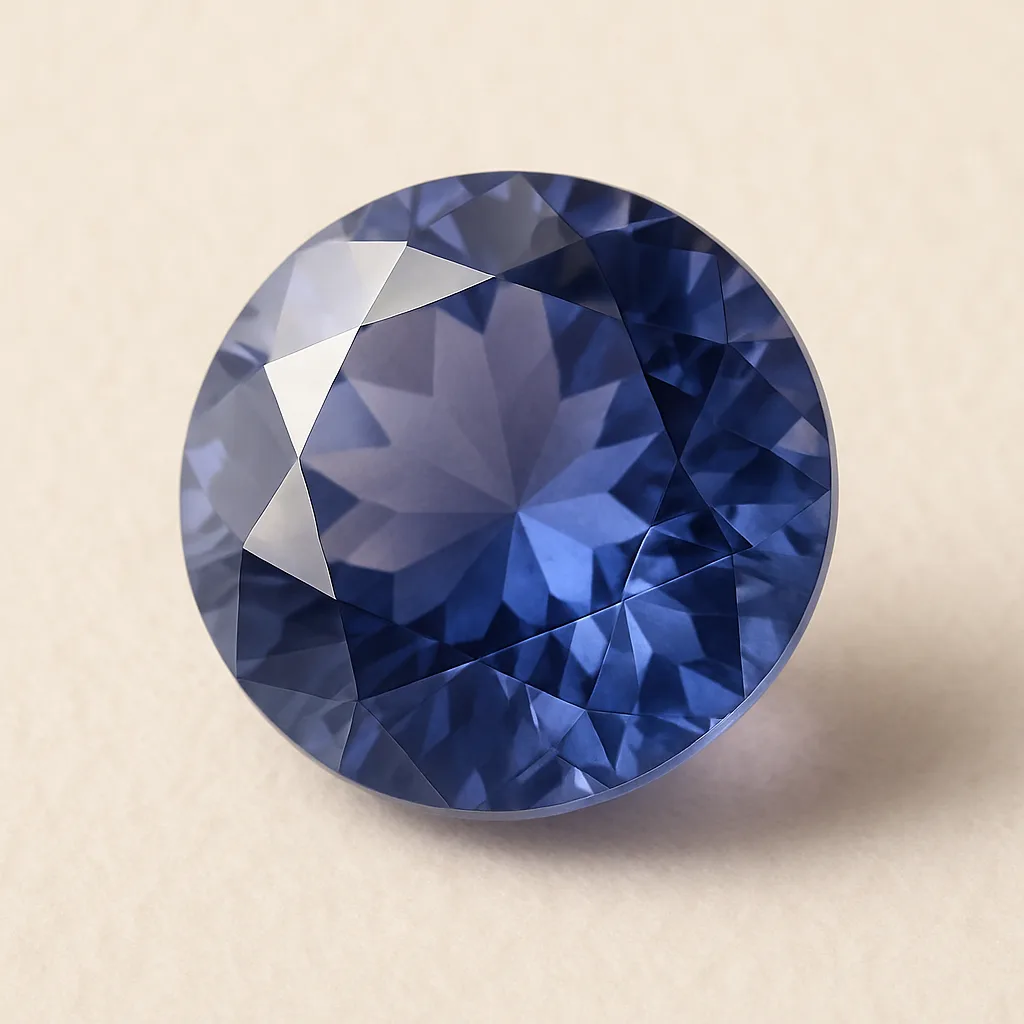
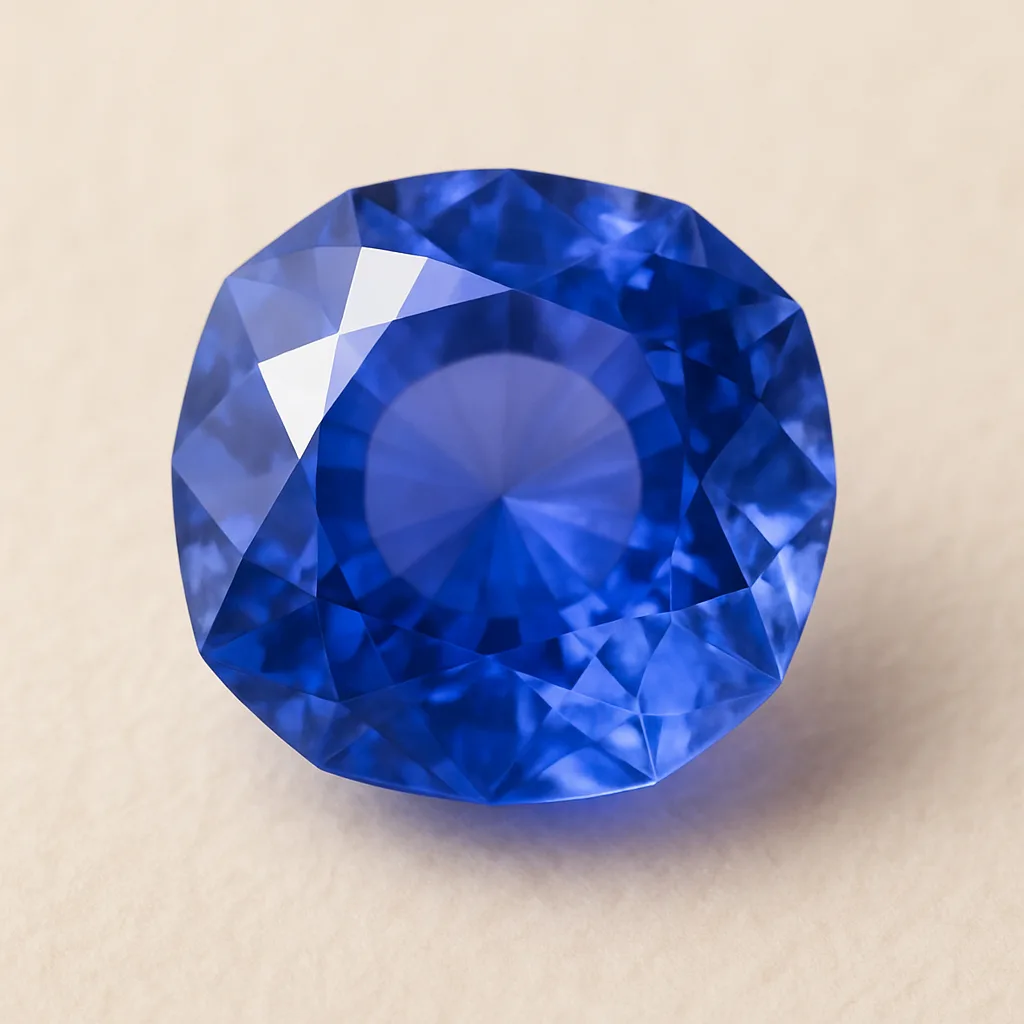
Violet-blue, pure blue, and slightly purplish blue. Pure sapphire-blue stones (graded 'AAA' or 'AAAA' by the trade) command the highest prices; lighter or more violet stones are abundant.
- Generally clean — eye-clean stones are typical
- nclusions when present
- nclusions
- nclusions (rare)
- Doubly refractive, biaxial positive
- Strong trichroism: blue, violet, and burgundy red — diagnostic
- 01Strong three-color (blue / violet / burgundy) is the easiest field test — rotate through a dichroscope
- 02Soft material with distinct — chipped girdles or edges are common
- 03RI 1.691–1.700 distinguishes from sapphire (1.762–1.770) and iolite (1.522–1.578)
- Avoid ultrasonic and steam — thermal shock can cause
- Avoid sharp impacts — distinct planes
- Better suited to earrings, pendants, and occasional-wear rings than to daily wear
From $100/ct for small commercial material up to $1,500/ct for top color in larger sizes.
Note: Heat treatment is virtually universal and accepted; unheated stones are rare but command little premium. Color and saturation drive value far more than origin (which is fixed). Larger stones (>5 ct) with strong saturation rise non-linearly in price.
Tanzanite is zoisite (Ca₂Al₃(SiO₄)₃(OH)) colored by trace vanadium. Nearly all rough is heat-treated at 380–500 °C to drive off the brownish component and bring out the saturated blue-violet color. Mohs 6–7 with distinct makes it more vulnerable to damage than its sapphire-like color suggests.
Origins
Found only at the Merelani Hills near Mount Kilimanjaro in Tanzania. The deposit is divided into four mining blocks and is expected to be depleted within 20–30 years, lending tanzanite a built-in scarcity narrative.
History
Discovered in 1967 by Maasai herder Ali Juuyawatu after a grass fire heated the surface deposits and revealed the saturated blue. Tiffany & Co. named the stone 'tanzanite' in 1968 and launched it as 'the most beautiful blue stone discovered in 2,000 years.' Added as a December birthstone in 2002.
Lore & symbolism
December birthstone (modern, alongside turquoise and blue zircon). Symbol of transformation and new beginnings. The 24th wedding anniversary stone.
Tools to confirm this stone
Tools that help confirm Tanzanite. Tap any item to jump to the matching section on the gem tools page.
- Last reviewed
- April 28, 2026
- Bibliography
- Gem Encyclopedia / GIA (Gemological Institute of America)
- Gem Identification Standards / Central Gem Laboratory (CGL), Tokyo
- Mineral & Gem Database / Mindat.org / Gemdat.org
- Introduction to Gemology / Gemmological Association of All Japan (GAAJ)
The gemological data on this page (refractive index, specific gravity, hardness, crystal system, etc.) is cross-checked against the authoritative primary sources listed above. Values may be revised as gemological research advances.