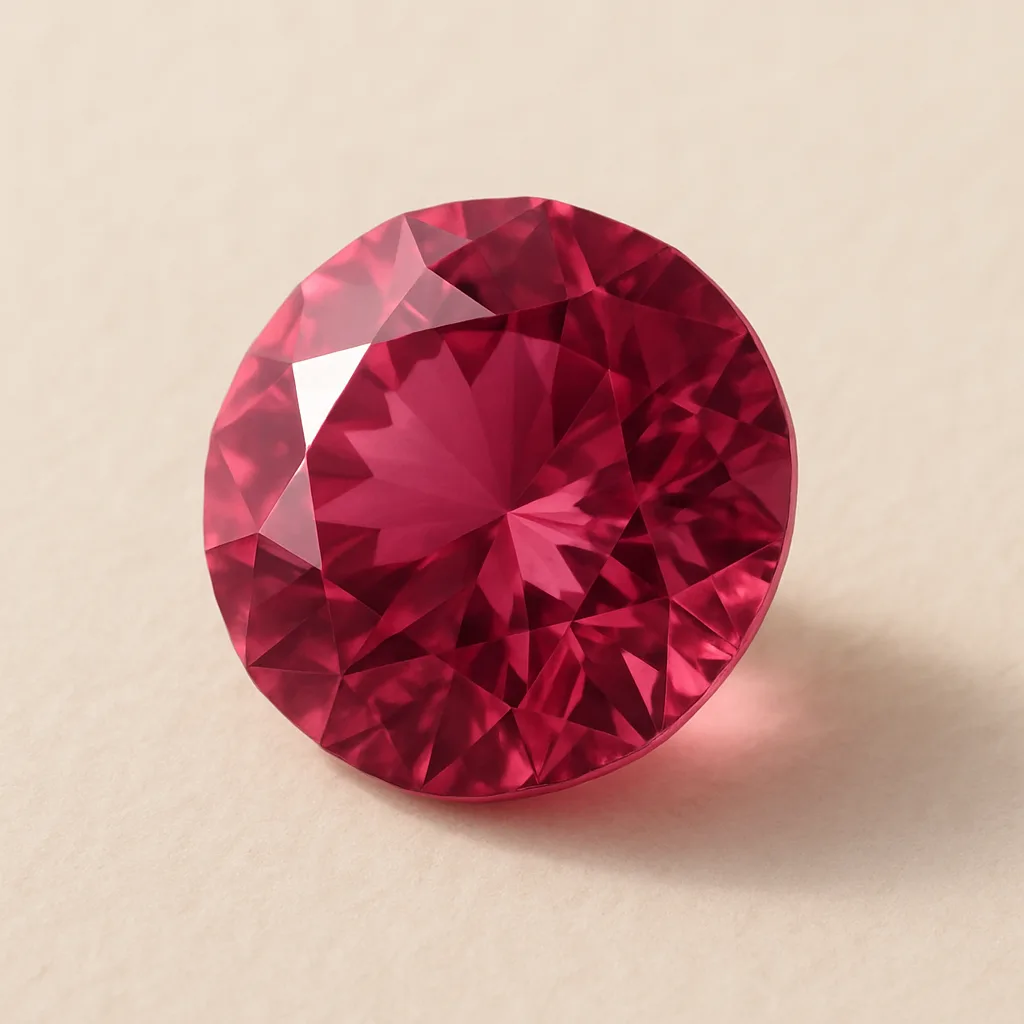
identified this stone yet
Rhodolite Garnet
| Hardness | 7-7.5 |
| Specific gravity | 3.74-3.94 |
| Refractive index | 1.745-1.760 |
| Crystal system | 等軸晶系 |
Raspberry red through rose pink and purplish red.
- nclusions (apatite, zircon, monazite)
- Rare rutile needles
- Healed fractures with fluid trails
- Singly refractive (cubic system) — no
- No
- Strong (visible rainbow flashes in well-cut stones)
- Refractive index 1.740–1.770
- 01Bright raspberry-purple-red — sharper and lighter than pyrope or almandine
- 02Singly refractive — separates rhodolite from ruby (doubly refractive)
- 03Inert under UV — separates rhodolite definitively from ruby (strong )
- 04Specific gravity 3.74–3.94 — intermediate between pyrope and almandine end-members
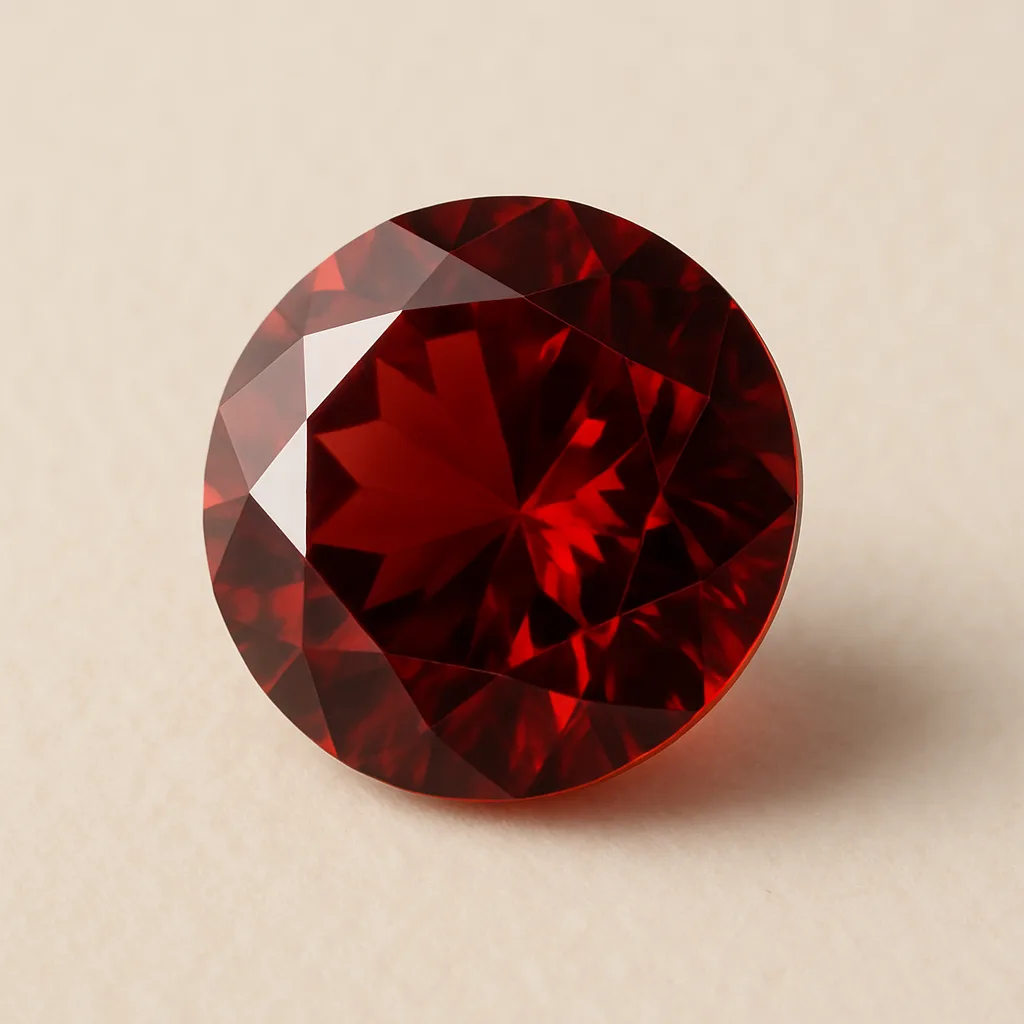
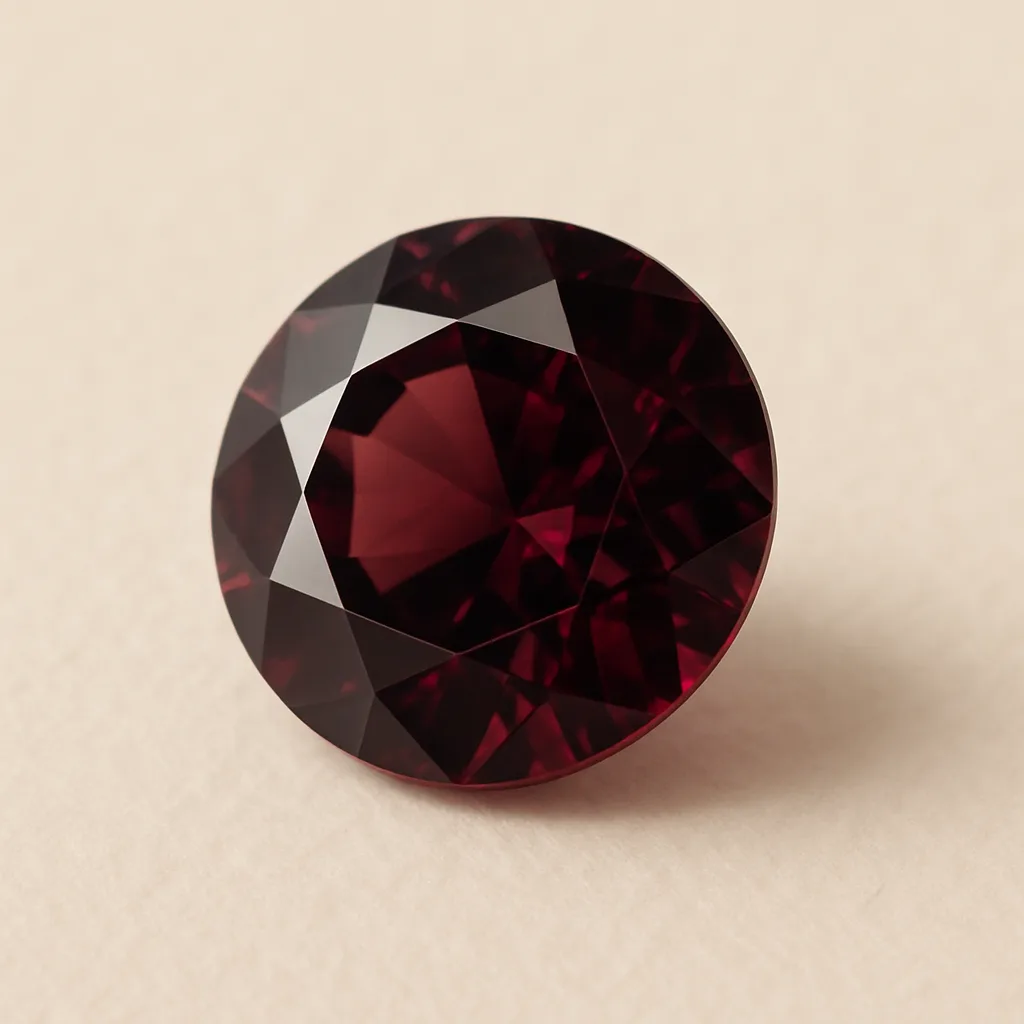
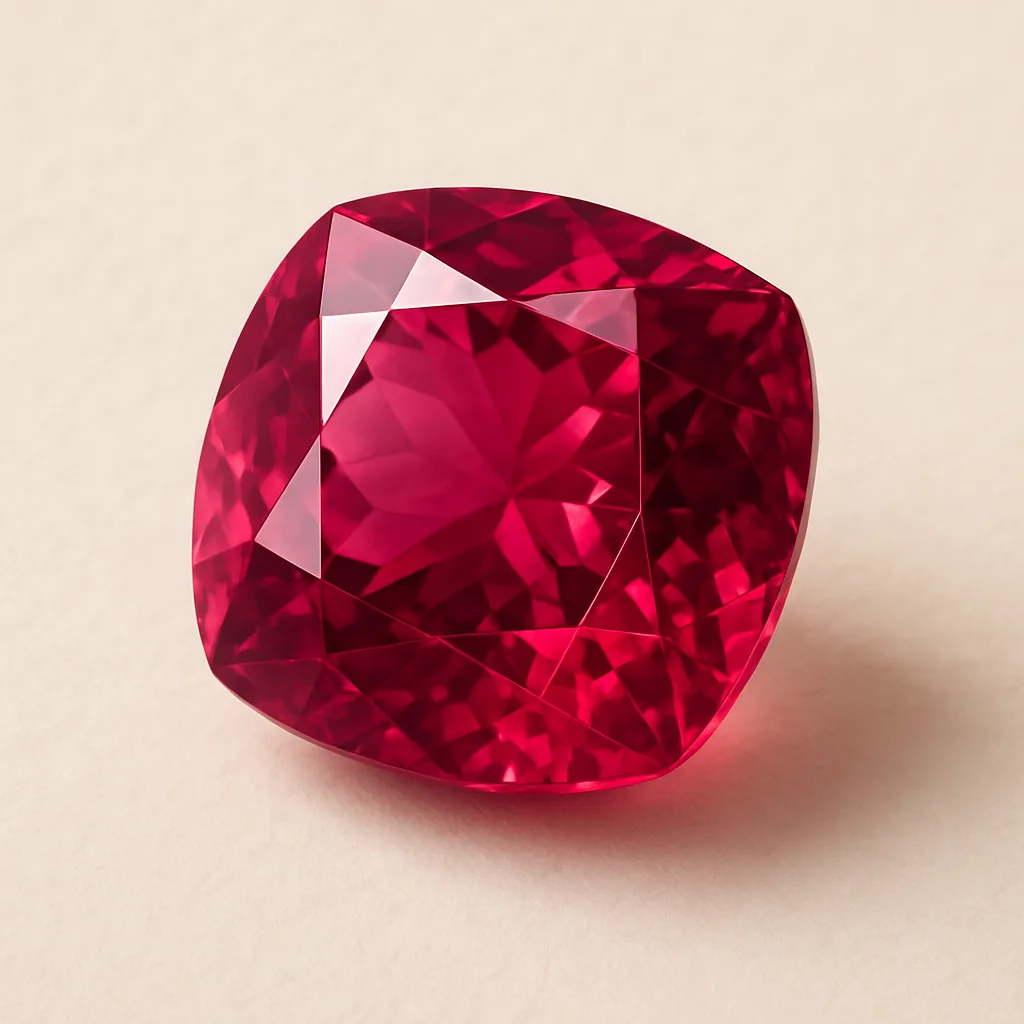
- Mohs 7–7.5 — suitable for daily wear
- Ultrasonic cleaning is normally safe
- Avoid sudden temperature changes
A few thousand yen per carat for ordinary material up to several tens of thousands of yen per carat for top-color stones above 5 ct.
Note: Tanzania, Mozambique, Sri Lanka, and Madagascar supply most current production. Rhodolite is rarely treated — heat treatment is occasionally applied to lighten dark stones but is not standard. The stone's strong color and clean transparency in the 2–5 ct range make it an excellent affordable alternative to ruby and pink sapphire.
aceting styles.
Origins
The original Cowee Valley deposit in Macon County, North Carolina — the type locality — produced gem material from the 1880s into the early 20th century. Modern commercial supply comes mainly from East Africa: the Umba Valley and Tunduru in Tanzania, the Mahenge district (better known for spinel), Kenya, Mozambique, and Madagascar's Sakaraha-Ilakaka region. Other producers include Sri Lanka, Brazil (Minas Gerais), India, and Idaho. The 'Malaya garnet' or 'imperial garnet' variety from Tanzania's Umba Valley is a rhodolite-spessartite intermediate with bright orange-pink color.
History
George Frederick Kunz, Tiffany & Co.'s legendary chief gemologist, examined material from Cowee Valley in the late 1880s and proposed the name 'rhodolite' in honor of the rose-tone color. His 1898 American Journal of Science paper formalized the variety name, and Tiffany & Co. promoted the stone through the 1890s and 1900s. The deposit was largely worked out by the First World War. The modern East African deposits opened up commercial supply from the late 1970s onward, and rhodolite is now one of the most popular and affordable rose-red gemstones in the global market.
Lore & symbolism
January birthstone, alongside the other garnet varieties, and the 2nd-anniversary stone. Sometimes called the 'stone of inspiration' or 'rose of the heart' in modern lapidary writing for its association with romantic love, devotion, and creative passion.
Tools to confirm this stone
Tools that help confirm Rhodolite Garnet. Tap any item to jump to the matching section on the gem tools page.
- 最終確認日
- 2026年4月28日
- 参 考 文 献
- Gem Encyclopedia/ GIA (Gemological Institute of America)
- 宝石鑑別基準/ 中央宝石研究所 (CGL)
- Mineral & Gem Database/ Mindat.org / Gemdat.org
- 宝石学入門/ 全国宝石学協会
本ページの物性値(屈折率・比重・硬度・結晶系等)は、上記の権威ある一次資料を相互参照して編集しています。最新の鑑別研究の進展により値が更新される場合があります。