identified this stone yet
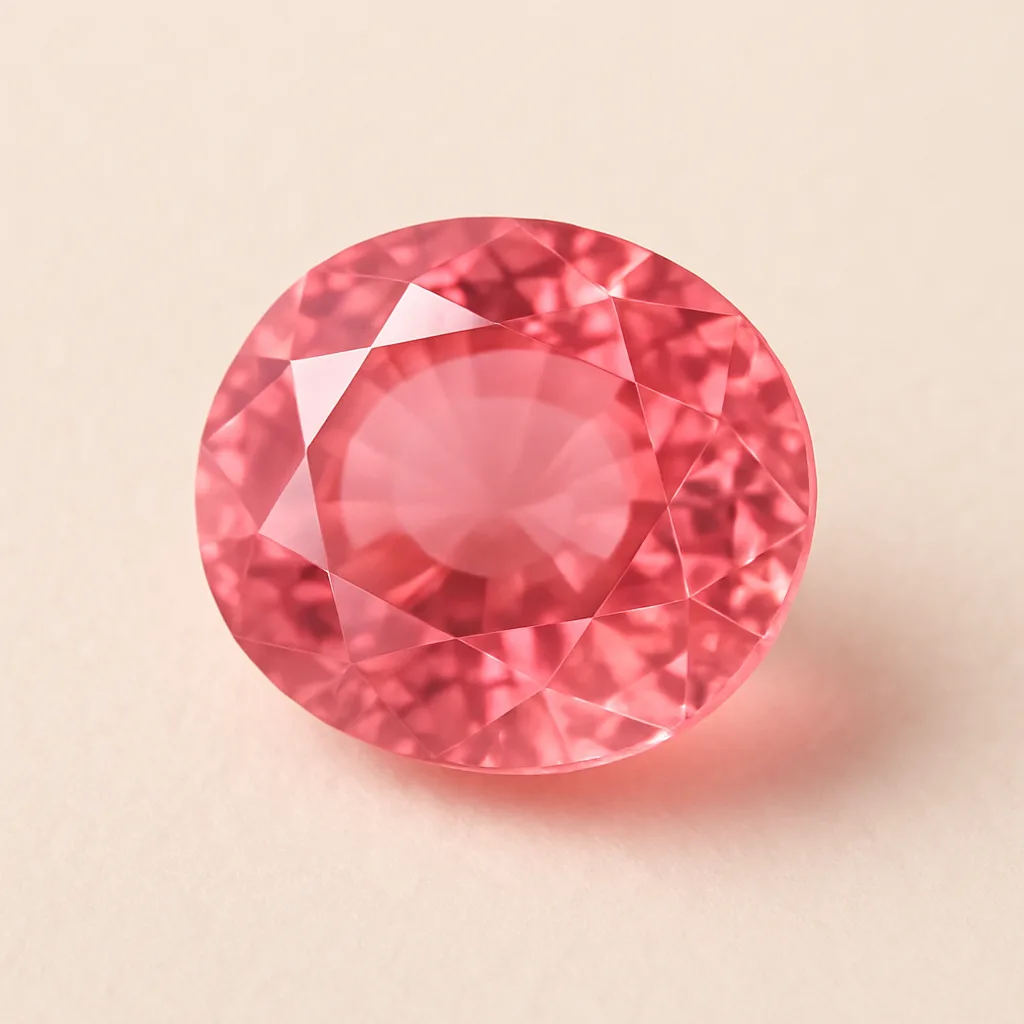
Natural Pink Sapphire
| Hardness | 9 |
| Specific gravity | 4.00 |
| Refractive index | 1.762-1.770 |
| Crystal system | 六方晶系(三方晶系) |
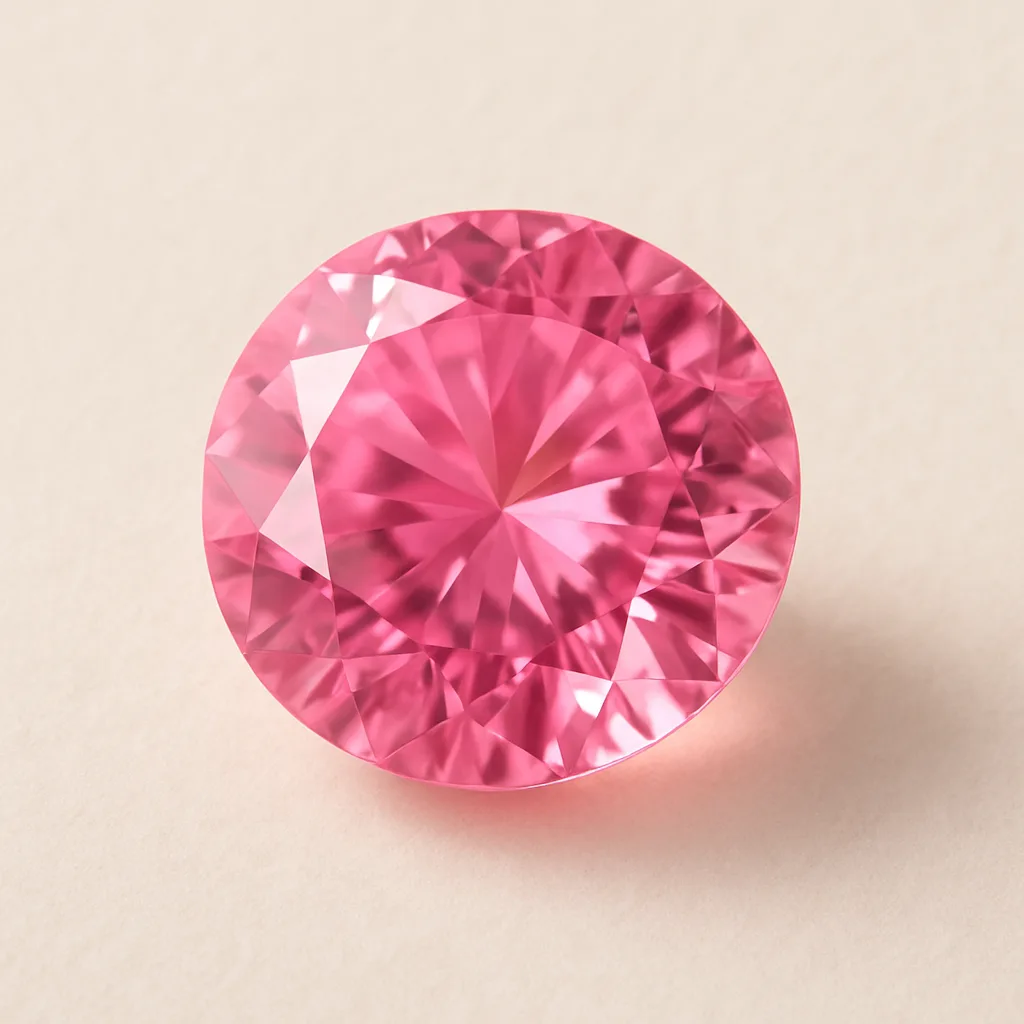
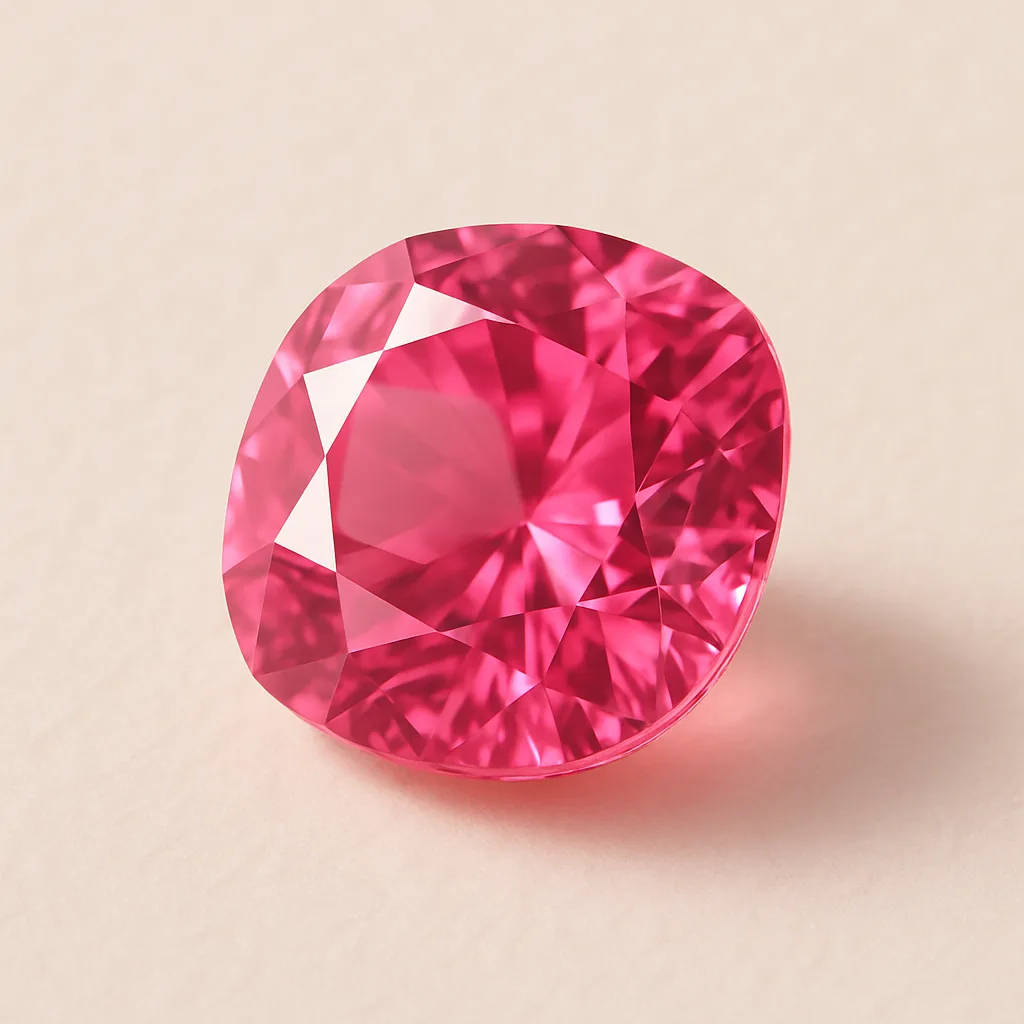
From pale baby pink through cherry-blossom and rose, to vivid hot pink and salmon tones approaching padparadscha. The most prized stones show clean, saturated pink without grey or brown undertones.
- in fine needles, sometimes hexagonally arranged
- nclusions
- Straight or hexagonal color zoning
- nclusions, occasionally with zircon halos
- Doubly refractive, uniaxial negative (subtle )
- Dichroism: pink and pale purplish pink
- 01Natural silk plus weak strongly supports natural origin
- 02 visible at 10× indicate Verneuil synthetic
- 03Round gas bubbles point to glass or flux synthetic
- 04Color concentrated on edges in immersion can indicate beryllium diffusion
- Mohs 9 — excellent daily wear durability
- Ultrasonic and steam are safe unless the stone is fracture-filled or diffusion-treated
- Store away from prolonged direct sunlight as a precaution for any rare unstable color
Roughly $200–$1,000 per carat for commercial Madagascar material, climbing to $5,000–$20,000+ per carat for top vivid pink and unheated Mogok stones.
Note: Heat treatment is standard and accepted in the trade. Beryllium-diffusion treatment to push toward padparadscha tones is a serious value issue and must be disclosed. Stones over 3 carats with unheated lab reports trade at a strong premium.
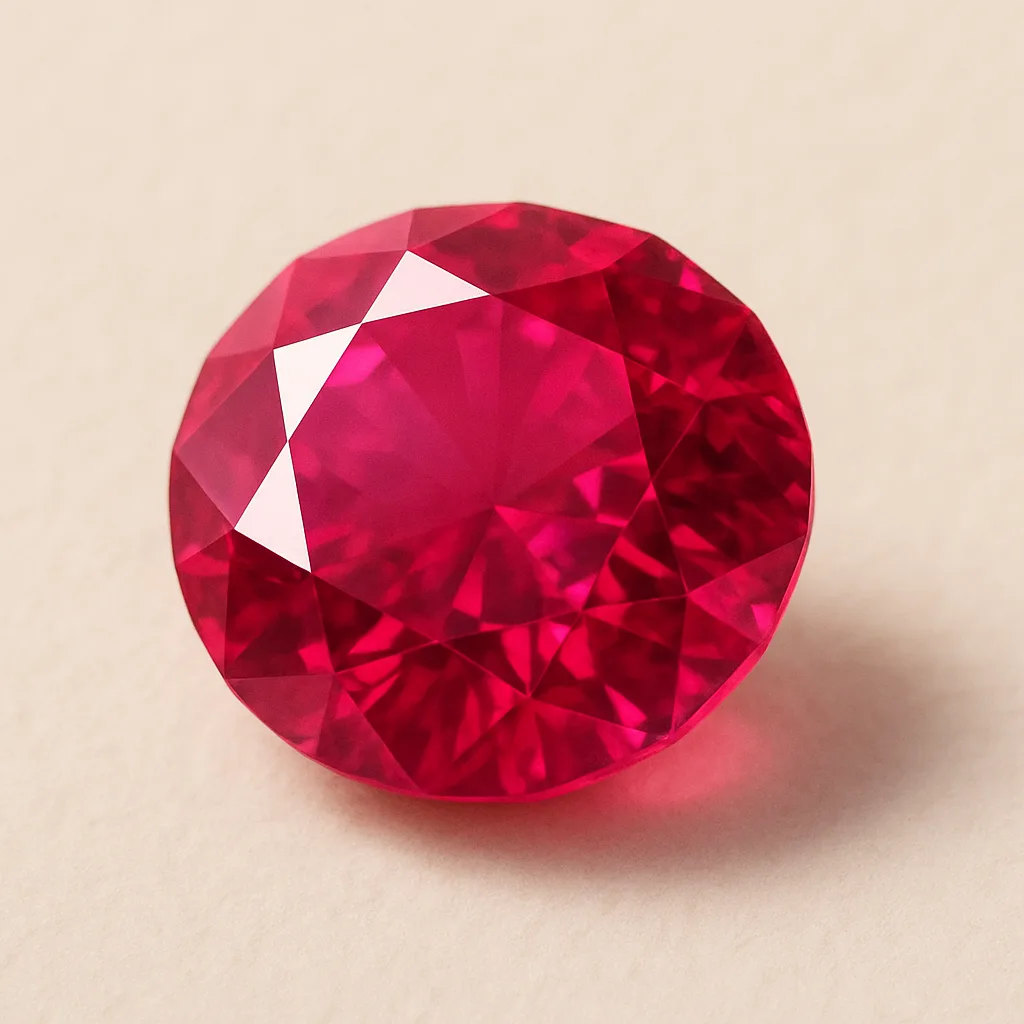
Pink sapphire is corundum (Al₂O₃) with light chromium content. Where the border between 'pink sapphire' and 'ruby' is drawn varies by lab and tradition — GIA leans more permissive toward calling lighter stones pink sapphire, while some Asian labs would classify the same stone as ruby. Sri Lanka, Madagascar, Myanmar, Tanzania, Montana and Vietnam all produce commercial quantities; Madagascar's Ilakaka has dominated supply since 1998.
Origins
Sri Lanka's Ratnapura district yields soft cherry-blossom pinks with a classic 'Ceylon' brightness. Madagascar's Ilakaka, opened in 1998, now drives global supply with vivid hot-pink and pinkish-purple material. Burmese Mogok produces rare, deeply saturated pinks with a slight purple cast. Tanzanian Tunduru, Montana and Vietnam round out the market with steely or slightly violet pinks.
History
For most of the 20th century pink sapphire was dismissed as 'second-rate ruby.' That changed in the late 1990s when Madagascar flooded the market with bright, clean pink material and designers began to feature it as a distinct stone. Princess Eugenie's 2018 engagement ring — a padparadscha-pinkish Sri Lankan center stone — accelerated its move into the engagement market alongside diamond.
Lore & symbolism
September's birthstone alongside blue sapphire. Pink sapphire has come to symbolize compassion, gentle love, and emotional resilience — themes that play well in modern bridal jewelry and gift-giving alike.
Tools to confirm this stone
Tools that help confirm Natural Pink Sapphire. Tap any item to jump to the matching section on the gem tools page.
- 最終確認日
- 2026年4月28日
- 参 考 文 献
- Gem Encyclopedia/ GIA (Gemological Institute of America)
- 宝石鑑別基準/ 中央宝石研究所 (CGL)
- Mineral & Gem Database/ Mindat.org / Gemdat.org
- 宝石学入門/ 全国宝石学協会
本ページの物性値(屈折率・比重・硬度・結晶系等)は、上記の権威ある一次資料を相互参照して編集しています。最新の鑑別研究の進展により値が更新される場合があります。