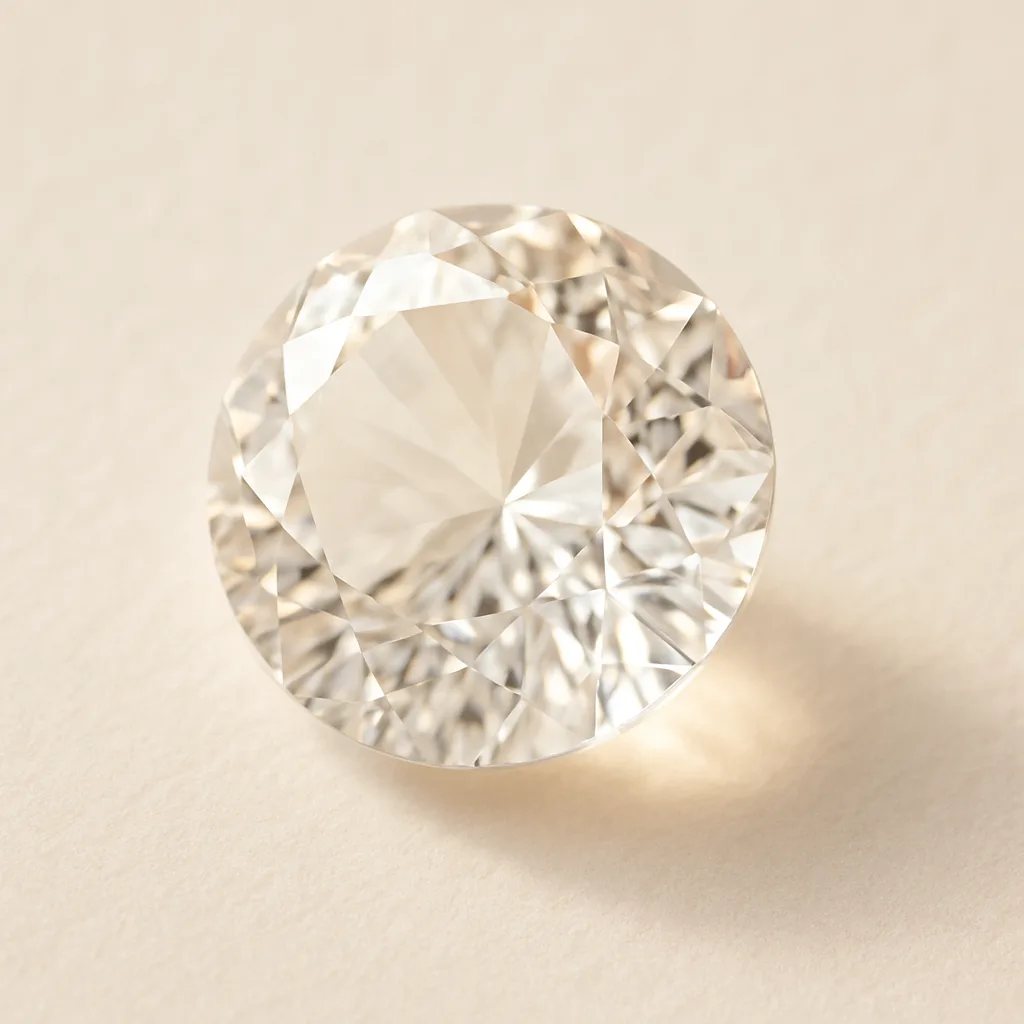
identified this stone yet
Phenakite / Phenacite
| Hardness | 7.5-8 |
| Specific gravity | 2.93-3.00 |
| Refractive index | 1.650-1.670 |
| Crystal system | 三方晶系 |
Colorless, pale yellow, pale pink, and rare pale brown. Most gem phenakite is essentially colorless — color comes from trace iron or manganese.
- nclusions
- Healed fractures with fingerprint patterns
- nclusions (biotite or muscovite, depending on locality)
- nclusions are uncommon
- Doubly refractive, uniaxial positive
- Refractive index 1.654–1.670
- 0.016
- very weak — generally not visible without a dichroscope
- Specific gravity 2.95–3.00
- 01Specific gravity 2.96 and refractive index 1.65–1.67 separate phenakite from quartz (SG 2.65, RI 1.54–1.55) — the original 'deceiver' confusion is settled in seconds with a refractometer
- 02Mohs 7.5–8 — markedly harder than quartz (Mohs 7), gives phenakite a sharper, brighter polish
- 03Doubly refractive with weak but real — visible at 10× in well-oriented stones, absent in glass and CZ imitations
- 04Beryllium chemistry — confirmable by LIBS or EDS analysis for high-value provenance work
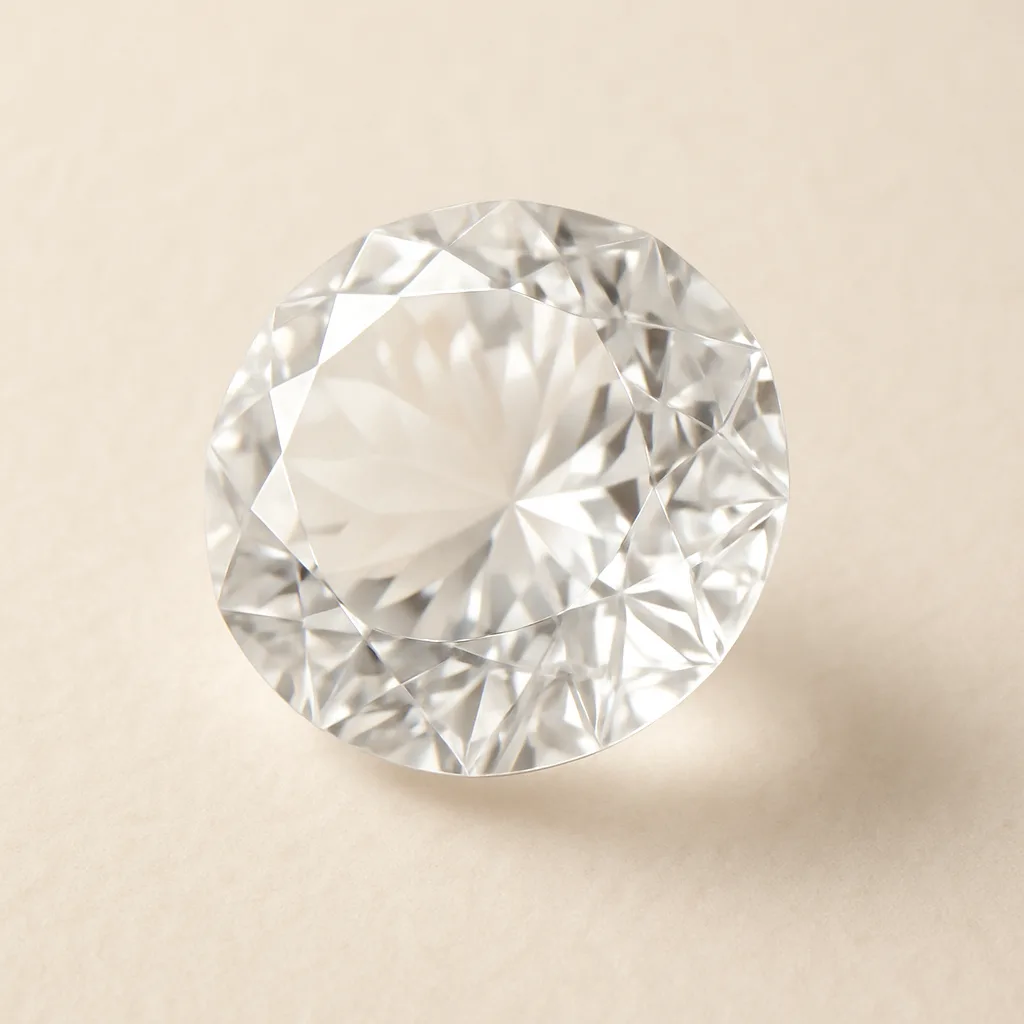
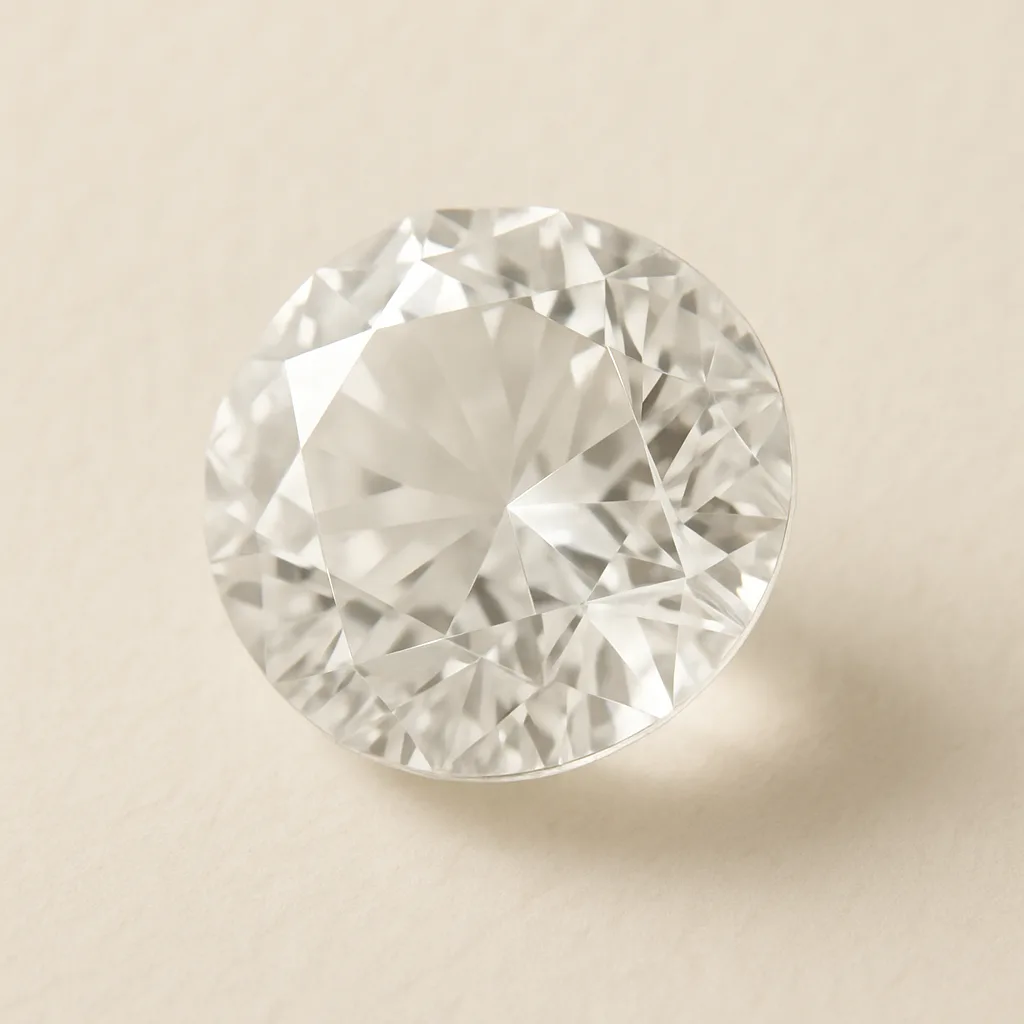
- Mohs 7.5–8 — suitable for daily wear, harder than most colorless substitutes
- Distinct in one direction — avoid hard knocks parallel to the plane
- Ultrasonic and steam cleaning are normally safe for clean material; avoid for stones with visible fractures
Tens of thousands of yen per carat for clean Brazilian or Madagascan material above 1 ct up to several hundred thousand yen per carat for fine Russian Takovaya stones with documented provenance and clarity.
Note: No treatments are applied — phenakite is sold as-cut and the colorless to faintly tinted color is the natural state. Russian Takovaya material with documented provenance commands a substantial premium over Brazilian and Madagascan stones of equivalent quality. Specimens above 10 ct in clean colorless material are uncommon enough that auction prices vary widely.
aceted material in the 1–10 ct range; specimens above 20 ct are major collector pieces.
Origins
aceted material.
History
Phenakite was identified at the Takovaya River emerald-and-beryllium mining district in the central Urals — the same mineralogical region that produced the original Russian emeralds and alexandrites — in the 1830s. Nordenskiöld's 1833 description gave the species its name from the Greek phenax, and the type locality association with the Russian Imperial emerald mines gave phenakite a brief 19th-century vogue among European royal collections. The discovery of large Brazilian crystals in Minas Gerais in the late 19th century moved the commercial focus to South America, and the species has remained a connoisseur-only stone ever since — too rare for mainstream jewelry, too durable to be only a mineral specimen.
Lore & symbolism
Phenakite has no classical lore — the species was identified too late for medieval lapidary tradition. Modern New Age writing associates the stone with 'high vibration,' connection to spiritual realms, and use in crystal healing meditations — claims that emerged in the late 20th-century American metaphysical literature and have no historical basis.
Tools to confirm this stone
Tools that help confirm Phenakite / Phenacite. Tap any item to jump to the matching section on the gem tools page.
- 最終確認日
- 2026年4月28日
- 参 考 文 献
- Gem Encyclopedia/ GIA (Gemological Institute of America)
- 宝石鑑別基準/ 中央宝石研究所 (CGL)
- Mineral & Gem Database/ Mindat.org / Gemdat.org
- 宝石学入門/ 全国宝石学協会
本ページの物性値(屈折率・比重・硬度・結晶系等)は、上記の権威ある一次資料を相互参照して編集しています。最新の鑑別研究の進展により値が更新される場合があります。