identified this stone yet
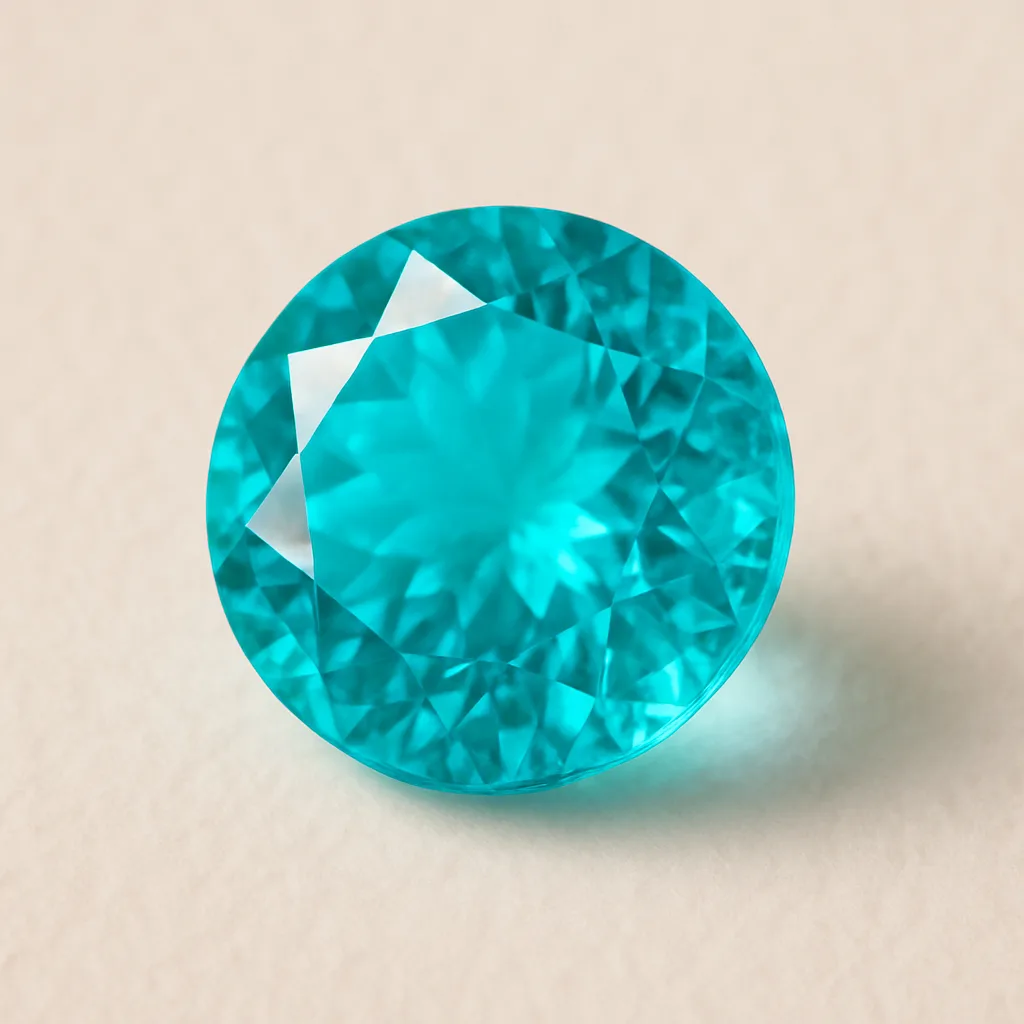
Paraiba Tourmaline
| Hardness | 7-7.5 |
| Specific gravity | 3.10 |
| Refractive index | 1.620-1.650 |
| Crystal system | 六方晶系(三方晶系) |
The signature 'electric' or 'neon' blue-green to turquoise, sometimes pure neon blue, sometimes leaning greener. The hallmark is a fluorescent-looking glow that no other tourmaline shows.
- nclusions
- Fine needle-like growth tubes parallel to the c-axis
- Hairline fractures and partially healed fingerprints
- Doubly refractive with clearly visible at 10×
- Strong dichroism: neon blue-green and pale green
- 01The 'glowing' quality of the color is the single best Paraíba cue — no other tourmaline does this
- 02Copper detection by EDXRF in a gem lab confirms Paraíba family membership
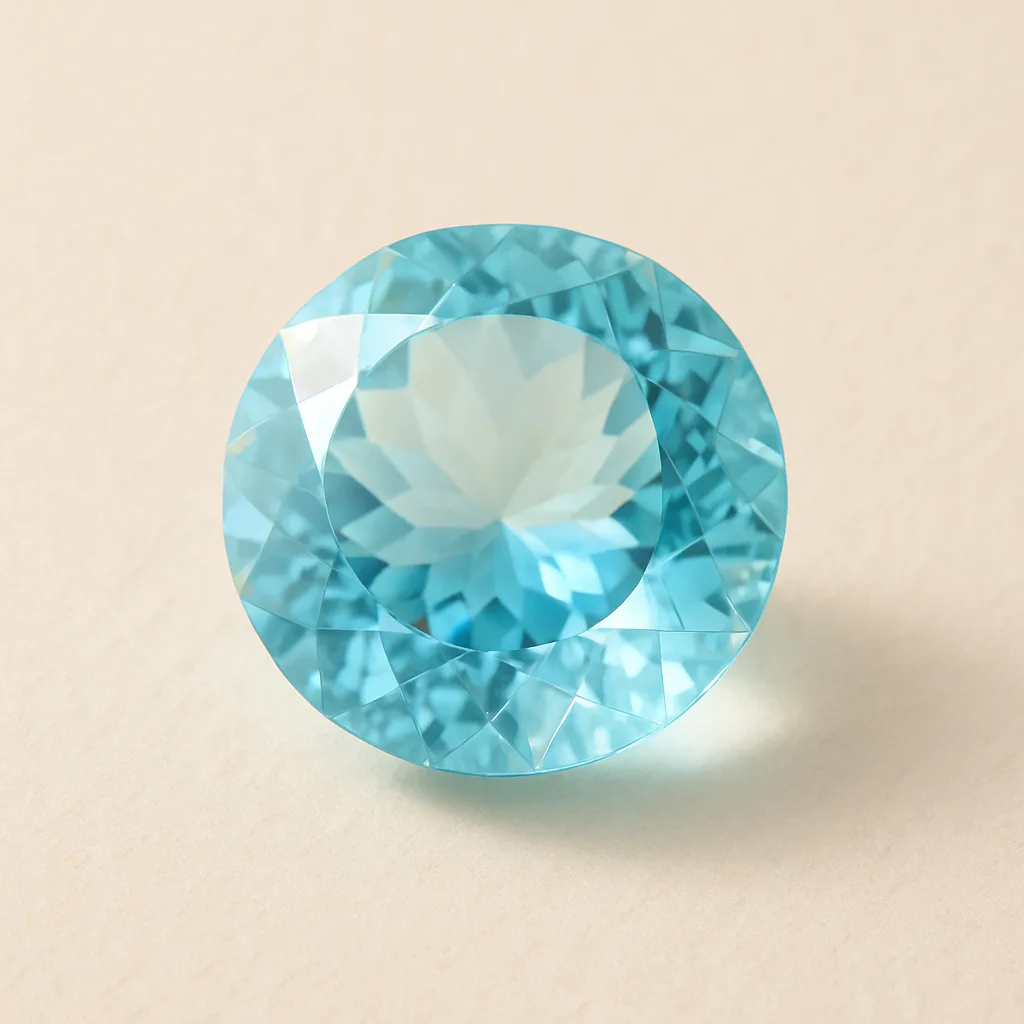
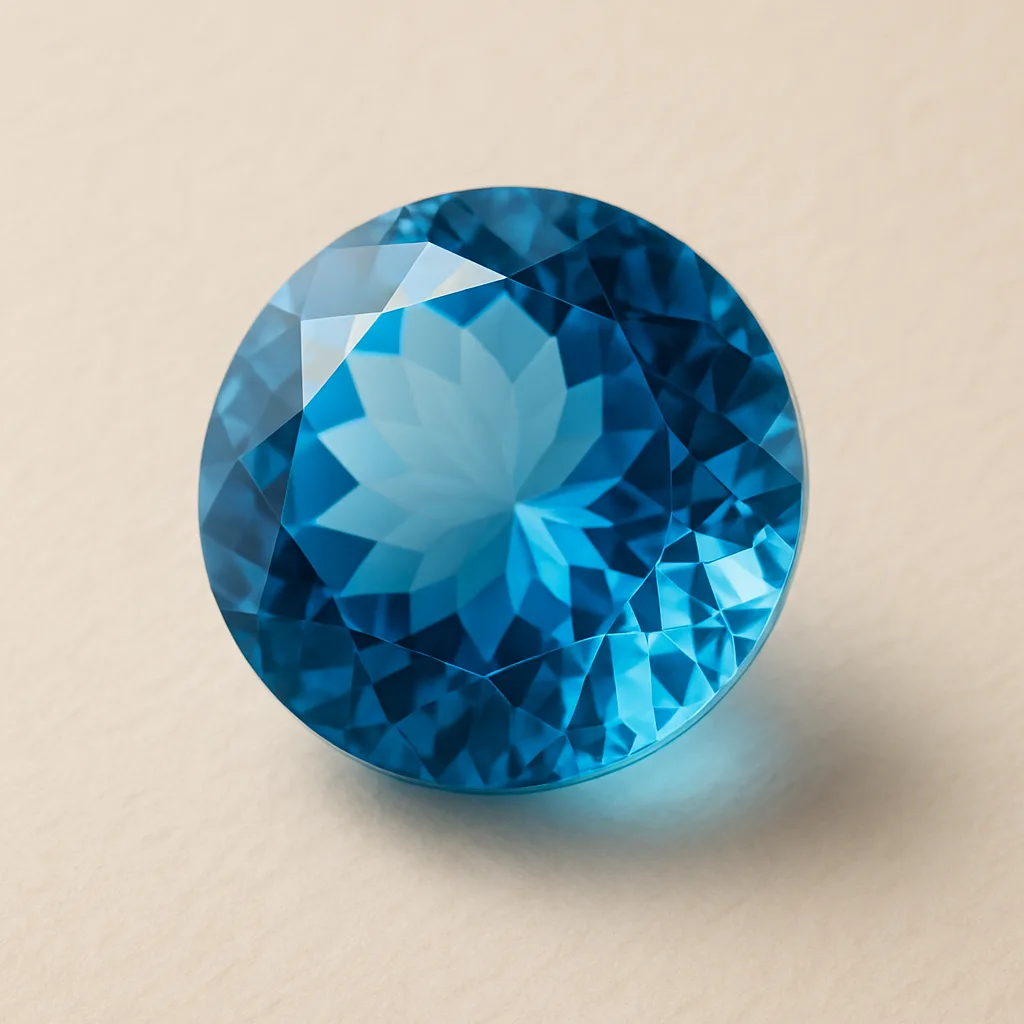
- 03Strong separates it from singly refractive blue stones (spinel, glass, synthetic blue corundum)
- Mohs 7–7.5 — durable enough for daily wear in a protective setting
- nclusions that can rupture
- Use lukewarm soapy water and a soft brush
Roughly $3,000–$10,000 per carat for commercial Mozambique stones, $20,000–$50,000+ per carat for fine Brazilian material, and over $100,000 per carat for top unheated Batalha stones at auction.
Note: Origin determination matters enormously: Brazilian material commands a multiple over Mozambique or Nigerian stones of the same color. Always require a reputable lab report stating both origin and treatment status for any high-value purchase. Heat treatment is common and disclosed.
Paraíba tourmaline is an elbaite where copper (and sometimes manganese) produces an unmistakable glowing neon blue to greenish-blue. It is a member of the tourmaline group but is priced and graded apart from all other tourmalines. The 1989 discovery in Paraíba state, Brazil, was followed by similar copper-bearing deposits in Nigeria (2001) and Mozambique (2005), and LMHC has since approved the trade name 'Paraíba-type' for all three sources.
Origins
Brazil's Batalha mine in Paraíba state produced the original, most saturated material — now nearly mined out and the most expensive per carat. The neighbouring Rio Grande do Norte state still supplies a trickle of Brazilian-source stones. Nigeria came online in 2001, and Mozambique opened the largest modern deposit in 2005 — Mozambique stones tend to be cleaner and larger but slightly less neon.
History
Heitor Dimas Barbosa spent over a decade prospecting hills in Paraíba state on a hunch that something extraordinary was buried there. His 1989 discovery of copper-bearing tourmaline shocked the trade — prices jumped from a few thousand dollars per carat to tens of thousands within a year. The stone remains one of the great modern discovery stories in gemology.
Lore & symbolism
Paraíba has no traditional birthstone or zodiac association — it is too new. In modern lore it has come to symbolise vision, breakthroughs, and creative courage, fitting its discovery story.
Tools to confirm this stone
Tools that help confirm Paraiba Tourmaline. Tap any item to jump to the matching section on the gem tools page.
- 最終確認日
- 2026年4月28日
- 参 考 文 献
- Gem Encyclopedia/ GIA (Gemological Institute of America)
- 宝石鑑別基準/ 中央宝石研究所 (CGL)
- Mineral & Gem Database/ Mindat.org / Gemdat.org
- 宝石学入門/ 全国宝石学協会
本ページの物性値(屈折率・比重・硬度・結晶系等)は、上記の権威ある一次資料を相互参照して編集しています。最新の鑑別研究の進展により値が更新される場合があります。