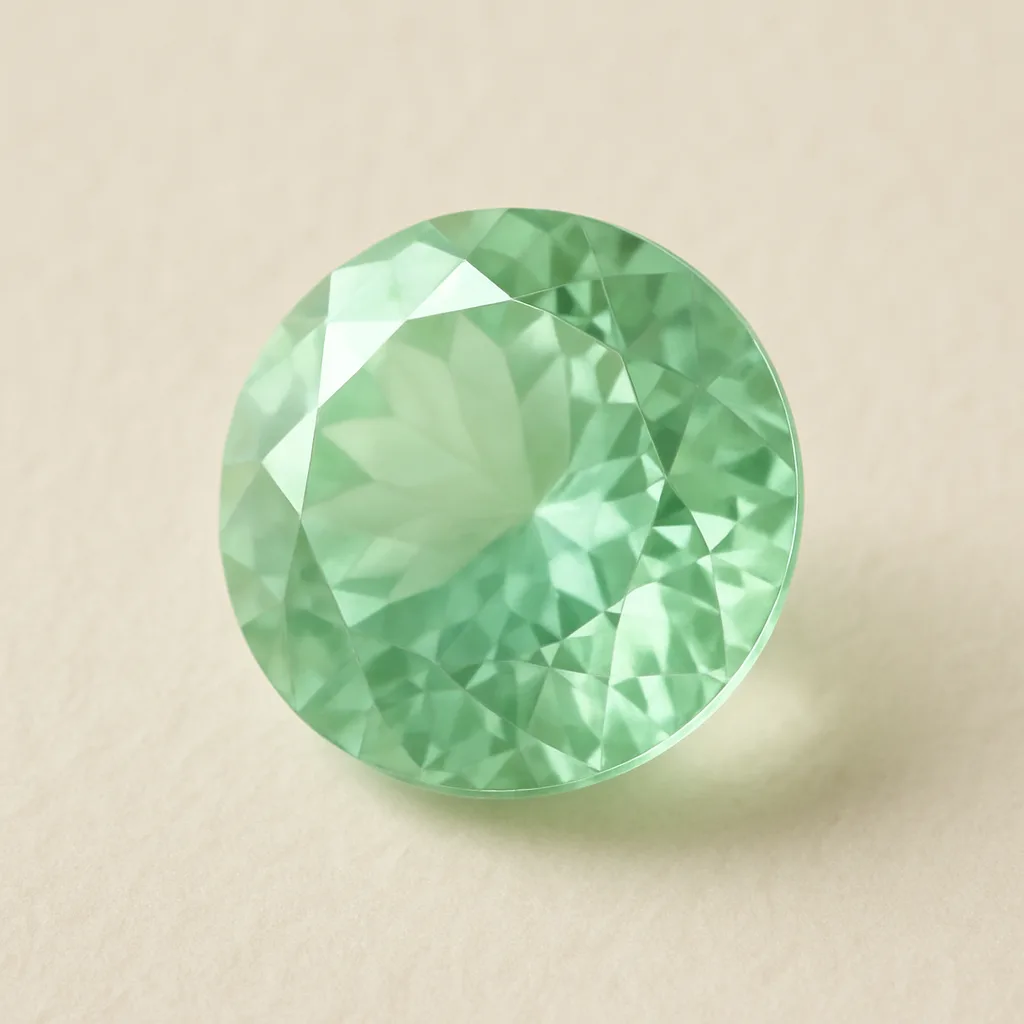
identified this stone yet
Grossular Garnet
| Hardness | 6.5-7.5 |
| Specific gravity | 3.57-3.73 |
| Refractive index | 1.734-1.759 |
| Crystal system | 等軸晶系 |
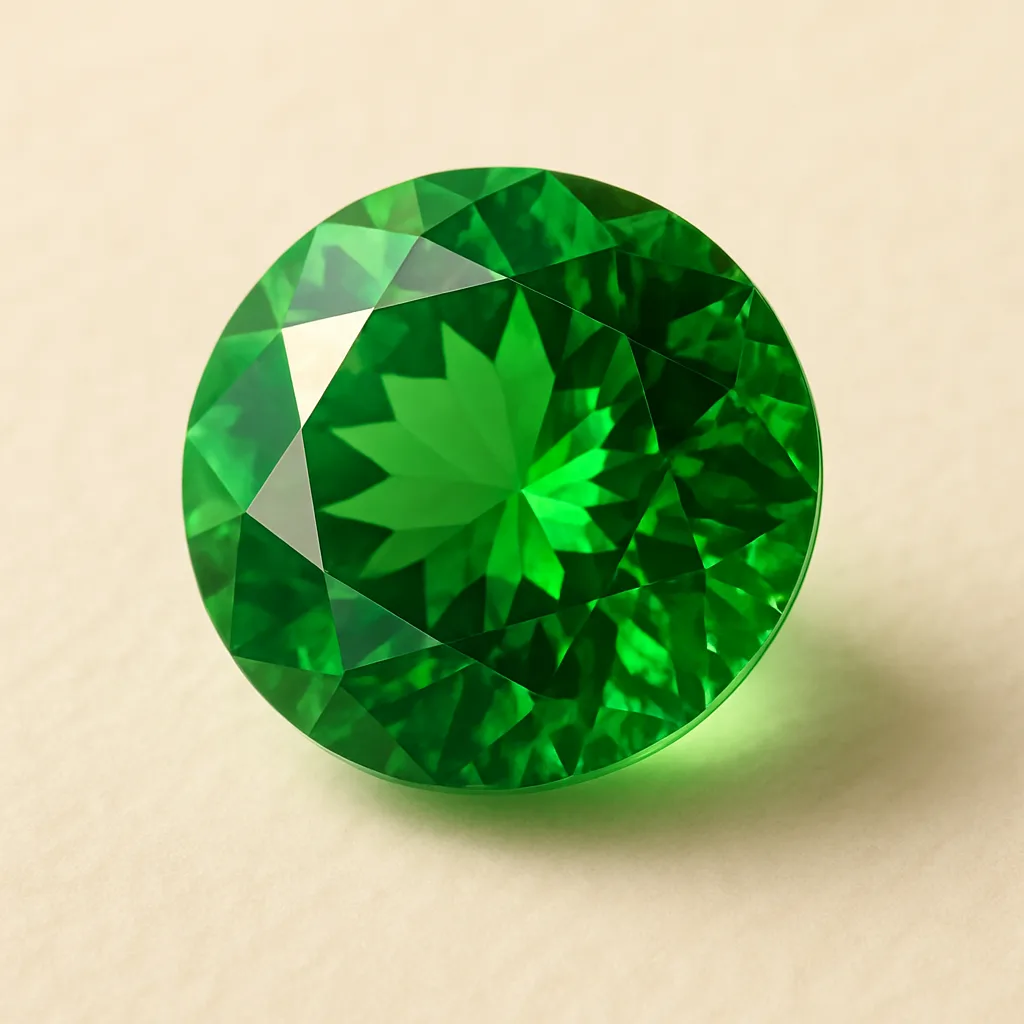
Colorless, pale yellow-green, mint green, yellow, peach, and pale pink. Saturated chromium-vanadium grossulars are sold as tsavorite (separate variety); iron-rich orange-brown material is hessonite.
- Generally clean — high transparency is a defining feature
- nclusions
- nclusions
- Singly refractive (cubic system) — no
- No
- Refractive index 1.740 (Merelani Mint slightly lower at ~1.733)
- Specific gravity 3.40–3.71
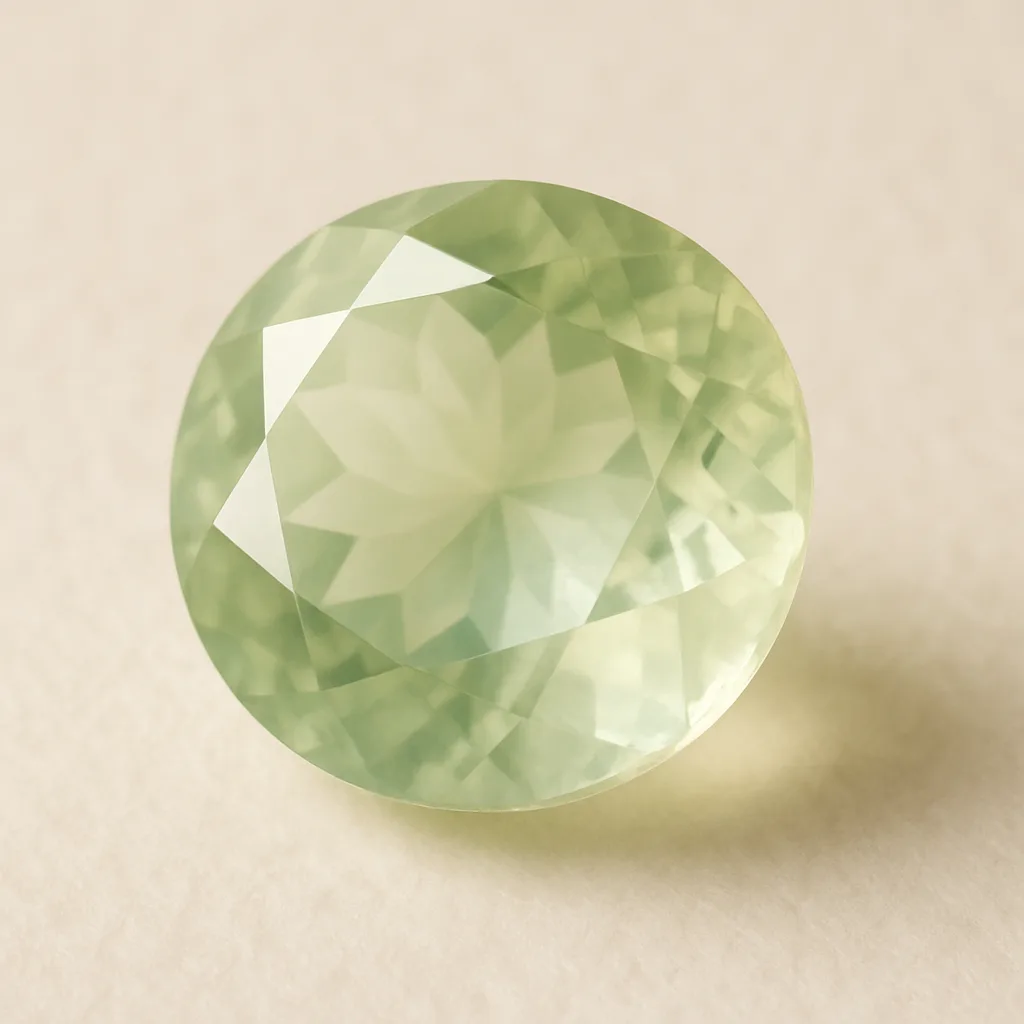
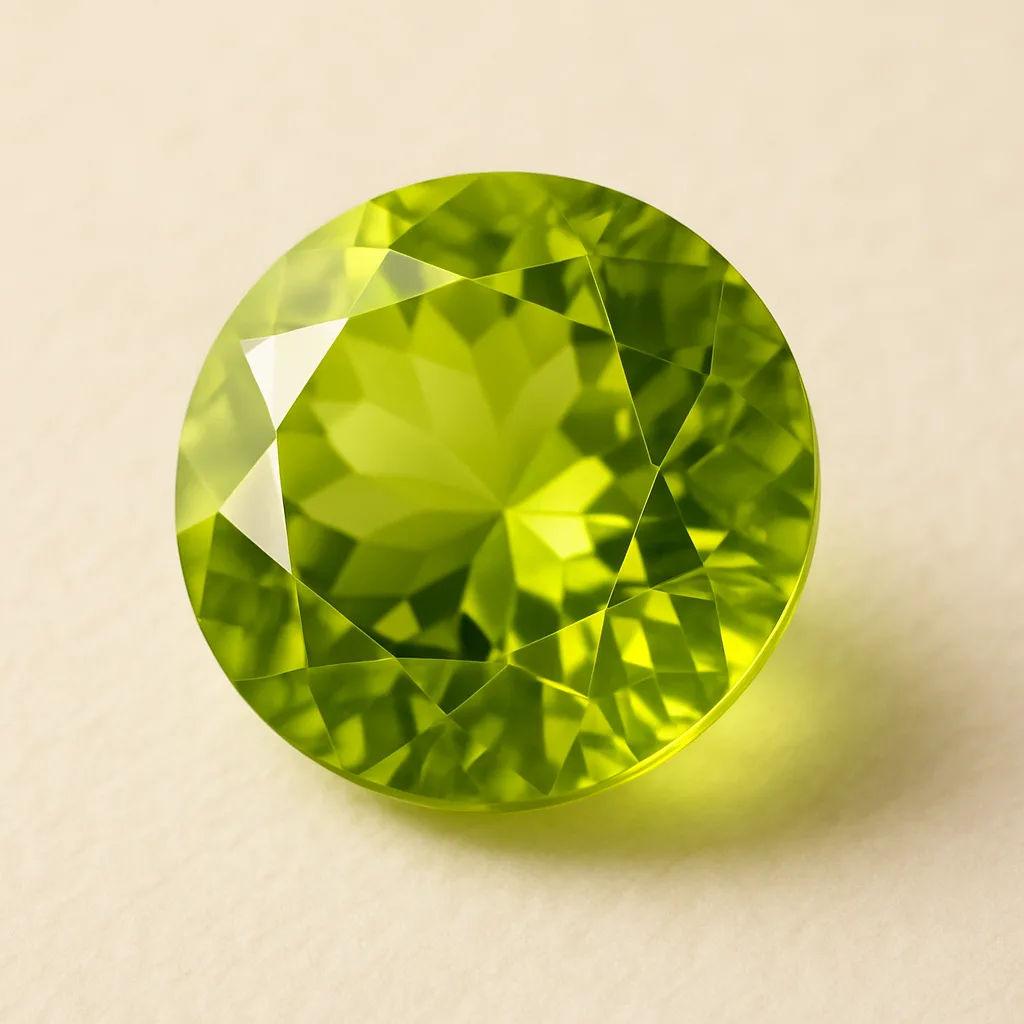
- 01Refractive index near 1.74 — distinguishes from prehnite (1.62) and peridot (1.66) at a single refractometer reading
- 02Singly refractive — no rules out peridot and tourmaline
- 03nclusions are diagnostic
- 04Mint-green tone with high transparency points to Merelani
- Mohs 6.5–7.5 — suitable for daily wear
- Ultrasonic cleaning is normally safe
- Avoid sudden temperature changes — fracturing risk in heavily included material
A few thousand yen per carat for ordinary pale grossular up to several tens of thousands of yen per carat for top-color mint or hessonite stones above 5 ct.
Note: Merelani Mint grossular and Tanzanian tsavorite dominate the high-grade market; Kenyan, Madagascar, and Pakistani material supplies the rest. Hessonite — the orange-cinnamon variety — has its own market traditionally driven by Sri Lankan and Indian production, where it is the Vedic astrological gem for the lunar node Rahu.
Grossular garnet is calcium-aluminum garnet, Ca₃Al₂(SiO₄)₃, named in 1811 by the German mineralogist Abraham Gottlob Werner for the gooseberry (Ribes grossularia) whose pale yellow-green color it matches. Pure grossular is colorless to pale yellow; chromium and vanadium impurities at higher concentrations produce the saturated green of tsavorite, while iron and manganese give the warm cinnamon tones of hessonite. The pale mint variety from the Merelani Hills of Tanzania — marketed by Tiffany & Co. as 'Merelani Mint' — has become one of the most popular gem grossulars on the modern market.
Origins
The Merelani Hills near Arusha in northern Tanzania supply the modern world's iconic mint-green grossular and most of the green tsavorite. The Jeffrey Mine in Asbestos, Quebec, produced the colorless 'leucogarnet' material from the 1880s through the mine's closure in 2011. Kenya's Tsavo National Park area (the type locality for tsavorite), Mexico's Coahuila and Chihuahua states, the central Russian Urals (Werner's type locality at the Vilyui River), Pakistan (Skardu), and Sri Lanka all produce commercial grossular.
History
Werner described grossular in 1811 from Vilyui River specimens in eastern Siberia, naming the species for its resemblance to the gooseberry. Through the 19th and most of the 20th century, grossular was a mineralogical curiosity rather than a major gem — hessonite (the orange-brown variety from Sri Lanka) was the most commercial grade. Campbell Bridges' 1967 discovery of chromium-bearing grossular at Lemshuko in Tanzania, which Tiffany & Co. marketed worldwide as 'tsavorite' from 1974 onward, transformed the family into one of the most important modern colored-stone categories. The mint-green Merelani material followed in the 1990s.
Lore & symbolism
January birthstone, alongside the other garnet varieties, and the 2nd-anniversary stone. In modern lapidary culture associated with growth, abundance, and fresh starts — the 'first leaf of spring' rendered in stone.
Tools to confirm this stone
Tools that help confirm Grossular Garnet. Tap any item to jump to the matching section on the gem tools page.
- Last reviewed
- April 28, 2026
- Bibliography
- Gem Encyclopedia / GIA (Gemological Institute of America)
- Gem Identification Standards / Central Gem Laboratory (CGL), Tokyo
- Mineral & Gem Database / Mindat.org / Gemdat.org
- Introduction to Gemology / Gemmological Association of All Japan (GAAJ)
The gemological data on this page (refractive index, specific gravity, hardness, crystal system, etc.) is cross-checked against the authoritative primary sources listed above. Values may be revised as gemological research advances.