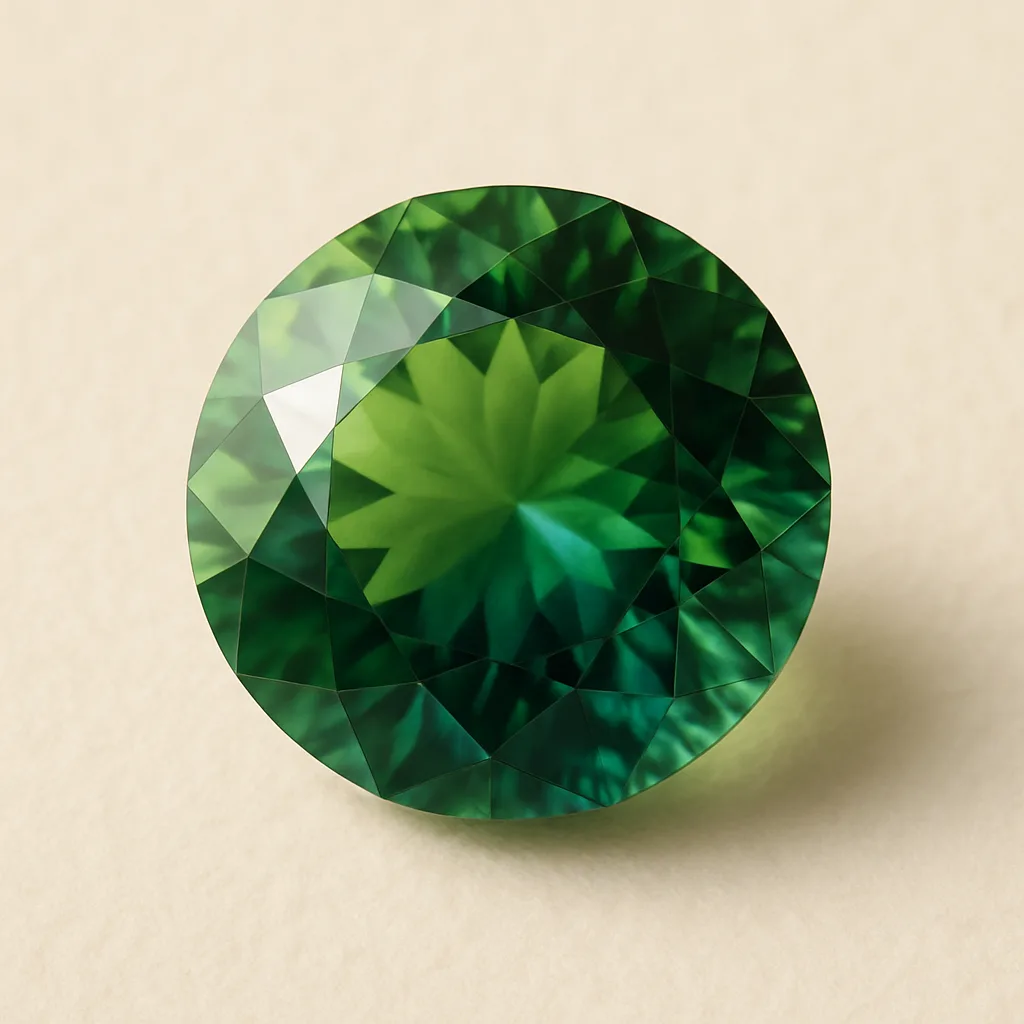
identified this stone yet
Green Tourmaline
| Hardness | 7-7.5 |
| Specific gravity | 3.06 |
| Refractive index | 1.624-1.644 |
| Crystal system | 六方晶系(三方晶系) |
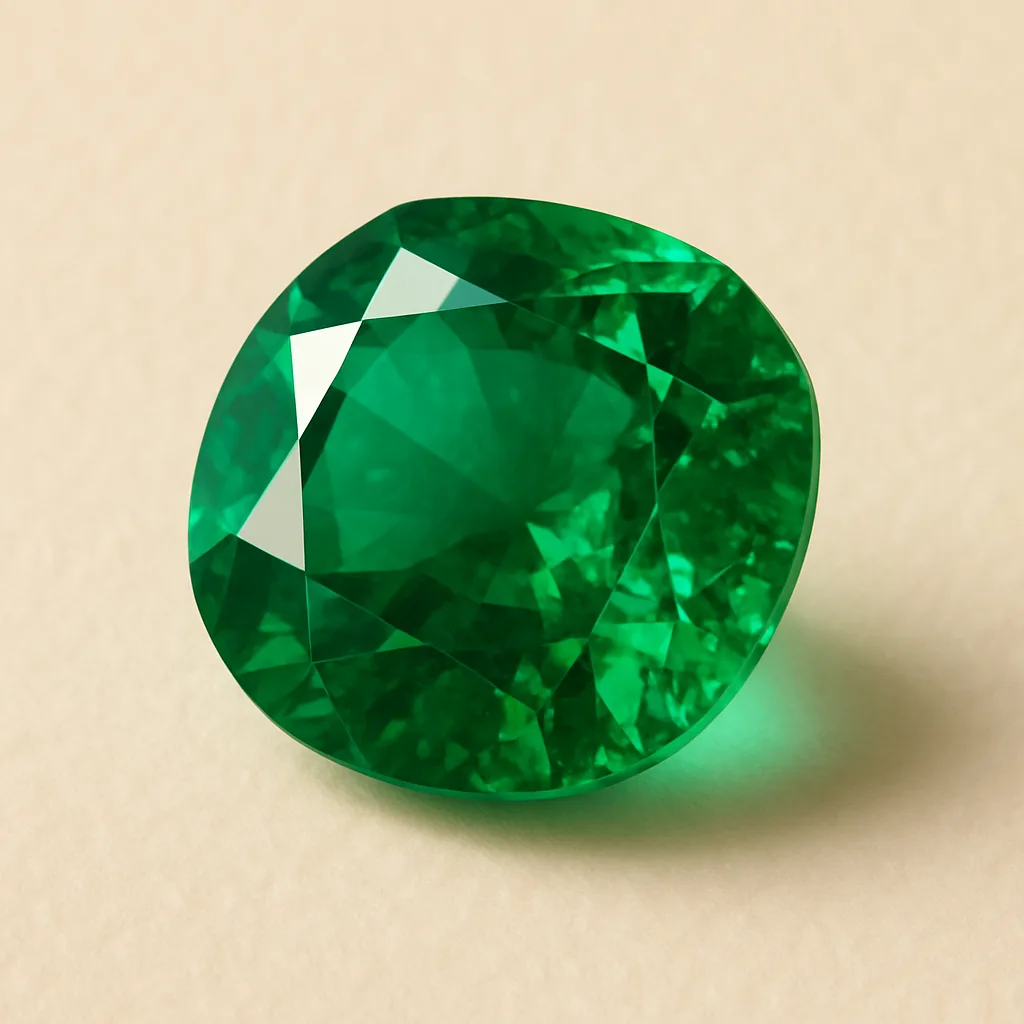
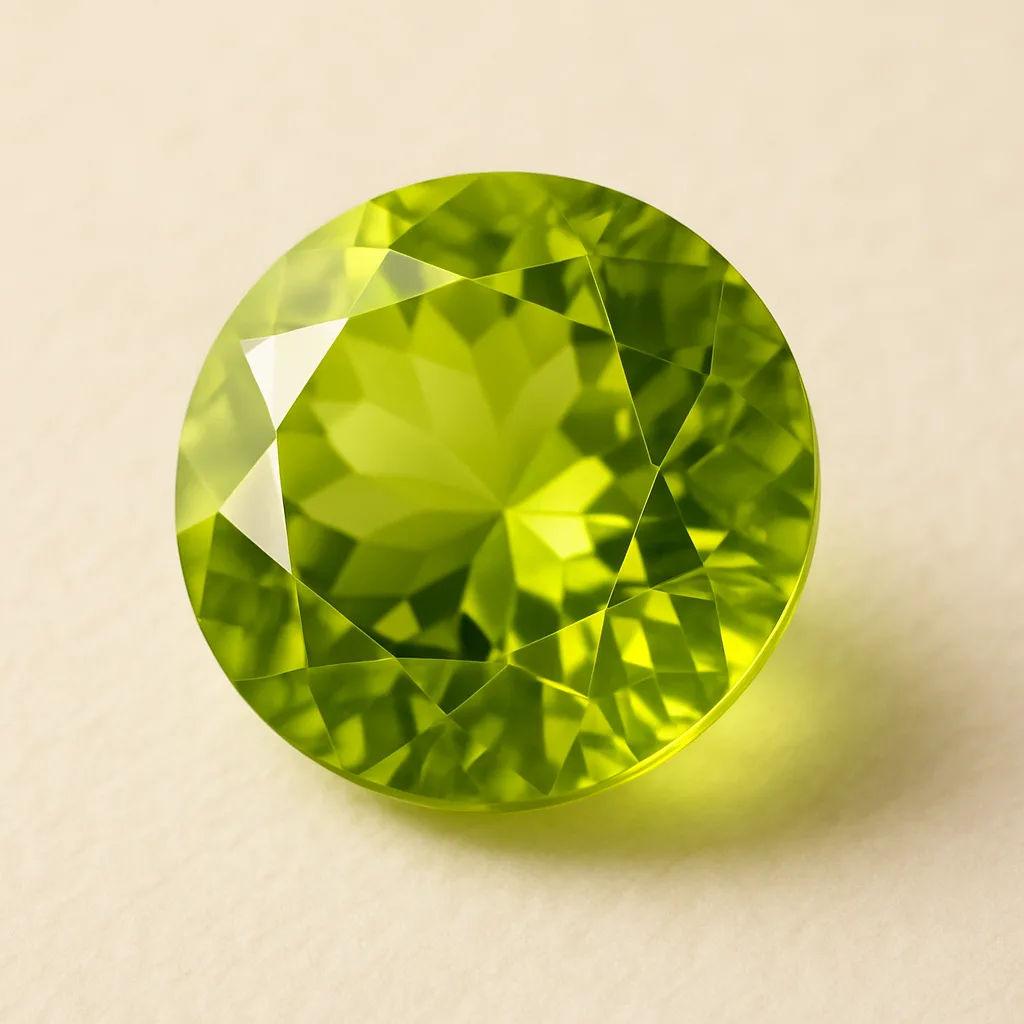
Yellow-green, grass-green, deep emerald-green, and bluish-green. Iron is the dominant chromophore; chromium and vanadium produce the most saturated greens (chrome tourmaline).
- nclusions of tourmaline
- egative crystals
- Healed fractures with fingerprint patterns
- Black needles of included iron oxides in dark green stones
- Doubly refractive, uniaxial negative
- Refractive index 1.624–1.644
- 0.018
- strong — deep green parallel to the c-axis and yellowish-green or paler green perpendicular
- Specific gravity 3.04–3.10
- 01Parallel hollow tubes visible at 10× are diagnostic for the tourmaline group
- 02Strong — the c-axis end of a crystal often looks almost opaque while the perpendicular direction transmits light freely
- 03Refractive index 1.62–1.64 separates green tourmaline from emerald (1.57–1.59), tsavorite (1.74), and chrome diopside (1.66–1.72)
- 04Chrome and vanadium-colored stones turn pinkish-red through the Chelsea filter; iron-dominant stones stay green or go inert
- Mohs 7–7.5 — suitable for daily wear with normal care
- Avoid ultrasonic and steam cleaning — included tubes and liquid pockets can fracture under thermal shock
- Pyroelectric — the stone develops a static charge when heated and attracts dust readily
A few thousand to twenty thousand yen per carat for iron-green Brazilian material up to over a hundred thousand yen per carat for chrome tourmaline in fine emerald-green color above 2 ct.
Note: Heat treatment is occasionally used to lighten dark stones or to remove a brownish modifier — disclosed but not universal. Chrome and vanadium-colored stones command a substantial premium over iron-colored material. The trade carefully distinguishes 'green tourmaline' (iron-dominant) from 'chrome tourmaline' (chromium-vanadium-dominant) by spectroscopic analysis.
Green tourmaline, traditionally called verdelite in the trade, is the iron-colored to chromium-colored green variety of elbaite (Na(Li,Al)₃Al₆(BO₃)₃Si₆O₁₈(OH)₄) — a complex boron-aluminum silicate of the tourmaline supergroup. Iron is the dominant chromophore in most material, producing yellow-green to bottle-green tones; chromium and vanadium produce the most saturated emerald-green color and are characteristic of African 'chrome tourmaline' from the Umba and Merelani regions of Tanzania and from Kenya. The trade name verdelite was coined in 19th-century Brazil from Portuguese verde ('green') and the -lite suffix common in mineral names. Strong nclusions, and the brittleness characteristic of all tourmaline define the species.
Origins
Brazil (Minas Gerais — Cruzeiro, Itatiaia, and Salinas mines) is the largest producer of commercial-grade green tourmaline. Tanzania's Umba Valley and Merelani Hills yield the most saturated chrome and vanadium tourmalines, sometimes called 'chrome tourmaline' in the trade. Afghanistan's Nuristan and Kunar provinces and Pakistan's Mardan district produce fine yellow-green to grass-green crystals. Mozambique, Madagascar, and Namibia contribute additional supply. The Maine mines (Mount Mica, Newry) and California's Pala District produced fine green material historically but production is now intermittent.
History
Green tourmaline entered the European gem trade in the late 17th century when Dutch traders brought Sri Lankan material back from Ceylon — the name tourmaline derives from the Sinhalese turamali ('mixed gem'), recorded in the 1703 Dutch East India Company correspondence. The Brazilian Cruzeiro mine has produced green tourmaline since the 18th century, and the discovery of chrome tourmaline in the Umba Valley in 1970 by Campbell Bridges (the same prospector who would later identify tsavorite garnet) opened a new market for saturated 'emerald-substitute' greens. Tiffany & Co. and Cartier marketed Brazilian and African green tourmaline through the early 20th century as an alternative to emerald with better durability and clarity.
Lore & symbolism
October birthstone (modern list, 1952) via the broader tourmaline designation. Pierre and Jacques Curie's 1880 discovery of piezoelectricity in tourmaline gave the family scientific importance well beyond its gem use — a green tourmaline crystal can develop a measurable electric potential under pressure or temperature change.
Tools to confirm this stone
Tools that help confirm Green Tourmaline. Tap any item to jump to the matching section on the gem tools page.
- 最終確認日
- 2026年4月28日
- 参 考 文 献
- Gem Encyclopedia/ GIA (Gemological Institute of America)
- 宝石鑑別基準/ 中央宝石研究所 (CGL)
- Mineral & Gem Database/ Mindat.org / Gemdat.org
- 宝石学入門/ 全国宝石学協会
本ページの物性値(屈折率・比重・硬度・結晶系等)は、上記の権威ある一次資料を相互参照して編集しています。最新の鑑別研究の進展により値が更新される場合があります。