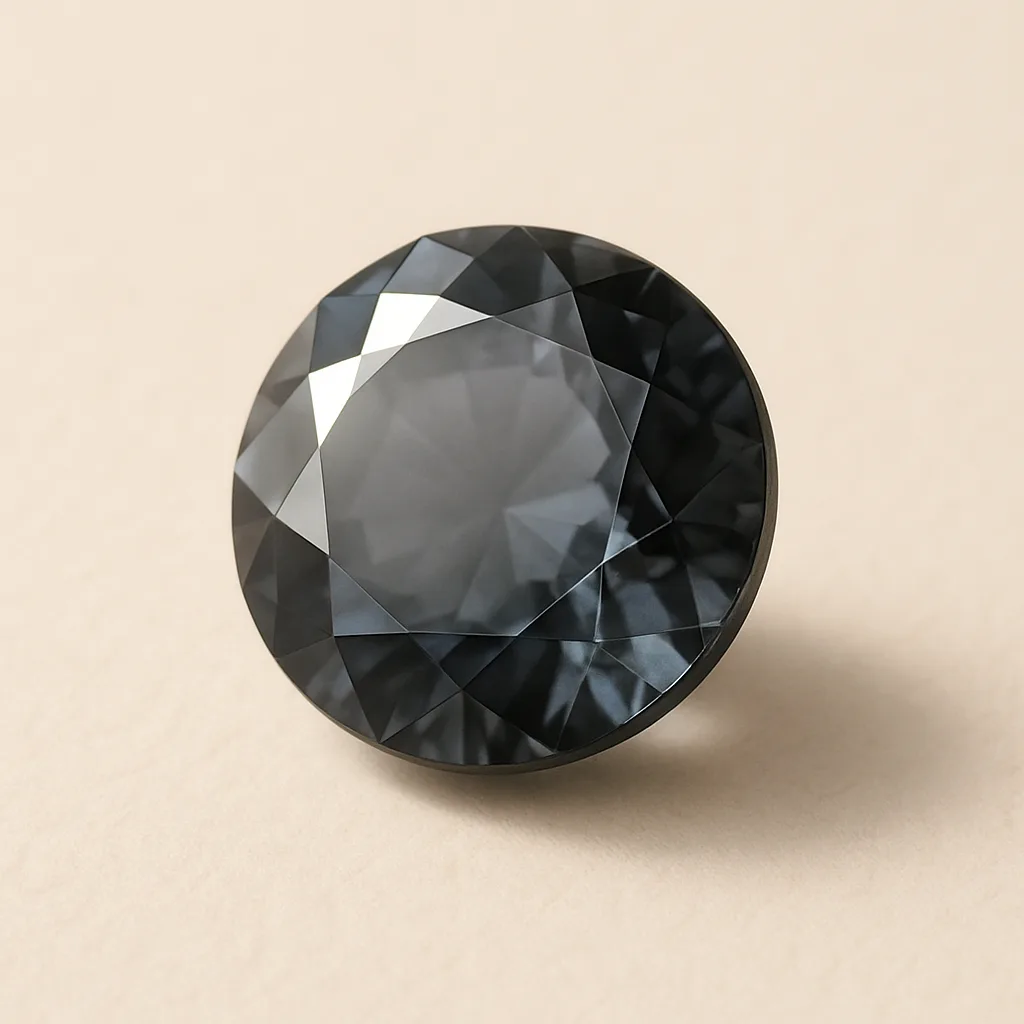
identified this stone yet
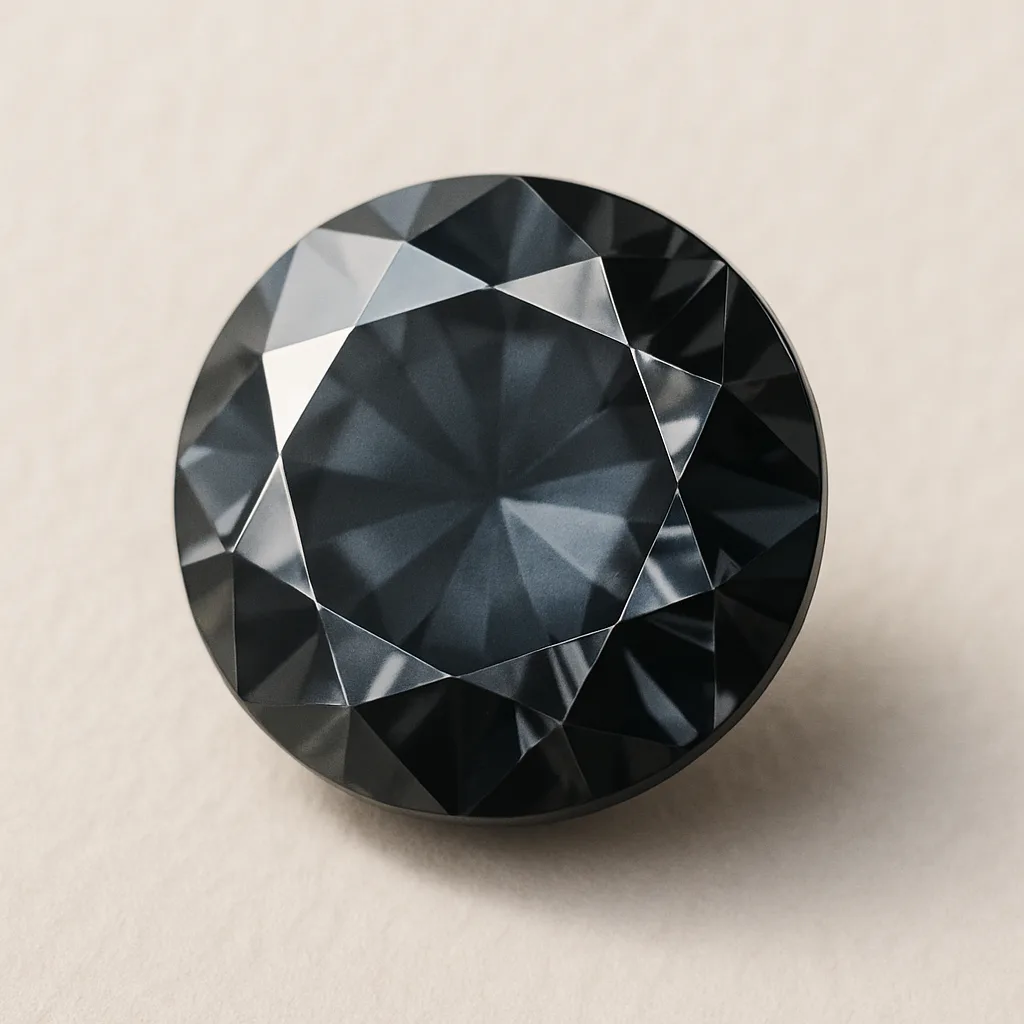
Gray Sapphire
| Hardness | 9 |
| Specific gravity | 3.95-4.03 |
| Refractive index | 1.762-1.770 |
| Crystal system | 六方晶系(三方晶系) |
Pale silver through steel gray, smoke gray, and platinum gray. The most prized tones — sometimes called 'cornflower steel' or 'Yogo silver' — show a faint blue undertone.
- — the natural-corundum signature
- Hexagonal color zoning
- nclusions than other sapphire sources
- Uniaxial negative
- Weak visible only at high magnification
- Weak dichroism
- Adamantine luster
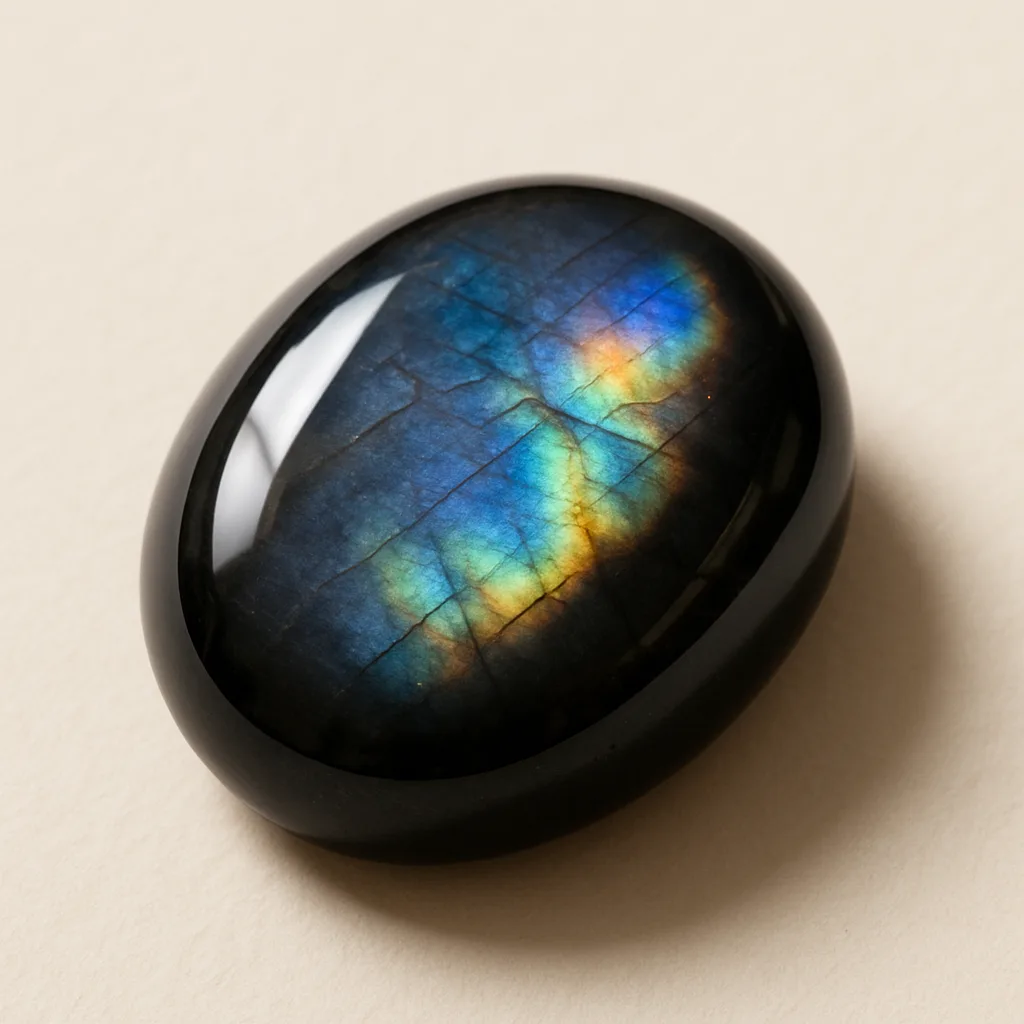
- 01Uniform neutral gray with no optical phenomena (no , no adularescence)
- 02Mohs 9 — distinctly harder than gray spinel (Mohs 8) or labradorite (Mohs 6)
- 03Refractometer reading 1.762–1.770 (uniaxial negative) confirms corundum over spinel (single 1.71–1.73)
- 04Weak at very high magnification — visible rules out singly refractive imitations
- Mohs 9 with no — safe for daily wear in any setting
- Ultrasonic and steam cleaning are normally safe
- Stable to light, heat, and ordinary chemicals
A few thousand yen per carat for ordinary commercial material up to several tens of thousands of yen per carat for top-grade Yogo or Sri Lankan stones with clean color.
Note: Sri Lankan and Madagascar material dominate by volume; Montana Yogo sapphires remain the connoisseur's choice and command a strong premium. Most gray sapphire on the market is unheated, since heat treatment tends to push the color toward blue.
Gray sapphire is corundum colored by iron and titanium in proportions that produce a neutral steel or smoky tone rather than the more familiar blue. The same Fe-Ti charge-transfer mechanism that drives blue sapphire color also drives gray when the balance shifts toward iron-dominance, or when the titanium content is too low to develop full blue. The modern minimal-bridal market — Catbird in Brooklyn, Mejuri in Toronto, and similar studio jewelers from about 2015 onward — has made gray sapphire one of the fastest-growing alternative-engagement-ring stones in the world.
Origins
Yogo Gulch in Montana produces the most distinguished American material — a fine, steely cornflower-tinged gray with no need for . Ratnapura in Sri Lanka, Ilakaka in Madagascar (a 1998 alluvial boom that briefly made Madagascar the world's largest sapphire producer), and the Umba Valley in Tanzania round out the modern commercial sources. Sri Lankan material is typically the lightest and brightest; Madagascar tends toward smokier tones.
History
Tiffany & Co. acquired the Yogo Gulch deposit's output beginning in 1896 — Yogo sapphires were discovered as a heavy black byproduct in gold pans by Jake Hoover the previous year. George F. Kunz, Tiffany's chief gemologist, promoted them as 'Tiffany Montana Sapphires' through the early 20th century. The deposit's output declined after a 1923 cloudburst destroyed the workings. The contemporary revival began around 2015 with the rise of minimal-design studio jewelers, who reframed gray as the most modern, gender-neutral, and architectural of all sapphire tones.
Lore & symbolism
September birthstone, alongside the other sapphire colors, and the 45th-anniversary stone. Often described in contemporary jewelry writing as the 'philosopher's stone' or 'stone of equanimity' for its association with calm judgment and sophistication.
Tools to confirm this stone
Tools that help confirm Gray Sapphire. Tap any item to jump to the matching section on the gem tools page.
- 最終確認日
- 2026年4月28日
- 参 考 文 献
- Gem Encyclopedia/ GIA (Gemological Institute of America)
- 宝石鑑別基準/ 中央宝石研究所 (CGL)
- Mineral & Gem Database/ Mindat.org / Gemdat.org
- 宝石学入門/ 全国宝石学協会
本ページの物性値(屈折率・比重・硬度・結晶系等)は、上記の権威ある一次資料を相互参照して編集しています。最新の鑑別研究の進展により値が更新される場合があります。