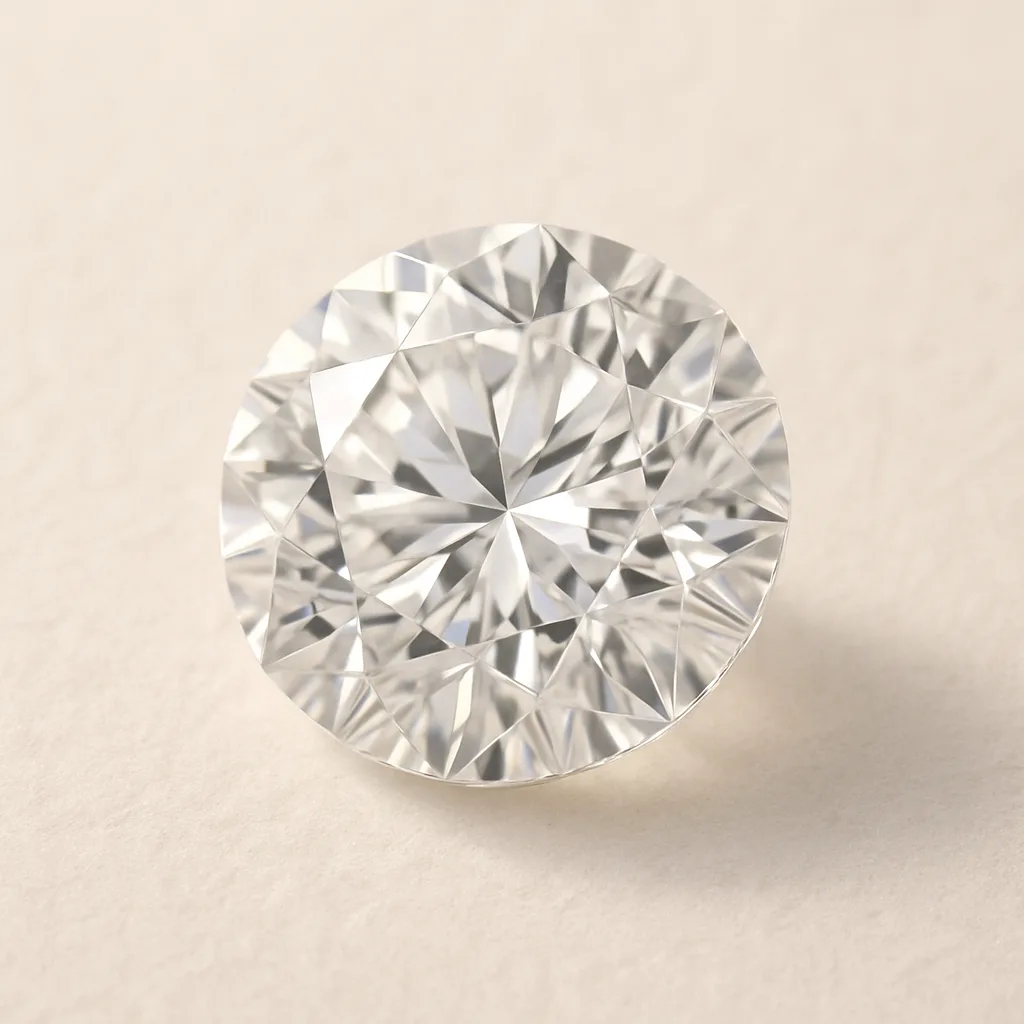
identified this stone yet
Natural Diamond
| Hardness | 10 |
| Specific gravity | 3.52 |
| Refractive index | 2.417 |
| Crystal system | 等軸晶系 |
Colorless (D–F), near-colorless (G–J), faint to light yellow (K–Z), and fancy colors beyond Z. Type IIb blue, type Ia fancy yellow (canary), and natural pink diamonds are all distinct varieties.
- nclusions
- nclusions
- nclusions of garnet, diopside, or other minerals
- Graining lines visible at high magnification
- Singly refractive (cubic system)
- Adamantine luster, very high (0.044)
- 01Thermal conductivity probe distinguishes diamond from moissanite (which also passes the diamond tester) — use a combined diamond/moissanite tester
- 02 visible at 10× indicates moissanite, not diamond
- 03Strong blue under LW UV is common in natural diamond but can occur in CVD lab-grown
- 04Lab-grown identification requires specialized testing (DiamondView, PL spectroscopy) — not visible to the naked eye
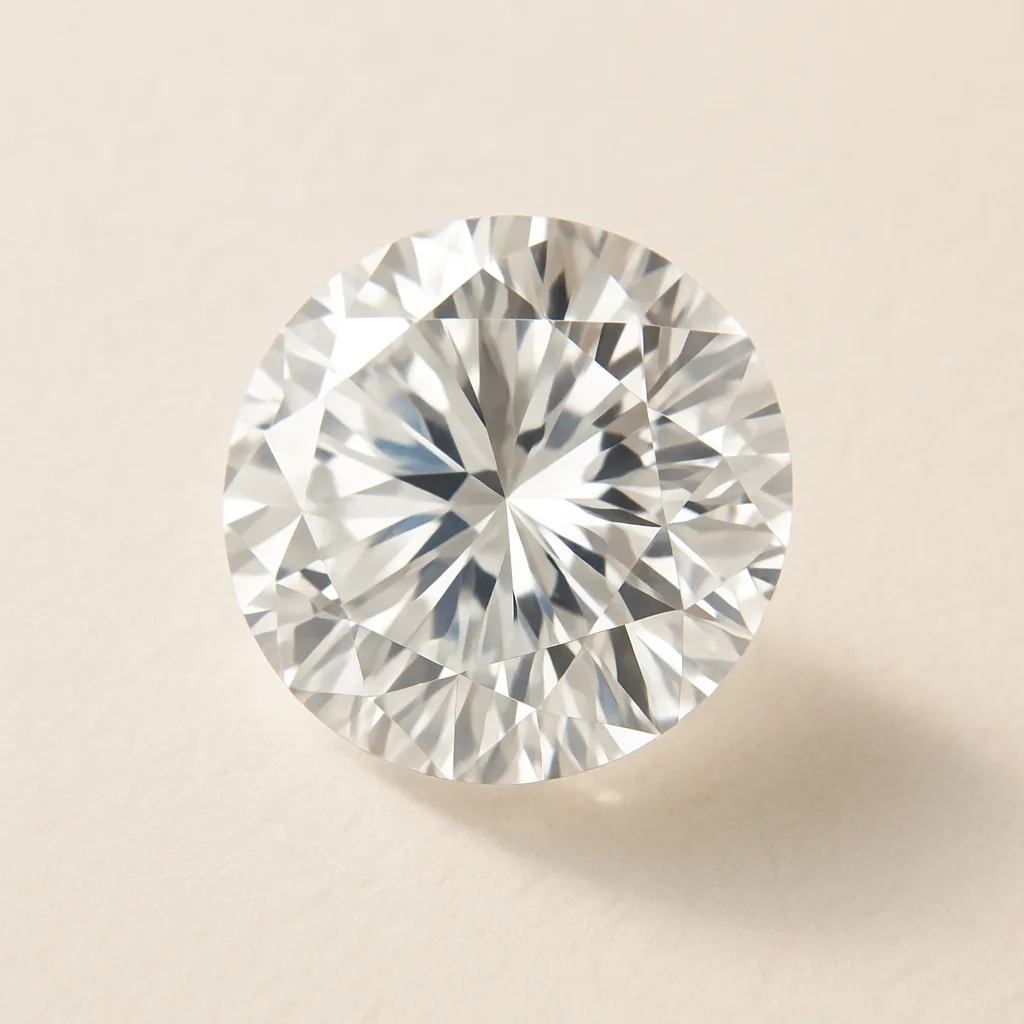
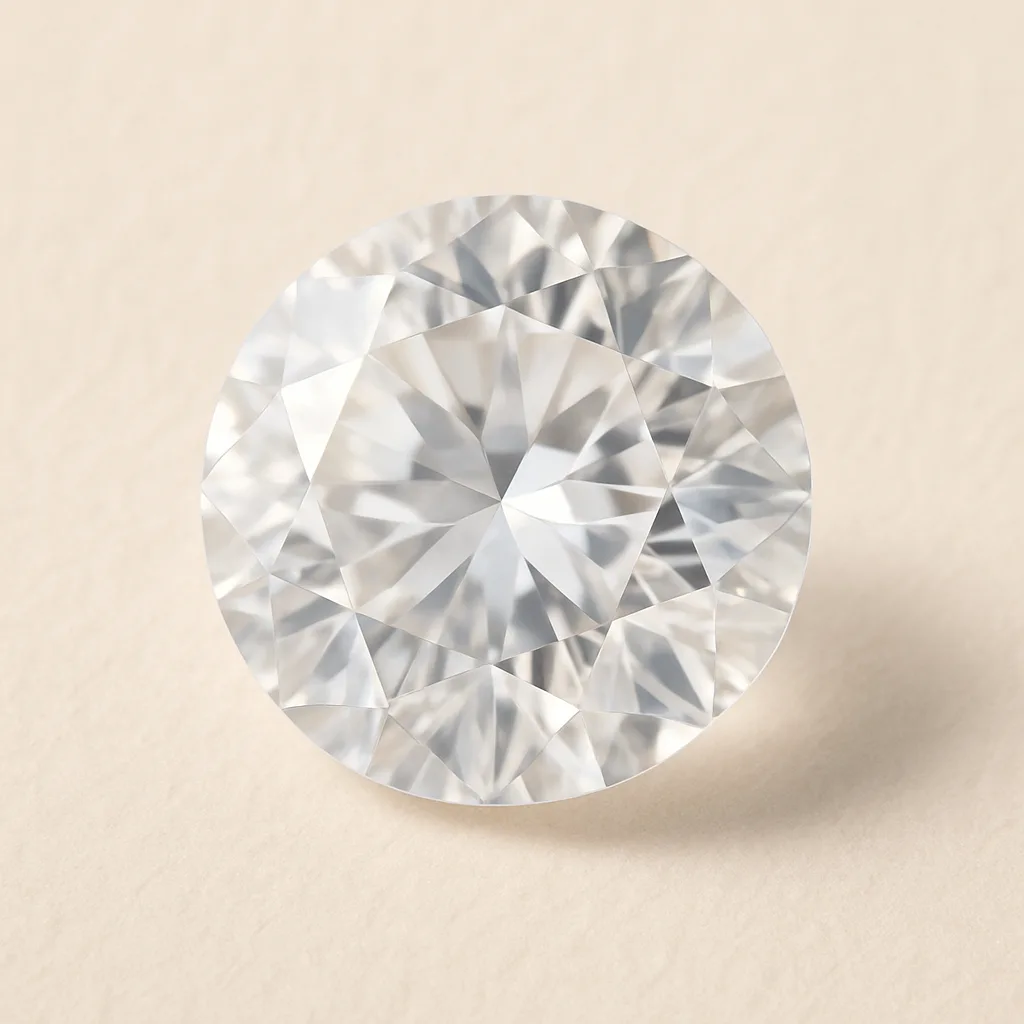
- Hardest material but still cleaves along {111} planes — avoid sharp impacts on the girdle
- Safe to ultrasonic and steam clean unless heavily included
- Store separately — diamond will scratch every other gem material
From a few hundred dollars per carat for melee and low colors up to over $1 million per carat for fancy reds and top-color natural pinks.
Note: Grading is governed by the 4 Cs — carat, color, clarity, cut. Lab-grown diamonds (CVD and HPHT) are chemically and optically identical and now occupy a major share of the bridal market at roughly 20–30% of natural prices. Always require a recent GIA, AGS, or equivalent lab report for stones above 0.30 ct.
Diamond (C) forms 150–200 km below the surface and reaches the crust through kimberlite or lamproite volcanism. Major producers include Russia, Botswana, Canada, Australia, and South Africa. The vast majority of gem-quality diamonds are colorless to near-colorless; fancy colors — yellow, pink, blue, green, red — are rare and valuable.
Origins
Russia (Mir, Udachny) is the largest producer by volume. Botswana (Jwaneng, Orapa) supplies high-quality gem rough. The Argyle mine in Western Australia, closed in 2020, was the source of nearly all natural pink diamonds. Canada (Diavik, Ekati) produces large clean colorless stones. South Africa's Cullinan mine continues to produce historic large stones.
History
First mined in India before 800 BCE. The Indian Golconda mines produced legendary stones including the Koh-i-Noor and Hope diamonds. South African discoveries in the 1860s and 1870s transformed diamond from a rarity into an industry, with De Beers shaping the modern market. The 20th-century 'A Diamond is Forever' campaign cemented diamond as the engagement-ring standard.
Lore & symbolism
April's birthstone. Symbol of eternity, fidelity, and strength. The traditional 60th and 75th wedding anniversary gem.
Tools to confirm this stone
Tools that help confirm Natural Diamond. Tap any item to jump to the matching section on the gem tools page.
- 最終確認日
- 2026年4月28日
- 参 考 文 献
- Gem Encyclopedia/ GIA (Gemological Institute of America)
- 宝石鑑別基準/ 中央宝石研究所 (CGL)
- Mineral & Gem Database/ Mindat.org / Gemdat.org
- 宝石学入門/ 全国宝石学協会
本ページの物性値(屈折率・比重・硬度・結晶系等)は、上記の権威ある一次資料を相互参照して編集しています。最新の鑑別研究の進展により値が更新される場合があります。