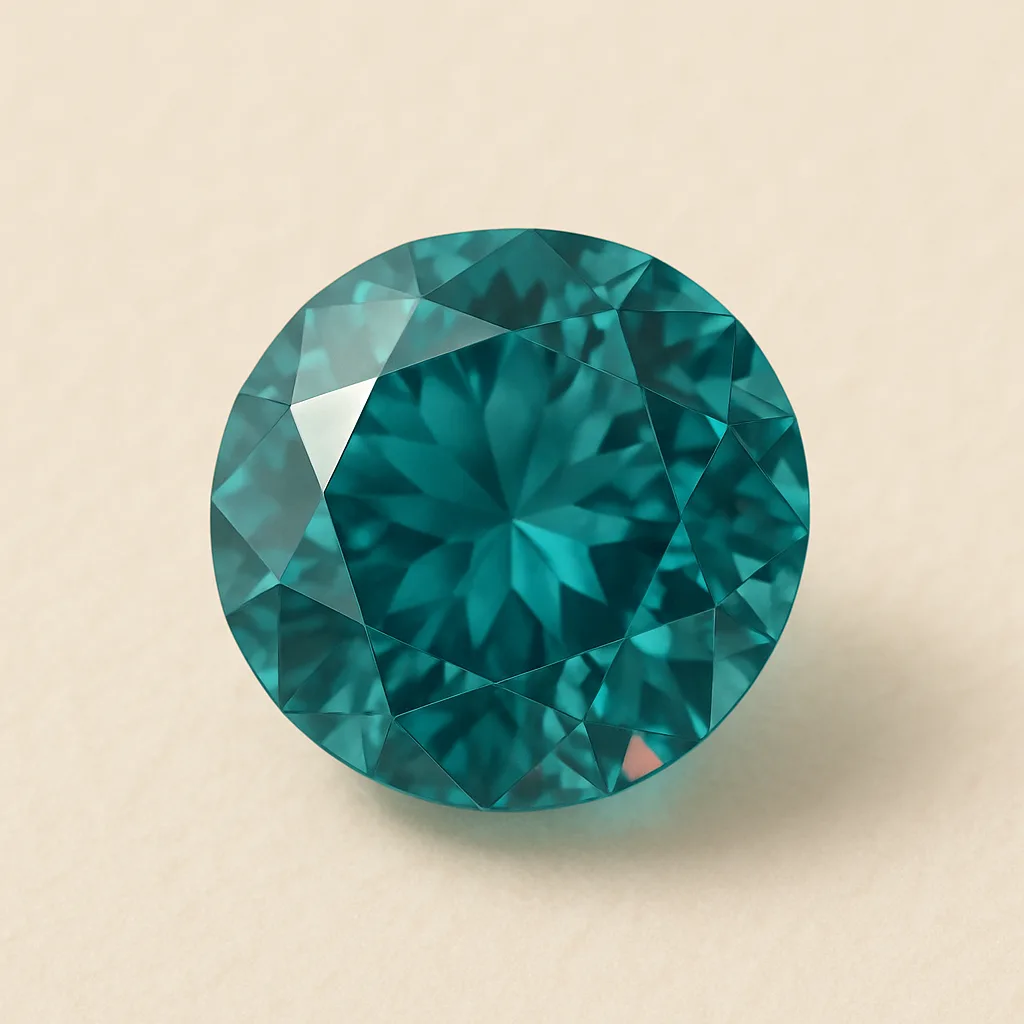
identified this stone yet
Color Change Spinel
| Hardness | 8 |
| Specific gravity | 3.58-3.63 |
| Refractive index | 1.712-1.730 |
| Crystal system | 等軸晶系(立方晶系) |
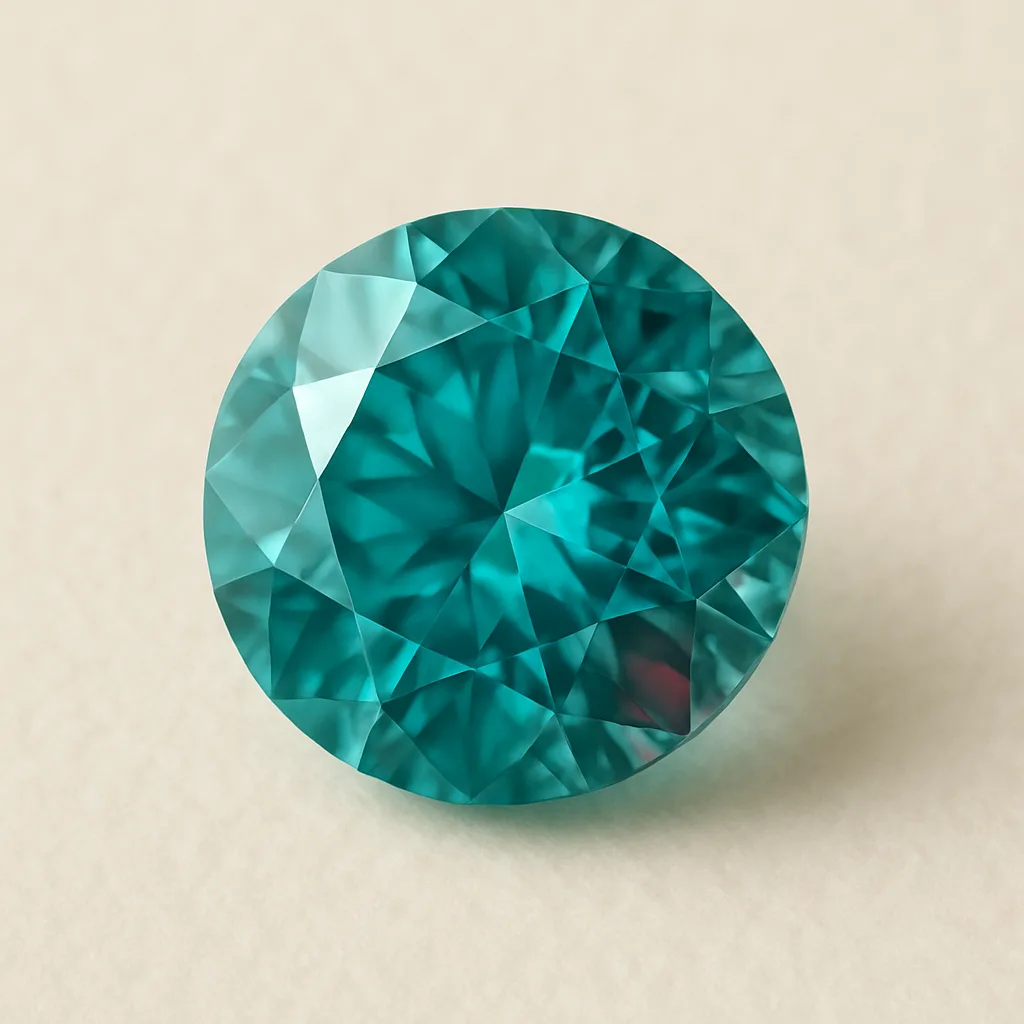
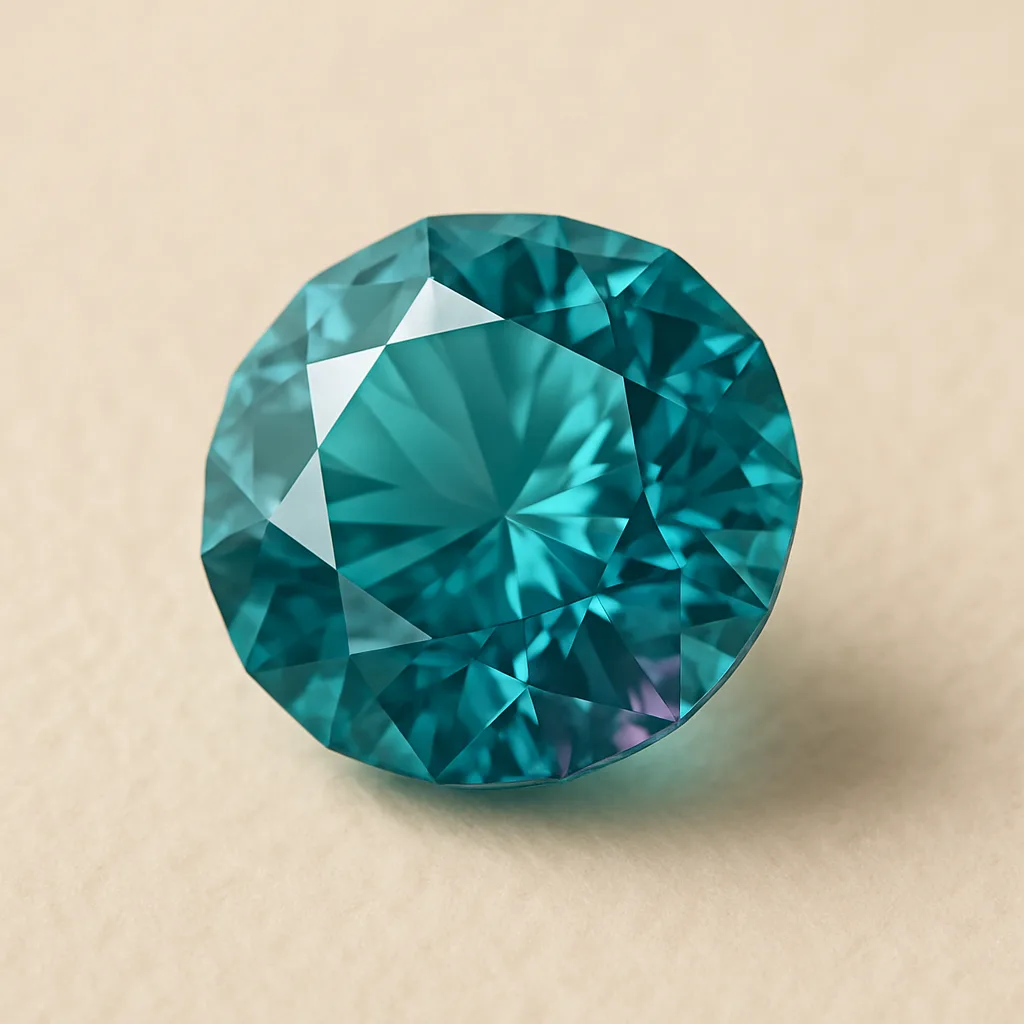
Daylight (D65 fluorescent): blue, bluish-grey, greyish-violet, or pale violet — typical hexcode #4A5985 to #6B7AA8. Incandescent (2856K tungsten or candlelight): deeper violet, reddish-purple, or red-purple — typical hexcode #6E4A75 to #8B4A5C. The colour-change effect is generally weaker than alexandrite's dramatic green-to-red shift but distinctively visible to the trained eye.
- egative crystals — diagnostic spinel signature at 10×
- nclusion networks along healed fractures
- nclusions (Sri Lankan and Vietnamese material)
- Colour-zoning patches showing the variable Cr/V/Fe chromophore distribution
- Refractive index 1.712–1.736 — singly refractive isotropic cubic
- Specific gravity 3.58–3.63 — slightly broader range than red/pink/grey spinel due to compositional variation
- Mohs 8
- No (isotropic cubic) — decisive diagnostic against alexandrite chrysoberyl which shows dramatic three-axis
- Moderate-to-strong colour-change effect daylight-to-incandescent
- Weak-to-medium red LW-UV in Cr³⁺-dominant material
- 01No — decisive single-test separator from alexandrite chrysoberyl (which shows dramatic green-purple-red three-axis on the dichroscope)
- 02Singly refractive (no under crossed polars) — separator from doubly-refractive alexandrite and colour-change sapphire
- 03egative crystals at 10× — diagnostic spinel signature
- 04Specific gravity 3.58–3.63 — separates from alexandrite (3.70–3.75) and colour-change sapphire (3.99–4.01)
- 05Refractive index 1.712–1.736 — separates from alexandrite (1.746–1.755), colour-change sapphire (1.762–1.770), and colour-change garnet (1.730–1.762 overlap requires combined testing)
- 06Daylight-to-incandescent colour shift visible under standard D65 and 2856K illumination
- Mohs 8 — excellent durability for daily wear
- nclusions
- Ultrasonic cleaning generally safe for clean material
- Steam cleaning acceptable
Sri Lankan Embilipitya type-locality material with strong colour change: $500–$5,000 per carat for fine clean 1–3 carat stones. Tajik Kuh-i-Lal V-dominant material: $300–$3,000 per carat. Vietnamese Luc Yen material: $200–$2,000 per carat. Mogok Burmese material: $300–$3,000 per carat. The premium tier (strong colour change, clean clarity, 2+ carat) reaches $5,000–$15,000 per carat for the finest specimens — still substantially below alexandrite premium pricing ($10,000–$60,000+ per carat for fine clean material).
Note: Disclosure as 'natural colour-change spinel' is the trade standard; heat treatment is rarely encountered (the colour-change effect is fragile and heat-sensitive) but must be disclosed under FTC Jewelry Guides §23.22 and CIBJO Blue Book if applied. The colour-change-spinel market is niche and collector-driven; supply is limited and pricing reflects scarcity premium. Origin determination by GIA, AGL, Lotus Gemology, SSEF, and the German DSEF is the standard practice. The Sri Lankan Ratnapura/Embilipitya source provides the historical type-locality reference; Tajik Kuh-i-Lal V-dominant material is collector-prized for the strong colour shift.
Color-change spinel is MgAl₂O₄ in the cubic isometric system, coloured by mixed trace chromophores typically Cr³⁺ (Sri Lankan Embilipitya material — the classical 1985 Schmetzer/Henn finding) or alternatively V³⁺ (rare V-dominant variety from Tajikistan) producing the alexandrite-like daylight-to-incandescent colour shift. The colour-change effect is driven by the same mechanism as alexandrite: the chromophore produces strong transmission in both the blue-green and the red regions of the visible spectrum with a relative absorption minimum in the yellow-orange — under blue-rich daylight illumination the blue-green transmission dominates and the stone appears blue/green/grey; under red-rich incandescent illumination the red transmission dominates and the stone appears purple/red. The single refraction (isotropic cubic, RI 1.712–1.736, no , no ) is decisively diagnostic against alexandrite (chrysoberyl, doubly refractive biaxial positive with dramatic three-axis showing green-purple-red distinct directional colours). The Mohs 8 hardness and high refractive index produce excellent brilliance. The 1985 Karl Schmetzer / Henn paper at the German Diamond and Stone Examination Foundation (DSEF) Idar-Oberstein established the species as a distinct gemological variety; subsequent material from Kuh-i-Lal Tajikistan (V-dominant variant) and Vietnamese Luc Yen has extended the known compositional range.
Origins
Sri Lanka Ratnapura and Embilipitya districts — the 1985 Schmetzer/Henn type-locality material. Tajikistan Kuh-i-Lal (Khorog, Gorno-Badakhshan) — V³⁺-dominant variant. Vietnam Luc Yen (Yen Bai Province) — post-1990 commercial discovery, V-dominant material. Myanmar Mogok Stone Tract — small additional production. Tanzania Mahenge ward — rare colour-change material reported post-2007 alongside the pink material. The Sri Lankan and Tajik sources supply most of the commercial colour-change-spinel market.
History
Color-change spinel was first definitively documented at Embilipitya in southern Sri Lanka in 1985 by Karl Schmetzer (DSEF Idar-Oberstein), Henn, and the German gemological-research team in their landmark Gems & Gemology Spring 1985 paper 'Color-Change Spinel from Sri Lanka.' The Schmetzer/Henn investigation identified the Cr³⁺ chromophore mechanism, the alexandrite-effect colour shift, and the singly-refractive isotropic-cubic signature that decisively separated the species from alexandrite chrysoberyl. Pre-1985 trade reports had mentioned rare 'colour-change spinel' from the Sri Lankan alluvial gem fields but without definitive gemological characterization. The Tajik Kuh-i-Lal V-dominant material was characterized in the 1990s and 2000s, and the Vietnamese Luc Yen material has been documented since the late 1990s commercial discovery. The 2016 AGTA addition of spinel as August birthstone covered all colour varieties including colour-change.
Lore & symbolism
August birthstone since 2016 (AGTA addition). The alexandrite-effect colour-change tradition (originating with the 1830s Russian Ural Mountains alexandrite discovery — named in honour of Tsar Alexander II of Russia, the Russian Imperial colours red and green that famously align with the variety's colour shift) extends symbolically to colour-change spinel as a 'transformation' or 'duality' stone in modern metaphysical traditions. The 1985 Karl Schmetzer / Henn discovery story is a touchstone of modern gemology, often referenced in advanced gemology coursework at GIA, Gem-A, and the German DSEF programs.
Tools to confirm this stone
Tools that help confirm Color Change Spinel. Tap any item to jump to the matching section on the gem tools page.
- 最終確認日
- 2026年4月28日
- 参 考 文 献
- Gem Encyclopedia/ GIA (Gemological Institute of America)
- 宝石鑑別基準/ 中央宝石研究所 (CGL)
- Mineral & Gem Database/ Mindat.org / Gemdat.org
- 宝石学入門/ 全国宝石学協会
本ページの物性値(屈折率・比重・硬度・結晶系等)は、上記の権威ある一次資料を相互参照して編集しています。最新の鑑別研究の進展により値が更新される場合があります。