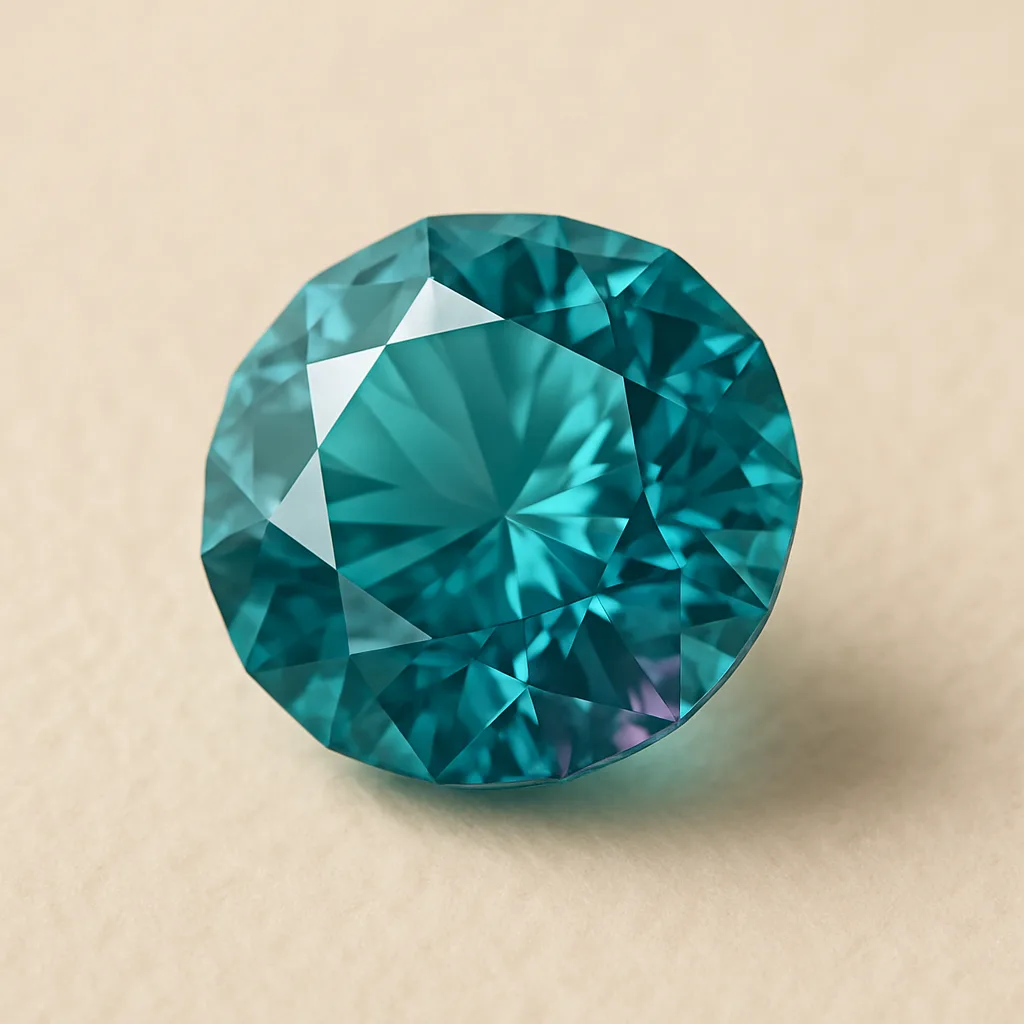
identified this stone yet
Color Change Sapphire (Natural)
| Hardness | 9 |
| Specific gravity | 4.00 |
| Refractive index | 1.762-1.770 |
| Crystal system | 六方晶系(三方晶系) |
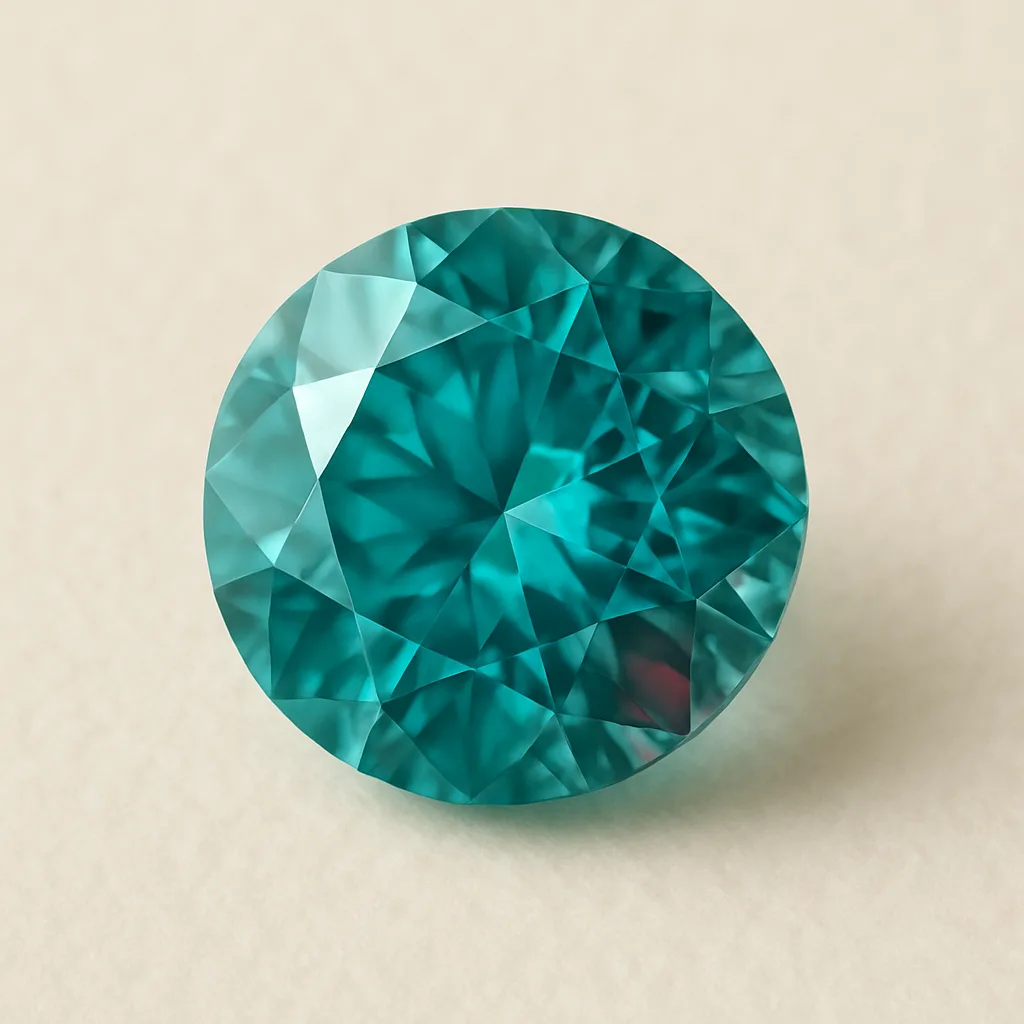
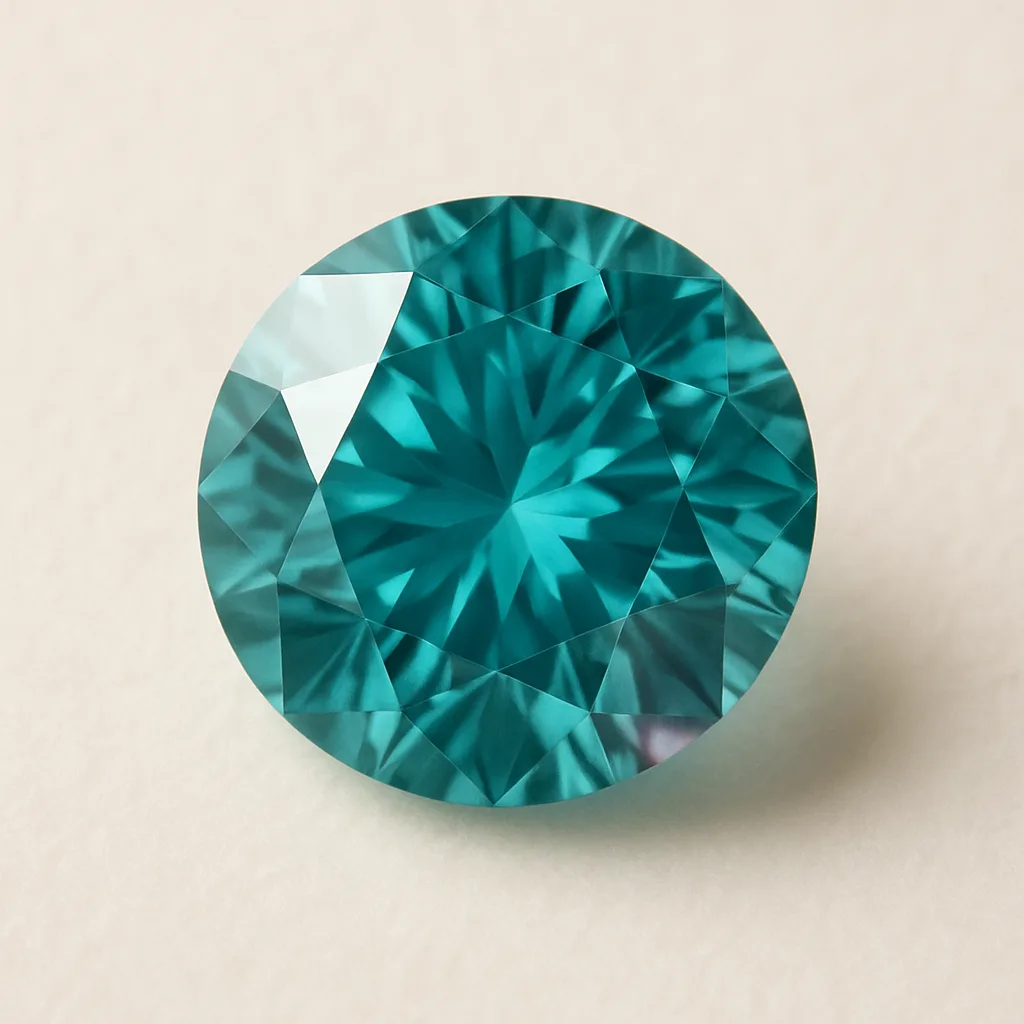
Daylight: blue, blue-green, or violet-blue. Incandescent: violet, purple, plum, or reddish purple. The strongest changes — blue to red — are rare and command premium prices; most stones show a more modest blue-to-violet or green-to-purple shift.
- Silk: rutile needles in three crystallographic directions
- Color zoning visible in immersion — straight or hexagonal banding
- nclusions
- nclusions of zircon, apatite, or rutile crystals
- Doubly refractive, uniaxial negative
- Refractive index 1.762–1.770
- 0.008–0.009
- Specific gravity 4.00
- Strong — the two colors visible through a dichroscope correspond closely to the daylight and incandescent transmission peaks
- 01Test under both daylight (5500 K) and incandescent (2800 K) — color change should be measurable on a Munsell or comparable standard chart for high-end grading
- 02 indicate Verneuil synthetic color-change corundum, in production since the 1950s
- 03Vanadium-chromium chemistry confirmable by EDXRF for origin work
- 04 through a dichroscope shows both colors simultaneously — diagnostic of corundum versus singly refractive imitations
- Mohs 9 — durable for daily wear; safe in any setting
- Safe to ultrasonic and steam cleaning unless fracture-filled or beryllium-diffused (edge-color migration possible in diffused stones)
- Stable to normal jeweler's chemicals
¥30,000–80,000/ct for commercial Tanzanian or Madagascan material with modest color change, up to ¥500,000/ct or more for fine Sri Lankan stones with strong blue-to-red change above 2 ct.
Note: Heat treatment is standard and accepted. Beryllium-diffusion treatment, applicable to corundum to alter or strengthen color, is a major concern for color-change material — disclosure is required and a major lab report (GIA, GRS, Gübelin, SSEF) is essential for any stone above 1 ct. Strong, dramatic color changes — particularly blue-to-purple-red — command 5–10× the premium of mild changes.
Color-change sapphire is corundum (Al₂O₃) in which the chromophore mix — typically vanadium with trace chromium and iron — produces transmission windows that shift dramatically between daylight (~5500 K, blue-rich) and incandescent illumination (~2800 K, red-rich). The same alexandrite effect that defines color-change chrysoberyl appears here in corundum, but with broader geographic distribution and a wider color range. Mohs 9, RI 1.76–1.77, SG 4.00 — all identical to other sapphires; only the chromophore chemistry separates the variety.
Origins
Sri Lanka (Ratnapura, Elahera) is the traditional and finest source, producing the strongest blue-to-violet changes from vanadium-bearing material. Tanzania (Umba Valley, Tunduru) and Madagascar (Ilakaka) produce significant commercial quantities. Myanmar (Mogok) and Thailand contribute smaller amounts. The Umba Valley produces a characteristic plum-purple incandescent color that has a small but devoted collector following.
History
Sri Lankan color-change sapphires reached European markets in the late 19th century under the trade names 'Ceylon Alexandrite' and 'Oriental Alexandrite' — a marketing parallel to the chrysoberyl alexandrite then commanding record prices in Russian and English jewelry markets. Twentieth-century gemological work at GIA and Gem-A separated the corundum and chrysoberyl species formally, and the U.S. Federal Trade Commission ruled against 'alexandrite' for non-chrysoberyl color-change stones. The 'Ceylon Alexandrite' trade name is now obsolete; 'color-change sapphire' is the only correct designation.
Lore & symbolism
Lacking a deep medieval tradition of its own, color-change sapphire inherits the September birthstone associations of all sapphires. Modern marketing positions it as 'the practical alexandrite' — the color-change phenomenon at one-tenth the price of fine chrysoberyl. Sinhalese tradition in Sri Lanka associates the stone with 'the moon's mood,' invoking the celestial nature of its shifting color.
Tools to confirm this stone
Tools that help confirm Color Change Sapphire (Natural). Tap any item to jump to the matching section on the gem tools page.
- 最終確認日
- 2026年4月28日
- 参 考 文 献
- Gem Encyclopedia/ GIA (Gemological Institute of America)
- 宝石鑑別基準/ 中央宝石研究所 (CGL)
- Mineral & Gem Database/ Mindat.org / Gemdat.org
- 宝石学入門/ 全国宝石学協会
本ページの物性値(屈折率・比重・硬度・結晶系等)は、上記の権威ある一次資料を相互参照して編集しています。最新の鑑別研究の進展により値が更新される場合があります。