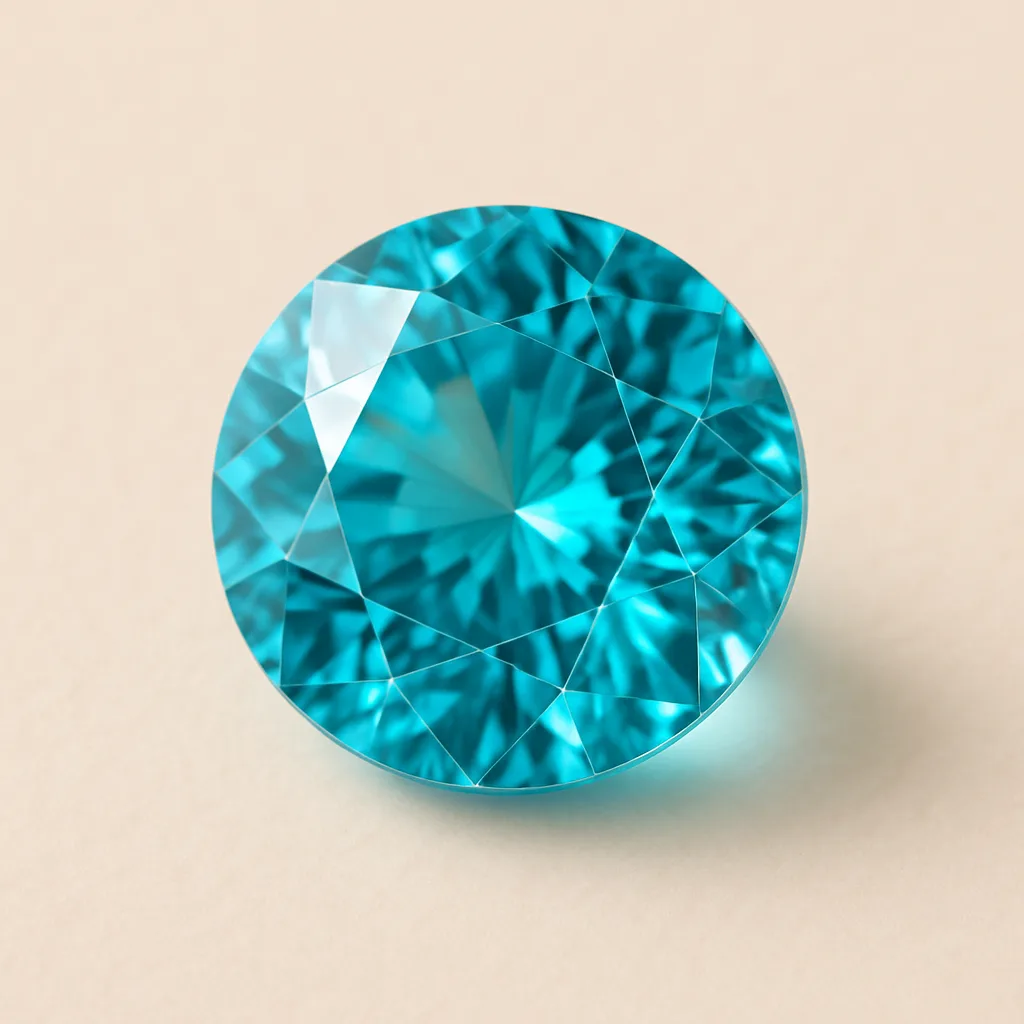
identified this stone yet
Blue Zircon
| Hardness | 6.5-7.5 |
| Specific gravity | 4.65 |
| Refractive index | 1.925-1.984 |
| Crystal system | 正方晶系 |
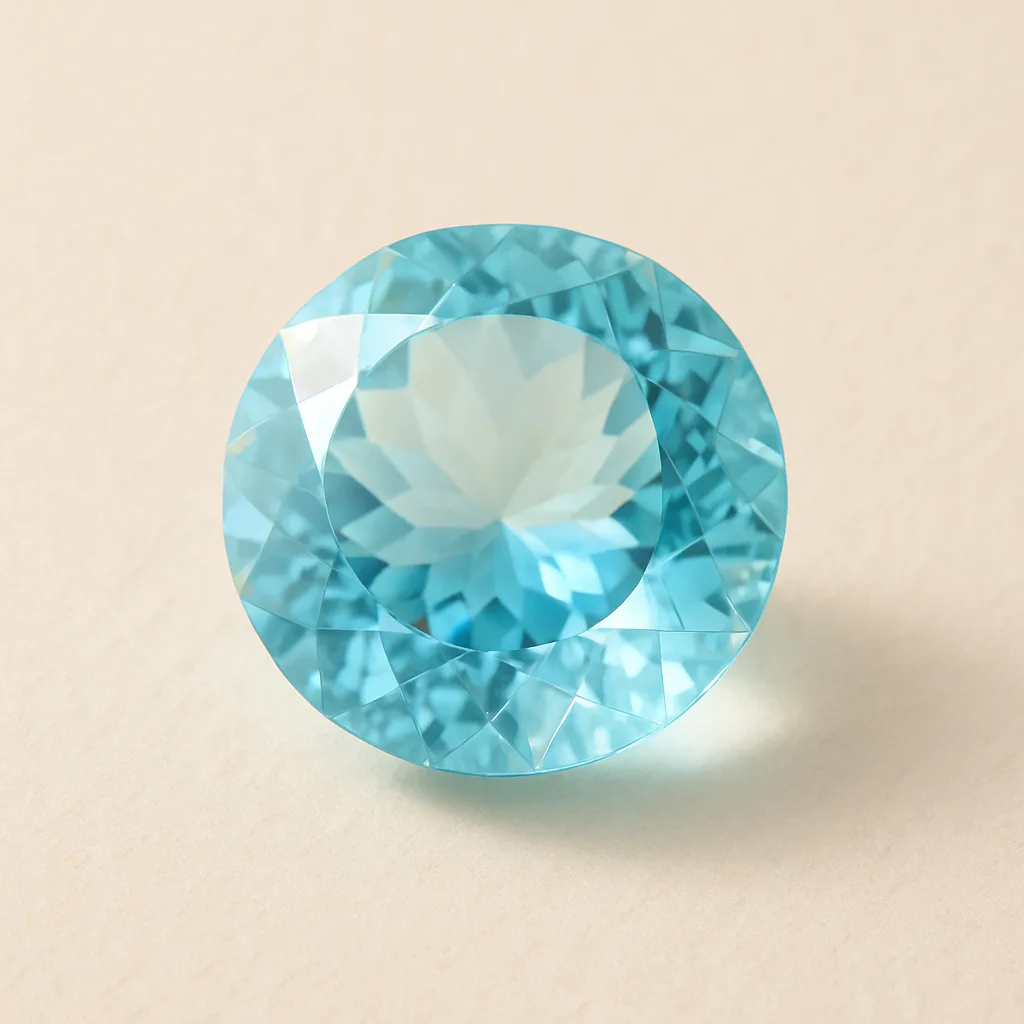
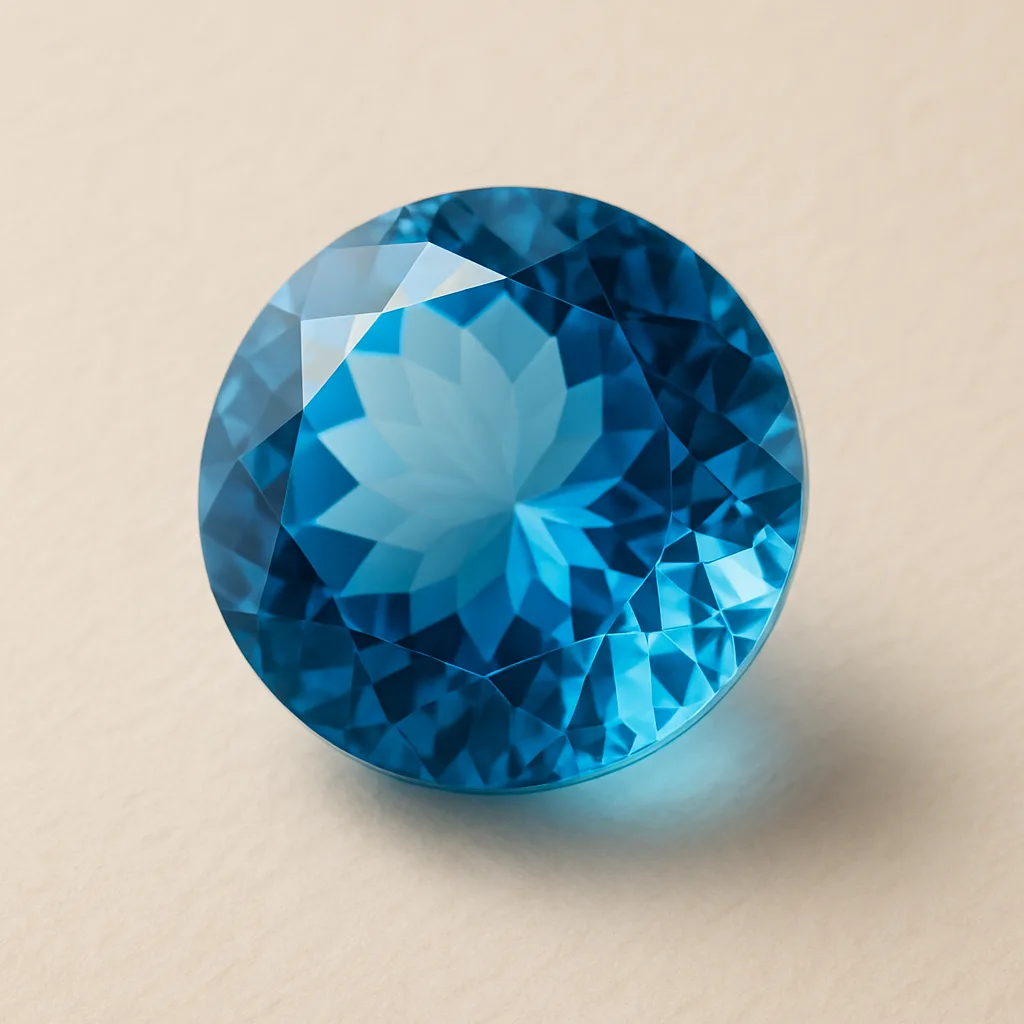
Caribbean sky blue, electric blue, and teal-green-blue. Color comes from radiation damage centers stabilized by in a reducing atmosphere.
- Paper-flat 'parting' planes from the heat-treatment process
- acets visible at 10× — a diagnostic feature
- Occasional zircon-on-zircon parallel growth
- nclusions are unusual
- Doubly refractive, uniaxial positive
- aceted gems
- acet at 10×
- 0.039 — equal to diamond, gives strong fire
- Specific gravity 4.6–4.8 — noticeably heavier than aquamarine (2.7) or blue topaz (3.5)
- 01Strong acets at 10× is the immediate giveaway versus aquamarine and blue topaz
- 02Specific gravity 4.6+ separates blue zircon from every common blue substitute on a hydrostatic balance
- 03Refractive index off the standard 1.81 refractometer scale — only zircon and a few rare stones read 'OTL' (over the limit)
- 04Strong gives a diamond-like fire that aquamarine completely lacks
- Mohs 6.5–7.5 — durable enough for daily wear, but the edges chip more easily than corundum
- Avoid ultrasonic and steam cleaning — the brittle crystal structure can develop new parting planes
- Heat-treated color is generally stable but prolonged sunlight exposure can revert some stones to brown — store away from direct UV
A few thousand to ten thousand yen per carat for commercial-grade Cambodian goods up to several tens of thousands of yen per carat for top-color teal-blue stones above 3 ct.
Note: Heat treatment is universal for the blue color and is fully disclosed. The trade distinguishes 'high zircon' (low metamictization, sharp RI 1.92–1.98) from 'low zircon' (heavily metamict, RI as low as 1.78); blue zircon is always high. Material is typically cut as round brilliants or step cuts to maximize the dispersive fire; the back facets are deliberately kept simple to avoid doubling chaos.
Blue zircon (ZrSiO₄, tetragonal) is the heat-treated form of brown to reddish-brown zircon from Ratanakiri Province in northeast Cambodia and the Mogok belt of Myanmar. Heating to 800–1000 °C in a reducing atmosphere converts the trace uranium-bearing brown zircon into the famous Caribbean sky-blue and teal stones that flooded the European market after the 1880s. The combination of refractive index 1.92–1.98, 0.039 (equal to diamond), and a strong acet that no other affordable blue gem can match. The trade rarely calls this stone by its mineralogical name — 'Starlite,' a marketing term coined by George Frederick Kunz at Tiffany & Co. around 1920, persists in older literature.
Origins
aceted in commercial sizes. The brown rough is heated in a charcoal-rich crucible to produce the blue color, and the treatment is universal and disclosed industry-wide.
History
Zircon was confused with hyacinth (Greek hyakinthos) in classical antiquity and with diamond from the medieval Sri Lankan trade until 1789, when Martin Heinrich Klaproth isolated zirconium oxide from a Sri Lankan zircon and gave the element its name. The blue color was developed commercially in Bangkok and Chanthaburi heat-treatment laboratories in the late 19th century, and George Frederick Kunz at Tiffany & Co. promoted blue zircon as 'Starlite' from around 1920 — a name still used in Edwardian and Art Deco jewelry catalogs. December birthstone status was added by the American National Association of Jewelers in 1952 alongside turquoise.
Lore & symbolism
December birthstone (modern list, 1952). In medieval lapidaries the stone was called hyacinth or jacinth and was credited with the power to repel plague and promote restful sleep — Hildegard von Bingen's 12th-century Physica devotes a passage to its supposed virtues against insomnia.
Tools to confirm this stone
Tools that help confirm Blue Zircon. Tap any item to jump to the matching section on the gem tools page.
- 最終確認日
- 2026年4月28日
- 参 考 文 献
- Gem Encyclopedia/ GIA (Gemological Institute of America)
- 宝石鑑別基準/ 中央宝石研究所 (CGL)
- Mineral & Gem Database/ Mindat.org / Gemdat.org
- 宝石学入門/ 全国宝石学協会
本ページの物性値(屈折率・比重・硬度・結晶系等)は、上記の権威ある一次資料を相互参照して編集しています。最新の鑑別研究の進展により値が更新される場合があります。