identified this stone yet
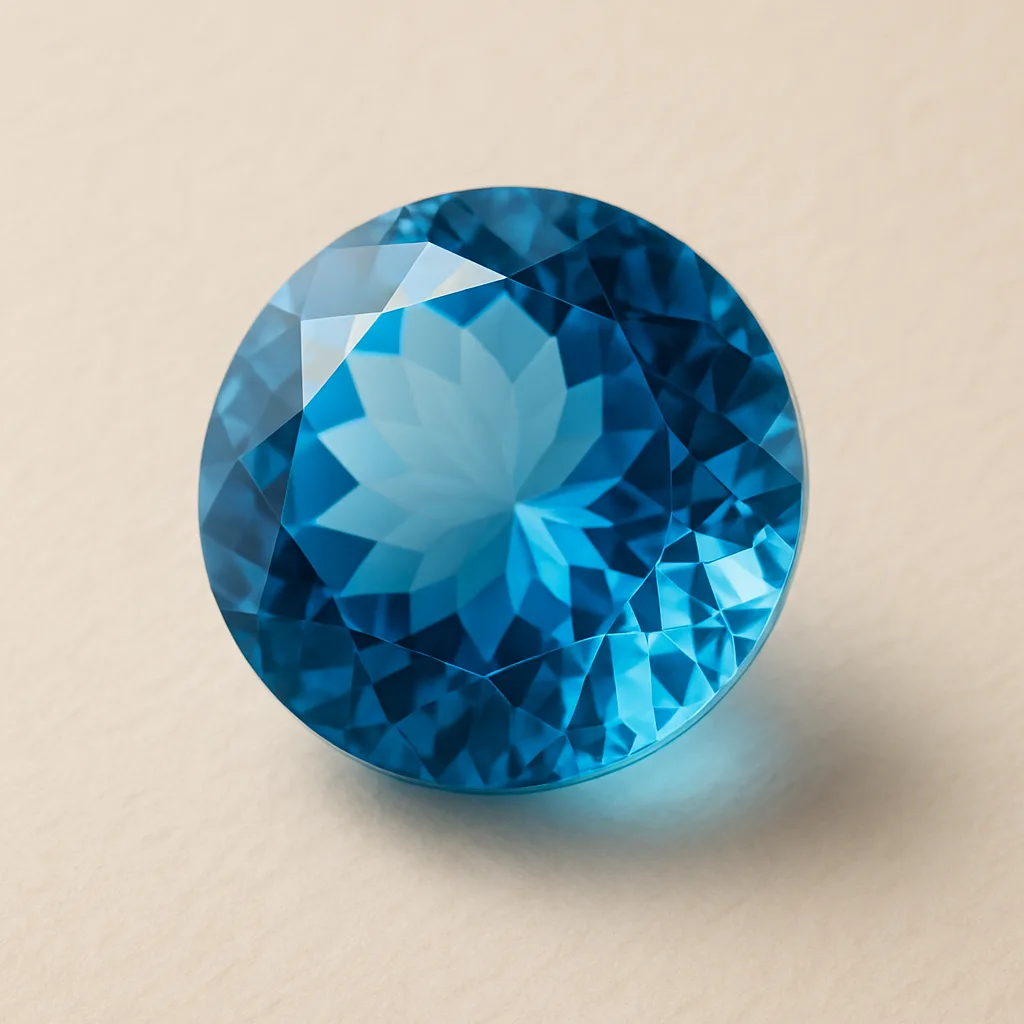
Blue Topaz
| Hardness | 8 |
| Specific gravity | 3.53 |
| Refractive index | 1.610-1.638 |
| Crystal system | 斜方晶系 |
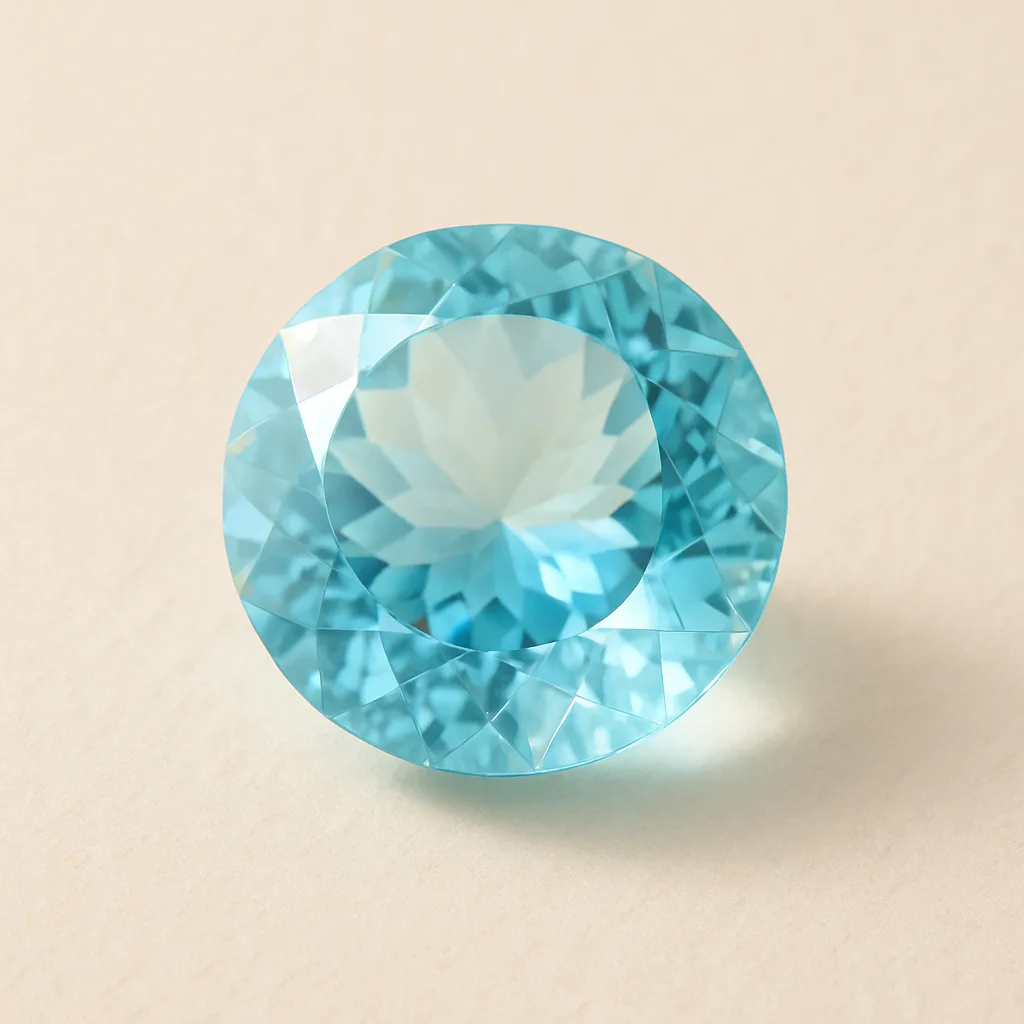
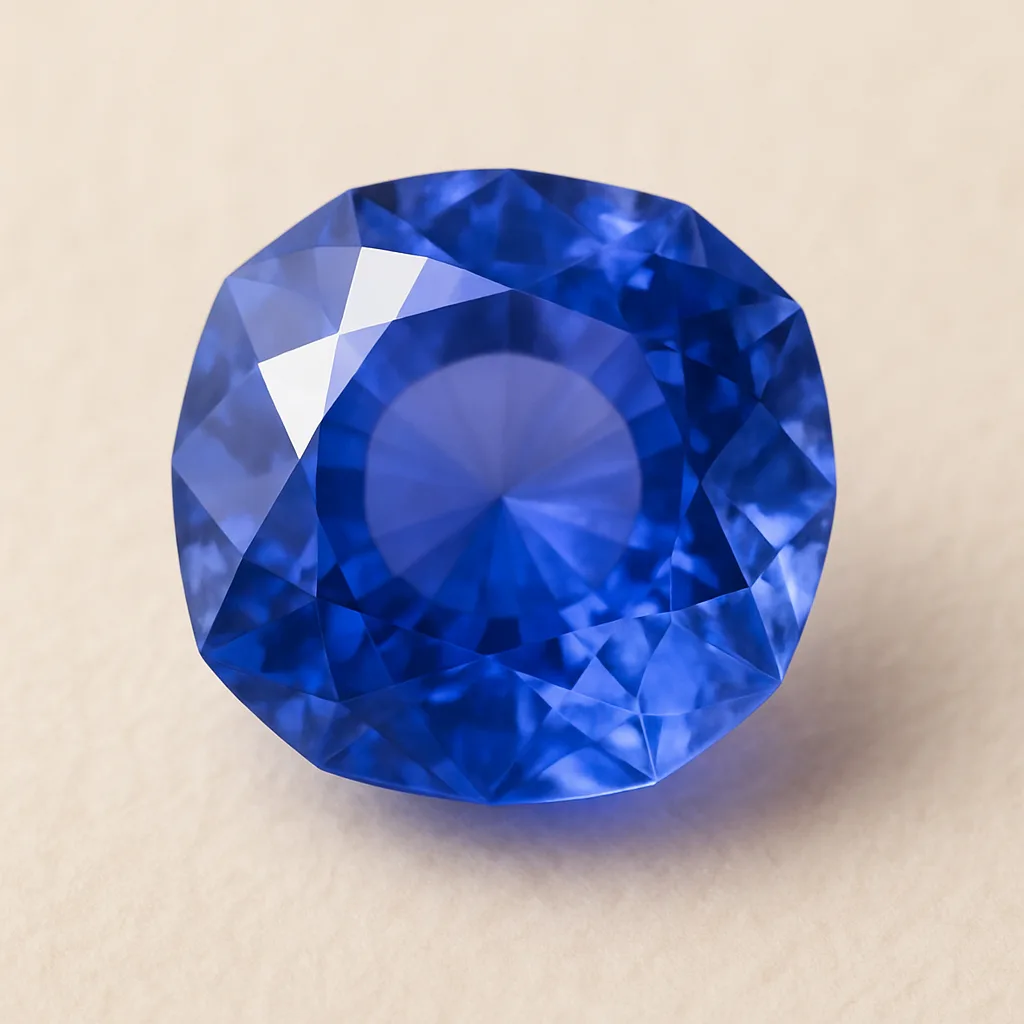
Pale Sky Blue (very soft, like aquamarine), vivid Swiss Blue (saturated mid-blue), and deep London Blue (inky teal-blue with a slight greenish modifier). Natural untreated blue topaz is rare and typically a soft, pale sky tone.
- nclusions
- nclusions parallel to c-axis when present
- planes parallel to the basal pinacoid
- Occasional growth tubes
- Doubly refractive (biaxial positive)
- Distinct dichroism: pale blue and deeper blue
- Perfect basal in one direction
- 01RI 1.61–1.62 and SG 3.5–3.57 separate blue topaz from aquamarine (SG ~2.7, RI ~1.57) and blue zircon (much higher RI ~1.93+)
- 02High SG is the fastest hand test — blue topaz feels noticeably denser than aquamarine of similar size
- 03Distinct dichroism rules out singly refractive blue stones (spinel, glass)
- Mohs 8 but perfect makes blue topaz vulnerable to impacts on edges — protective settings recommended
- Avoid ultrasonic and steam cleaners — vibration can propagate
- Warm soapy water and a soft brush only
Roughly $5–$15/ct for Sky Blue commercial material, $20–$50/ct for Swiss Blue in well-cut sizes, and $30–$80/ct for fine London Blue. Even premium 20 ct+ stones rarely exceed $100/ct — blue topaz is one of the most affordable transparent gem materials in the trade.
Note: Irradiation followed by heat treatment is universal and considered fully stable — the color is permanent and does not fade. NRC (US) and equivalent foreign certifications guarantee residual radiation is below safe limits. Natural untreated blue topaz commands a modest premium when documented but is rarely seen above 1–2 carats. Synthetic topaz is technically possible but commercially unviable.
Topaz (Al₂SiO₄(F,OH)₂) is naturally most often colorless or pale yellow; the dramatic blues of commercial blue topaz are produced industrially through gamma or electron irradiation followed by annealing. Three commercial color grades dominate: Sky Blue (palest), Swiss Blue (vivid mid-blue), and London Blue (deep, slightly greenish or inky blue). Brazil is the principal source of rough; Texas yields naturally light-blue stones in small quantities and is the state gem.
Origins
Brazil's Minas Gerais — particularly the Ouro Preto and Capão do Lana districts — supplies most of the world's near-colorless rough that becomes blue topaz after treatment. Texas produces small quantities of naturally pale-blue topaz, the official state gem since 1969. Nigeria, Ukraine, Madagascar, and Russia (Ural Mountains) contribute additional rough. Most cutting is now done in Brazil, China, and Thailand.
History
Blue topaz only became commercially significant after irradiation treatments were perfected in the 1970s and 1980s — before then, blue topaz from any source was rare and pricey. The treated stones democratized blue gemstone jewelry and remain a fixture of mid-market production. Concerns about lingering radioactivity after treatment led to NRC certification requirements in the United States; properly cooled stones are fully safe.
Lore & symbolism
November's birthstone alongside citrine and yellow topaz. The 4th wedding anniversary gem in some traditions. Modern lore associates blue topaz with communication, calmness, and the throat chakra.
Tools to confirm this stone
Tools that help confirm Blue Topaz. Tap any item to jump to the matching section on the gem tools page.
- 最終確認日
- 2026年4月28日
- 参 考 文 献
- Gem Encyclopedia/ GIA (Gemological Institute of America)
- 宝石鑑別基準/ 中央宝石研究所 (CGL)
- Mineral & Gem Database/ Mindat.org / Gemdat.org
- 宝石学入門/ 全国宝石学協会
本ページの物性値(屈折率・比重・硬度・結晶系等)は、上記の権威ある一次資料を相互参照して編集しています。最新の鑑別研究の進展により値が更新される場合があります。