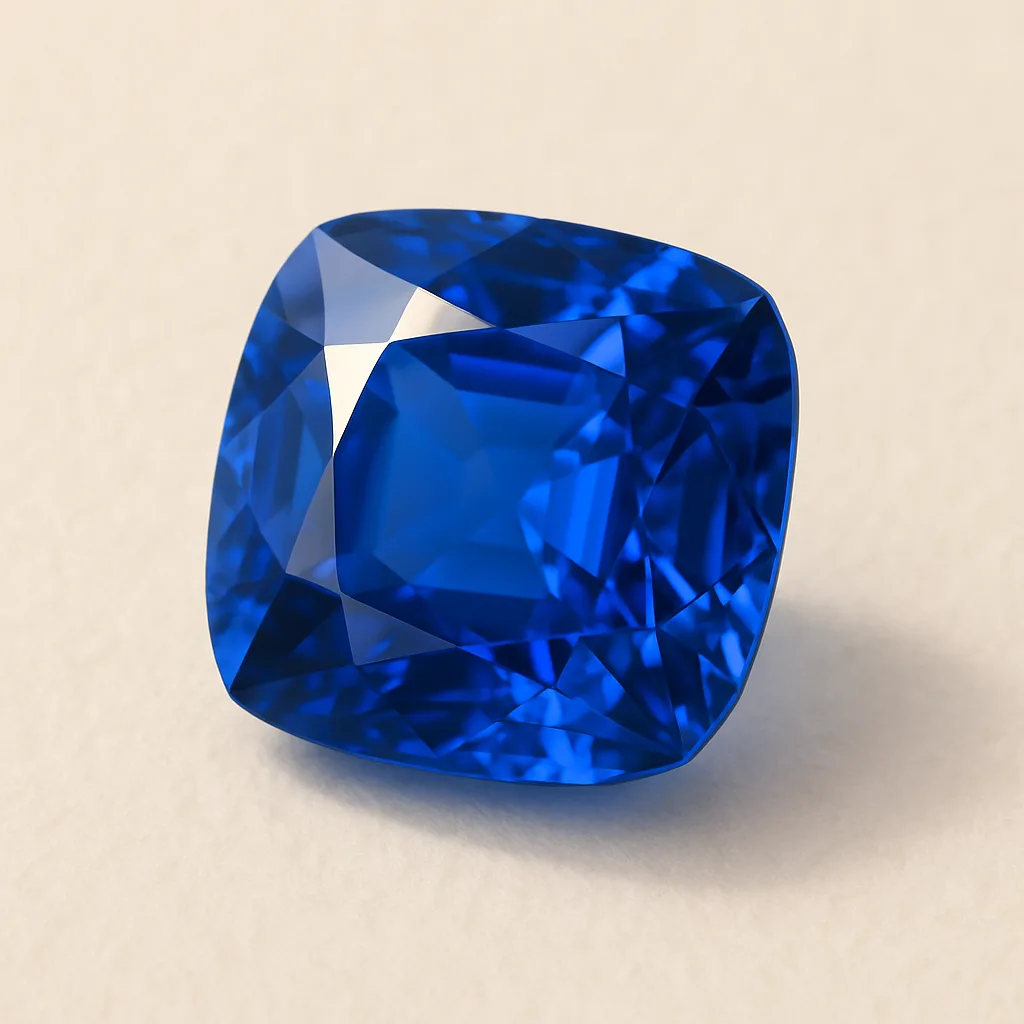
identified this stone yet
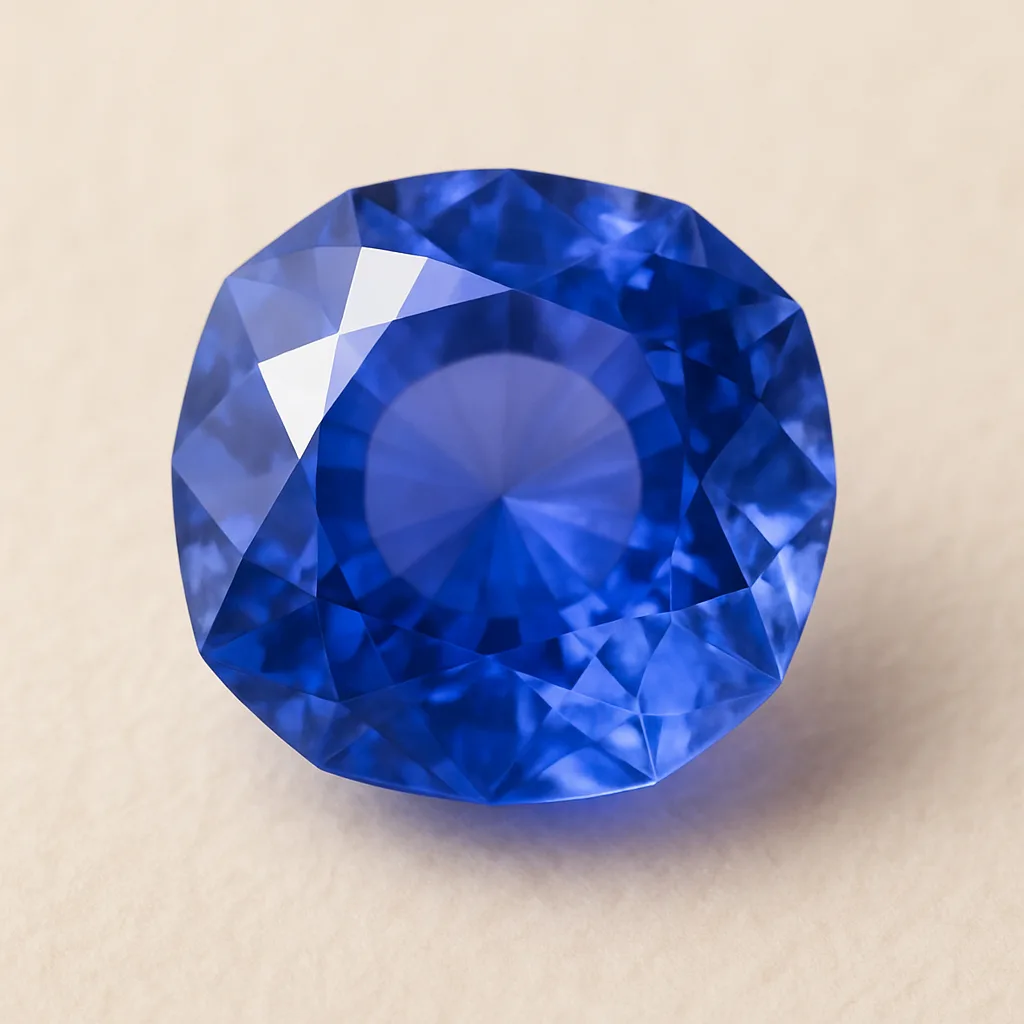
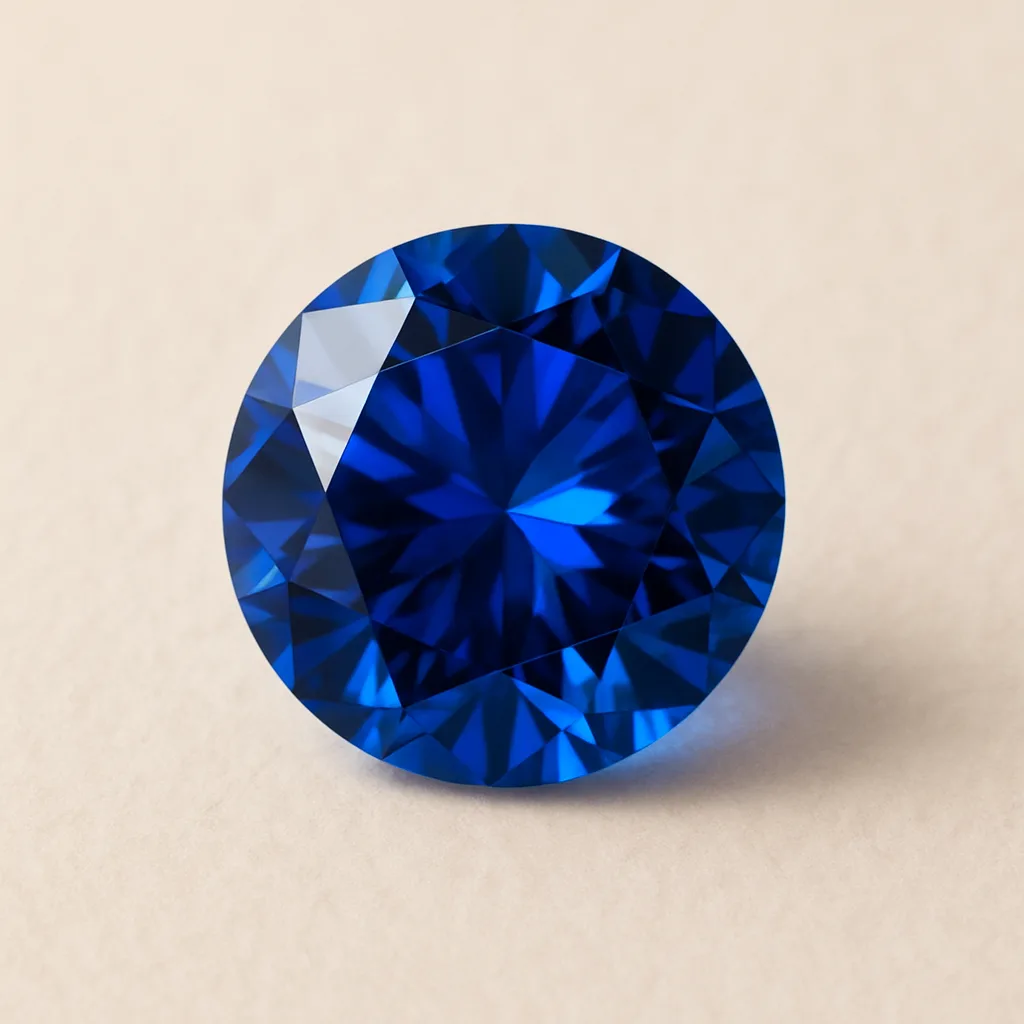
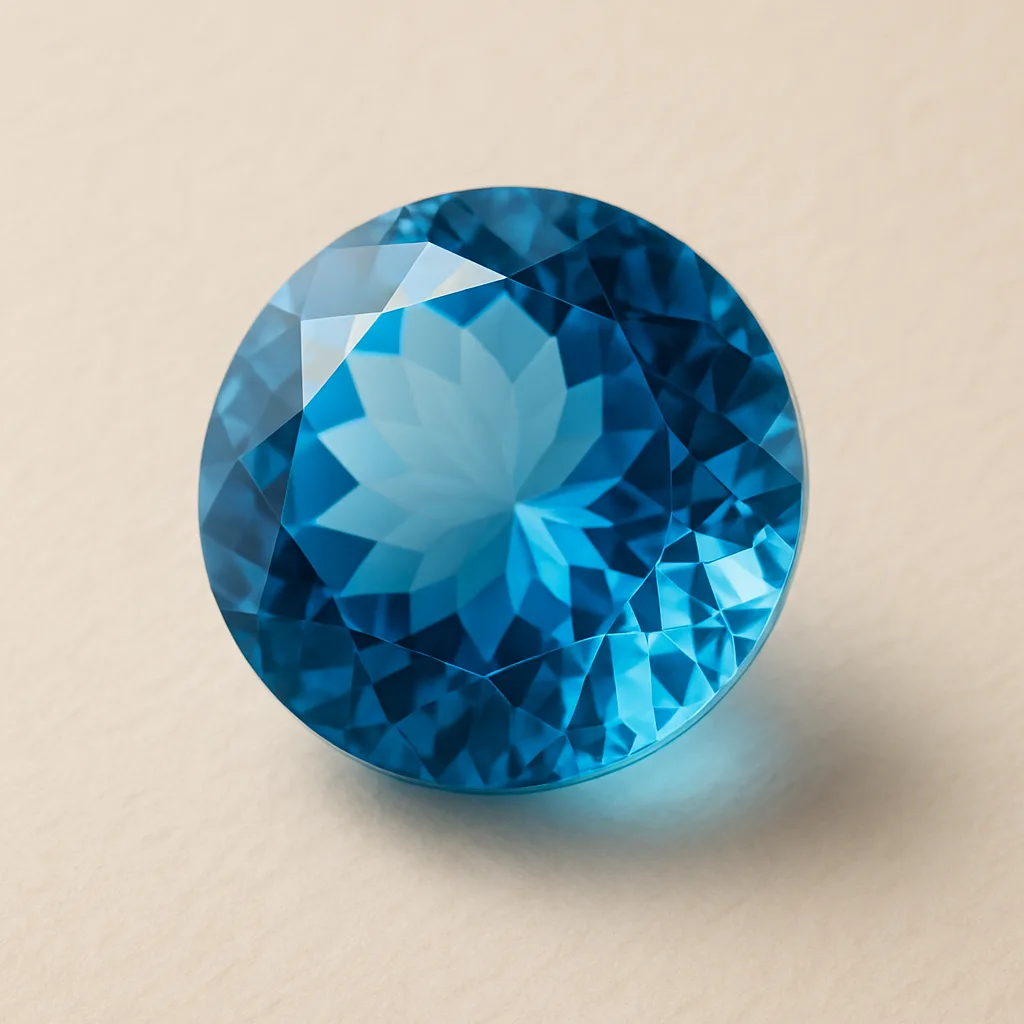
Blue Spinel (Natural)
| Hardness | 8 |
| Specific gravity | 3.60 |
| Refractive index | 1.718 |
| Crystal system | 等軸晶系(立方晶系) |
Pale silvery blue through inky steel blue (iron-dominant) and electric neon blue (cobalt-dominant). Cobalt-rich material approaches the saturation of fine Paraíba tourmaline.
- egative crystals — diagnostic for the spinel group
- nclusions in healed fractures
- Cobalt-bearing material is often noticeably cleaner
- Cobalt blue spinel shows distinct red transmission under the Chelsea filter — diagnostic
- Singly refractive (cubic system) — no
- No
- Cobalt-bearing spinel through the Chelsea filter
- Refractive index 1.712–1.736 (cobalt material at the higher end)
- 01Singly refractive — separates natural blue spinel from natural blue sapphire (doubly refractive with weak )
- 02No — sapphire shows distinct blue/violet-blue
- 03Cobalt-bearing material shows red through the Chelsea filter — diagnostic for Co-rich spinel
- 04egative crystals confirm natural spinel origin
- Mohs 8 with no — safe for daily wear
- Ultrasonic cleaning is normally safe
- Stable to light, heat, and ordinary chemicals
From around 10,000 yen per carat for iron-dominant Sri Lankan material up to several hundred thousand yen per carat for top-color cobalt-rich Luc Yen or Mahenge stones above 2 ct.
Note: Sri Lankan and Burmese iron-dominant material remains accessible; Vietnamese (Luc Yen) and Tanzanian (Mahenge) cobalt-bearing material commands the strongest premium and is typically issued with a major lab report specifying cobalt content. Distinguishing natural blue spinel from synthetic (Verneuil flame-fusion, strong red SW fluorescence) is straightforward — natural is typically inert to weakly fluorescent.
Natural blue spinel is magnesium-aluminum oxide (MgAl₂O₄) colored by iron, cobalt, or both. Iron-dominant material produces the muted grayish-blue and inky blue stones historically confused with sapphire; cobalt-dominant material, discovered in commercial quantities only since the late 1980s, produces the saturated electric-blue 'neon' spinels of Luc Yen (Vietnam) and Mahenge (Tanzania) that drive the modern top of the market. The chemical separation of spinel from corundum was made by Romé de l'Isle in 1783, but for centuries before that — and well into the 19th century — most large 'rubies' and 'sapphires' in European crown jewels were in fact spinel.
Origins
Sri Lanka's Ratnapura district and Burmese Mogok are the historic sources, supplying iron-dominant material in steel-blue to gray-blue tones. The decisive modern discoveries are Luc Yen in northern Vietnam (cobalt-bearing 'neon' spinel, first identified commercially in 1989 by Vietnamese gemologists Phan Long and Pham Khac Tuy) and the Mahenge spinel field in Tanzania (cobalt material identified around 2008). Tajikistan's Kuh-i-Lal pegmatite — historically the source of the Black Prince's Ruby, which is actually red spinel — produces minor blue material as well.
History
Romé de l'Isle separated spinel from corundum on crystallographic grounds in 1783, but the gem trade's confusion persisted for another century — many of the great 'sapphires' of European royalty are spinels in fact, and the famous Black Prince's Ruby in the British Crown Jewels was finally identified as red spinel only in 1851. The 1989 Luc Yen discovery transformed the modern market: Vietnamese mineralogists Phan Long and Pham Khac Tuy documented the cobalt-bearing electric-blue material that has since become the connoisseur's spinel. The 2008 Tanzanian discoveries at Mahenge further expanded the supply of top-color cobalt spinel and produced some of the largest fine specimens ever cut.
Lore & symbolism
August birthstone, added by AGTA in 2016 to share the month with peridot. Associated in contemporary metaphysical writing with calm judgment, intuition, and clear communication — 'the gem of the truth-speaker.'
Tools to confirm this stone
Tools that help confirm Blue Spinel (Natural). Tap any item to jump to the matching section on the gem tools page.
- 最終確認日
- 2026年4月28日
- 参 考 文 献
- Gem Encyclopedia/ GIA (Gemological Institute of America)
- 宝石鑑別基準/ 中央宝石研究所 (CGL)
- Mineral & Gem Database/ Mindat.org / Gemdat.org
- 宝石学入門/ 全国宝石学協会
本ページの物性値(屈折率・比重・硬度・結晶系等)は、上記の権威ある一次資料を相互参照して編集しています。最新の鑑別研究の進展により値が更新される場合があります。