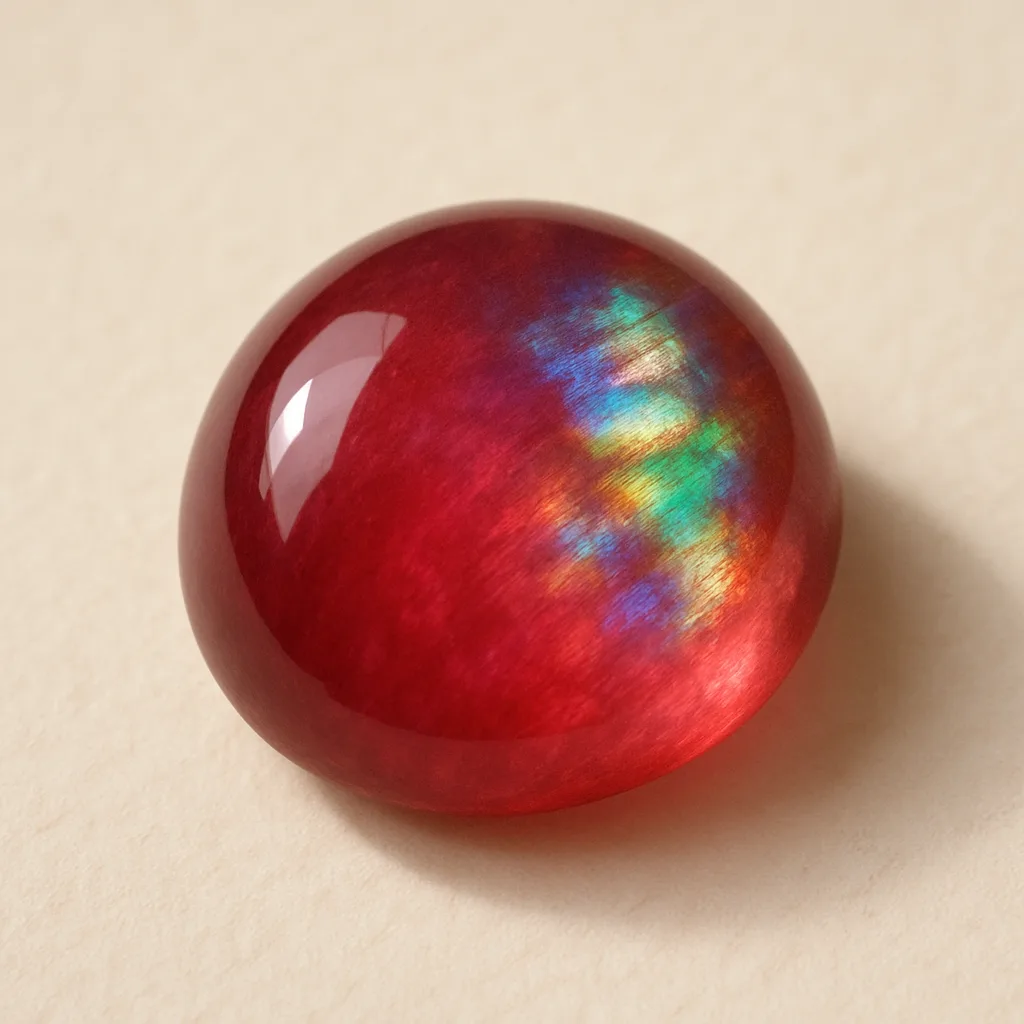
identified this stone yet
Andesine-Labradorite
| Hardness | 6-6.5 |
| Specific gravity | 2.67-2.72 |
| Refractive index | 1.543-1.552 |
| Crystal system | 三斜晶系(長石族) |
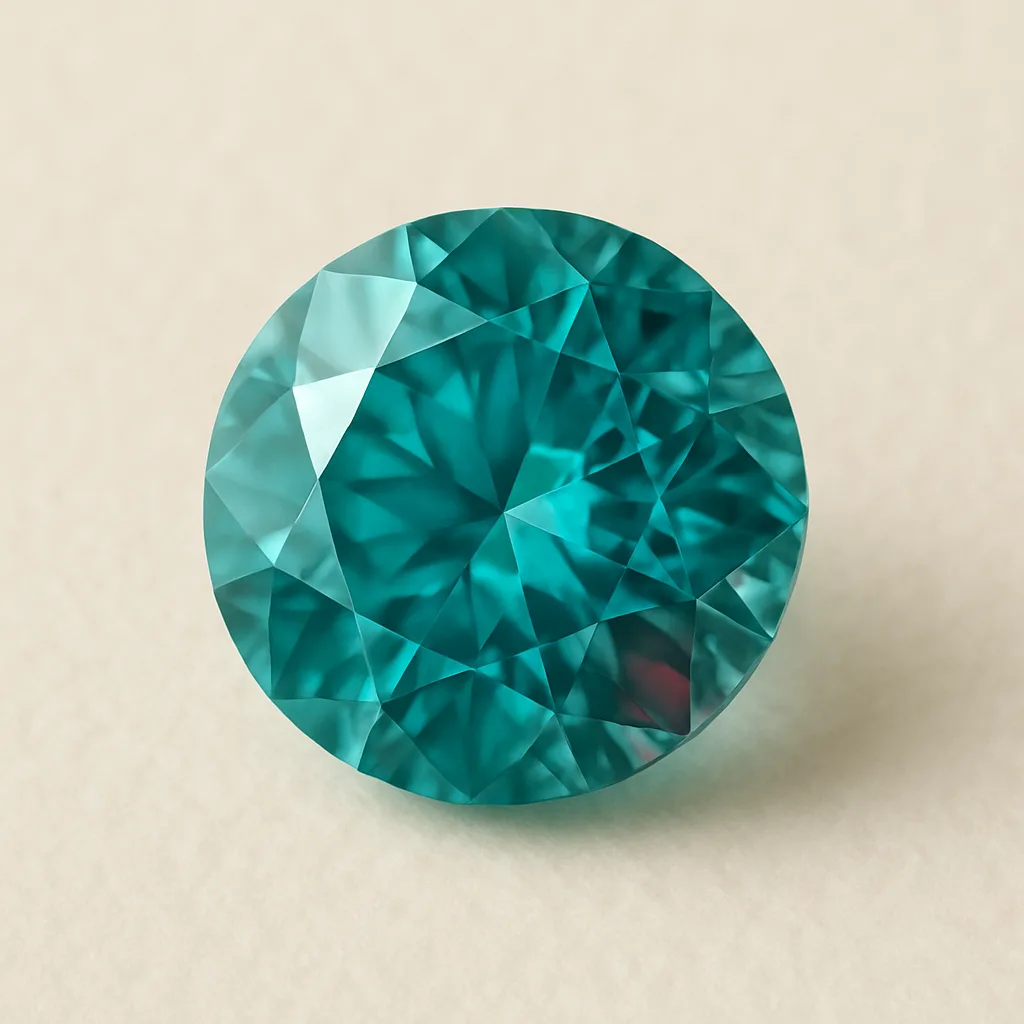
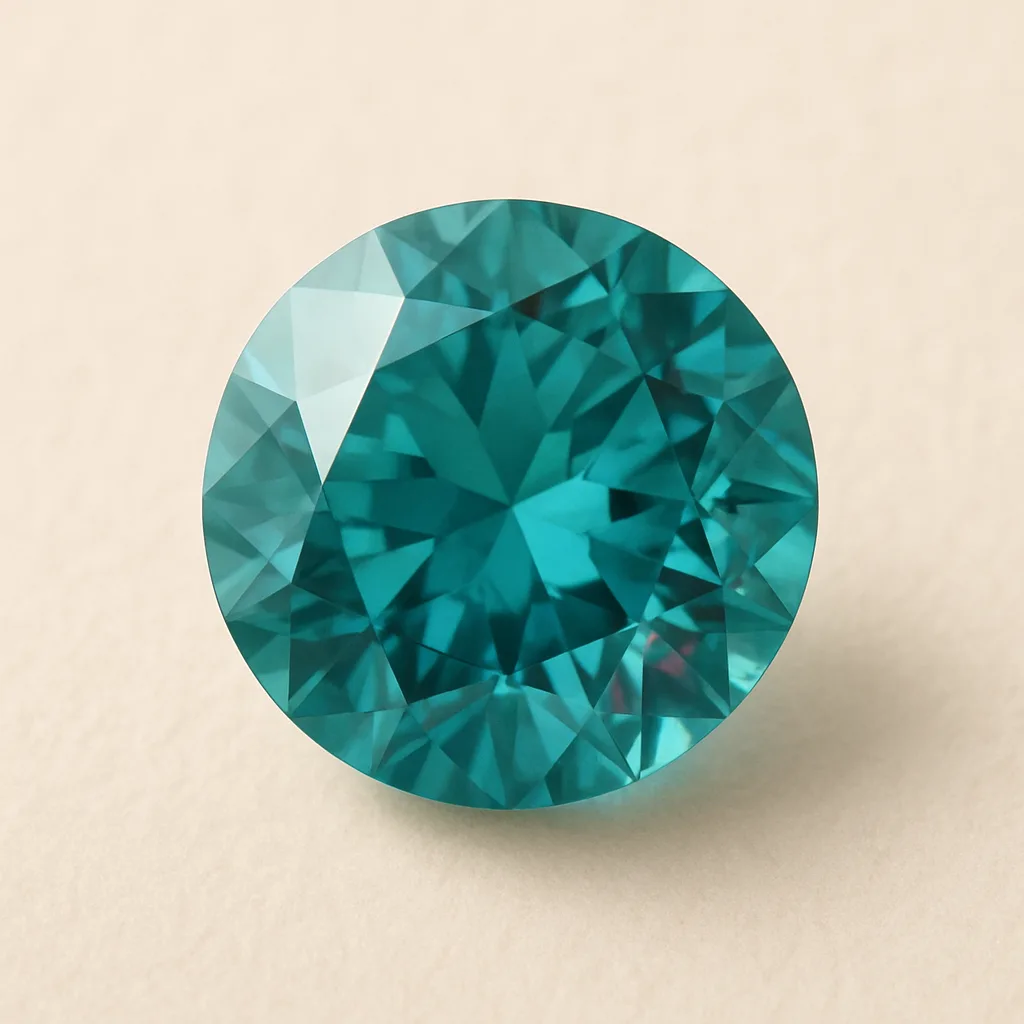
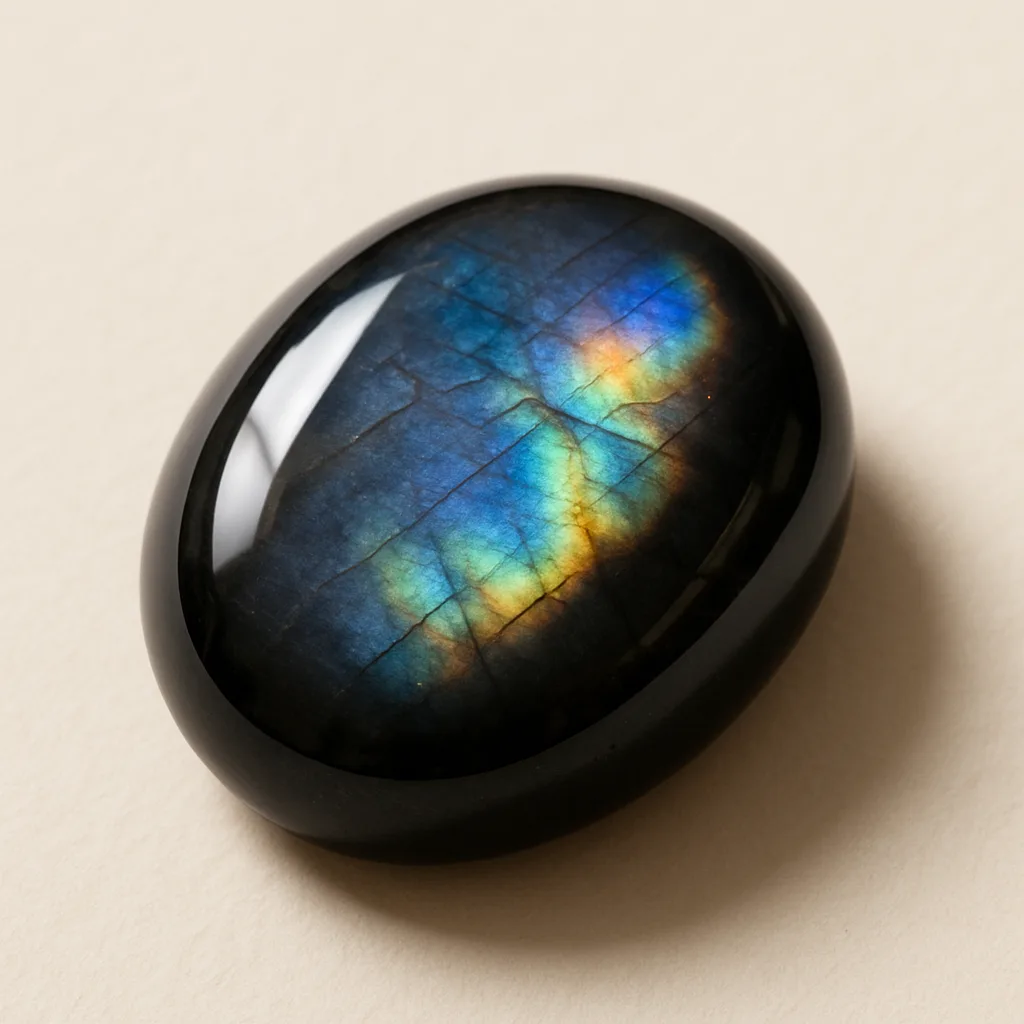
Daylight: greenish-red to pink-red (hexcode #C73A4F to #E0537D). Incandescent: cherry-red to wine-red (hexcode #A82838 to #B83C50). The colour-change effect is moderate — visible under standard D65 versus 2856K illumination but generally less dramatic than alexandrite or colour-change sapphire. The Oregon sunstone (Plush mine, Lake County) untreated copper-coloured material spans red, peach, salmon, and pale green based on Cu particle density.
- Plagioclase twinning lamellae visible under crossed polars — diagnostic feldspar signature
- nclusions in some Oregon sunstone material
- Diffusion-treatment signature: surface concentration of copper-colour layer 50–500 μm deep, with colourless or pale-grey core visible at high-power microscopy on broken surfaces — diagnostic of diffusion-treated origin
- cracks along the two perfect feldspar directions
- nclusion networks along healed fractures
- nclusions (apatite, magnetite micrograins) preserved in the diffusion-treated material
- Refractive index 1.543–1.573 — diagnostic against alexandrite (1.746–1.755), colour-change garnet (1.730–1.762), and colour-change sapphire (1.762–1.770)
- Specific gravity 2.65–2.74 — dramatically lower than colour-change sapphire (3.99–4.01), alexandrite (3.70–3.75), and colour-change garnet (3.78–3.84)
- Mohs 6–6.5 — softer than the major colour-change gem species
- Biaxial doubly refractive — distinct polariscope reading
- Weak-to-medium — variable depending on copper concentration
- Two perfect feldspar directions at 86° (basal and side pinacoid) — produces stepped fracture surfaces
- nclusions
- 01Refractive index 1.543–1.573 — diagnostic against all other colour-change gem species: alexandrite (1.746–1.755), colour-change garnet (1.730–1.762), colour-change sapphire (1.762–1.770), colour-change spinel (1.712–1.736)
- 02Specific gravity 2.65–2.74 — diagnostic against alexandrite (3.70–3.75), colour-change garnet (3.78–3.84), colour-change sapphire (3.99–4.01), colour-change spinel (3.58–3.63)
- 03Mohs 6–6.5 — softer than the other colour-change gem species (Mohs 7–9)
- 04Plagioclase twinning lamellae visible under crossed polars at 20× — diagnostic feldspar signature
- 05Two perfect feldspar directions at 86° — diagnostic feldspar signature
- 06Surface-concentrated copper-colour layer 50–500 μm deep with colourless or pale-grey core (visible at high-power microscopy on broken or polished surfaces) — diagnostic of diffusion-treated origin
- 07LA-ICP-MS trace-element fingerprinting at SSEF/GIA/Lotus reliably separates diffusion-treated versus genuine-untreated material
- Mohs 6–6.5 — soft, easily scratched by quartz (Mohs 7) and harder gem materials in the same jewelry box
- Two perfect feldspar directions — extreme caution against impact; even minor knocks fracture along planes
- No ultrasonic cleaning, no steam cleaning — both fracture the
- Diffusion-treated material may show colour bleaching above 500°C — avoid jewelry-repair heat exposure
- Clean with mild soapy water and soft cloth; avoid prolonged sun exposure for diffusion-treated material
- Storage in a soft pouch separated from harder gemstones
Declared copper-diffusion-treated 'andesine' or 'red feldspar' commercial material: $10–$80 per carat (the current commercial-disclosure market). Genuine Oregon sunstone untreated copper-coloured material: $50–$500 per carat for premium clean stones with strong Cu colour saturation; rare top-grade Oregon sunstone schiller and 'Plush red' material reaches $500–$2,000 per carat. The pre-2008 'Tibet andesine' inflated-market pricing of $50–$500+ per carat for diffusion-treated material represented the supply-illusion premium that the 2011 investigation collapsed. Current secondary-market sales of pre-2008 'Tibet andesine' jewelry require SSEF/GIA re-certification for credible disclosure.
Note: Disclosure as 'copper-diffusion-treated andesine-labradorite' or 'diffusion-treated red feldspar' is mandatory under FTC Jewelry Guides §23.22, CIBJO Blue Book and the 2010 CIBJO Andesine Disclosure Resolution. Selling diffusion-treated material as 'natural Tibet andesine' is illegal in the US, EU, UK, and Japan. SSEF Swiss Gemological Institute, GIA Tokyo, and the Lotus Gemology Bangkok lab provide treatment-determination certificates — the LA-ICP-MS trace-element fingerprinting and the UV-Vis-NIR spectroscopy signature (the 540 nm copper-plasmon absorption band shape) reliably separate diffusion-treated from genuine-untreated material. Genuine untreated material is sold under the 'Oregon sunstone' name with origin documentation; 'andesine' or 'red feldspar' terminology now requires diffusion-treated disclosure unless full SSEF/GIA documentation of untreated status accompanies the sale. The 2008 AGTA trade suspension and the 2010 CIBJO Andesine Disclosure Resolution remain the binding industry-standard references.
Andesine-labradorite is plagioclase feldspar in the andesine (An30–An50) to labradorite (An50–An70) compositional range — the solid-solution series between albite (NaAlSi₃O₈, An0) and anorthite (CaAl₂Si₂O₈, An100). The colour-change gem variety derives its colour from colloidal-copper nanoparticles (typically 5–50 nm Cu⁰ metal clusters) producing surface plasmon resonance absorption in the 540–590 nm wavelength range — the same physical mechanism that produces the Oregon sunstone copper colour and the gold-ruby Goldrubinglas (Kunckel 1679 Potsdam glass). Under D65 fluorescent illumination the absorption produces a slightly greenish-red or pink-red appearance; under 2856K incandescent illumination the absorption shifts the colour toward cherry-red or wine-red. The 2003–2011 'Tibet andesine controversy' centred on whether the colloidal-copper colour in Chinese-supplied material was natural (analogous to Oregon sunstone) or diffusion-treated (copper introduced as Cu²⁺ ions then reduced to Cu⁰ nanoparticles during high-temperature treatment of originally colourless or pale labradorite feedstock from Mexico, Congo, or Inner Mongolia). The investigation by Ahmadjan Abduriyim (GIA Tokyo), George Rossman (Caltech mineralogist), Richard Hughes (Pala International / Lotus Gemology), Michael Krzemnicki (SSEF Swiss Gemological Institute), and Karl Schmetzer (DSEF Idar-Oberstein) culminated in the 2011 Gems & Gemology Winter and Journal of Gemmology papers that decisively documented copper-diffusion-treatment as the production mechanism for the bulk of the 'Tibet andesine' commercial supply — pale Mexican Sierra Mojada labradorite and Congolese feedstock heated in copper-rich packing at 1000–1100°C for 24–72 hours produces the colloidal-copper colour development. The AGTA (American Gem Trade Association) suspended trade in 2008 pending resolution; CIBJO adopted the 2010 Andesine Disclosure Resolution requiring 'copper-diffusion-treated' disclosure for all such material; and the controversy effectively collapsed the high-end commercial market for the variety. Genuine untreated copper-bearing andesine-labradorite (analogous to Oregon sunstone) does exist but is extremely rare and commands a substantial premium with full SSEF/GIA documentation. Mohs 6–6.5, SG 2.65–2.74, RI 1.543–1.573, biaxial doubly refractive, weak-to-medium (the orthoclase-substitution and plagioclase ordering produce moderate optical anisotropy).
Origins
The original 'Tibet andesine' commercial-supply claim (the Bainang and Yarlung Tsangpo region of Tibet Autonomous Region; the Inner Mongolian Autonomous Region) is the centre of the 2008–2011 controversy — investigation determined that the bulk of commercial material was actually diffusion-treated pale labradorite from Mexico (Sierra Mojada, Chihuahua) or Congo (Democratic Republic of the Congo, undisclosed Congolese feedstock). Genuine untreated copper-bearing andesine-labradorite occurs at the Oregon sunstone deposits (Plush mine and Ponderosa mine in Lake County and Harney County, southeastern Oregon — these are the legitimate parallel-mechanism untreated copper-bearing material, sold as 'Oregon sunstone' rather than 'andesine'). The Mexican Sierra Mojada and Congolese feedstock supply is genuine pale labradorite (untreated colourless or pale-grey material) before diffusion treatment. The 2011 investigation collapsed the high-end Tibet-andesine commercial-supply illusion; current market activity in 'andesine' is primarily declared 'copper-diffusion-treated' material at lower price tier.
History
The Tibet andesine controversy is the most consequential treatment-disclosure scandal of the 21st-century coloured-stone trade. Commercial introduction c. 2003 by Chinese supplier sources marketed the material as 'Tibet red andesine' or 'Tibet sunstone' with origin claims of the Bainang and Yarlung Tsangpo regions of Tibet Autonomous Region. Initial gemological characterization by Brian Cook (Pala International), Litinas (Greek gemologist), and Hyrsl (Czech gemologist) in 2003–2007 accepted the natural-copper-colour claim while expressing reservations about the lack of mining-photographic documentation. The decisive 2008 GIA Tokyo investigation by Ahmadjan Abduriyim (with Akira Hyatt and the GIA Tokyo team) included a Tibet field expedition that documented only diffusion-treatment kilns rather than actual andesine mining — the Bainang 'mine' visit found Inner Mongolian pale-labradorite feedstock being heat-treated in copper-rich crucibles rather than excavated as natural colour material. The AGTA (American Gem Trade Association) suspended trade in the variety in 2008 pending investigation. George Rossman at Caltech (the Caltech mineralogy laboratory) led the 2009–2010 LA-ICP-MS trace-element fingerprinting that decisively established the diffusion-treatment signature. The 2010 CIBJO Andesine Disclosure Resolution required 'copper-diffusion-treated' disclosure for all such material in the international fine-jewelry trade. The 2011 culmination papers — Ahmadjan Abduriyim et al. in Journal of Gemmology, Richard Hughes in Pala International InColor newsletter, Michael Krzemnicki / Lore Kiefert at SSEF Swiss Gemological Institute in Gems & Gemology Winter 2011 — definitively closed the scientific debate. The high-end commercial 'Tibet andesine' market collapsed; current activity in the variety is primarily declared copper-diffusion-treated labradorite at lower price tier ($10–$80 per carat) with full disclosure. The Oregon sunstone parallel-mechanism untreated material (Plush mine, Ponderosa mine) demonstrates that genuine untreated copper-coloured plagioclase feldspar does exist — at the legitimate Oregon mining region, sold under the correct 'Oregon sunstone' terminology with full disclosure of untreated status. The controversy is taught as a landmark treatment-disclosure case in modern gemology education at GIA, Gem-A, SSEF, and the German DSEF programs — alongside the Mong Hsu ruby clarity-enhancement disclosure precedent (1994 GIA Bangkok investigation) and the beryllium-diffusion-treated padparadscha sapphire controversy (2001–2003).
Lore & symbolism
No traditional birthstone designation. The Oregon sunstone (the legitimate untreated parallel-mechanism material) is the official state gemstone of Oregon (designated 1987) and carries modern American Pacific Northwest cultural associations. The Tibet andesine commercial-supply story has no genuine cultural-traditional foundation — the 2003 marketing introduction invented the 'Tibetan sacred stone' narrative for commercial purposes, and the 2008–2011 investigation collapsed the foundation of that marketing. The variety serves now as a cautionary case study in gemological education on the importance of origin documentation and treatment disclosure.
Tools to confirm this stone
Tools that help confirm Andesine-Labradorite. Tap any item to jump to the matching section on the gem tools page.
- 最終確認日
- 2026年4月28日
- 参 考 文 献
- Gem Encyclopedia/ GIA (Gemological Institute of America)
- 宝石鑑別基準/ 中央宝石研究所 (CGL)
- Mineral & Gem Database/ Mindat.org / Gemdat.org
- 宝石学入門/ 全国宝石学協会
本ページの物性値(屈折率・比重・硬度・結晶系等)は、上記の権威ある一次資料を相互参照して編集しています。最新の鑑別研究の進展により値が更新される場合があります。