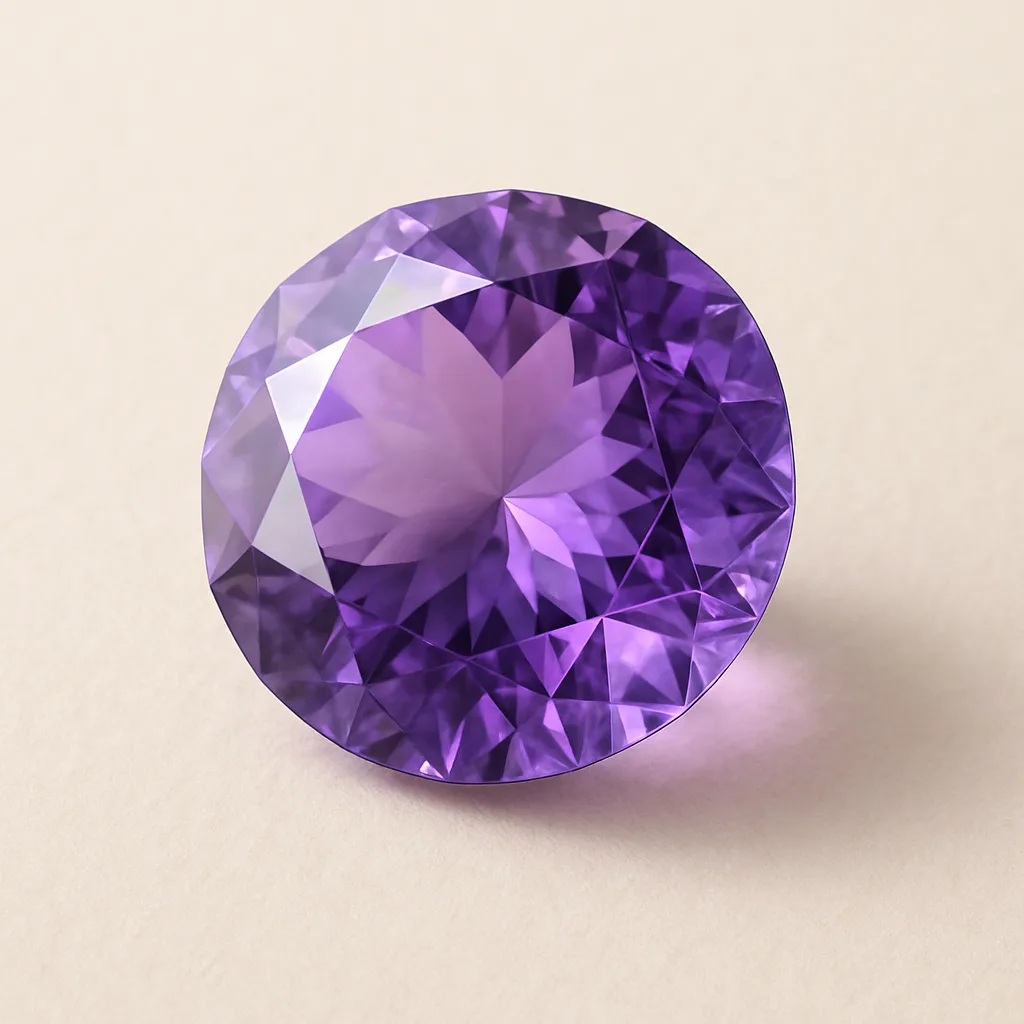
identified this stone yet
Amethyst
| Hardness | 7 |
| Specific gravity | 2.65 |
| Refractive index | 1.544-1.553 |
| Crystal system | 六方晶系(三方晶系) |
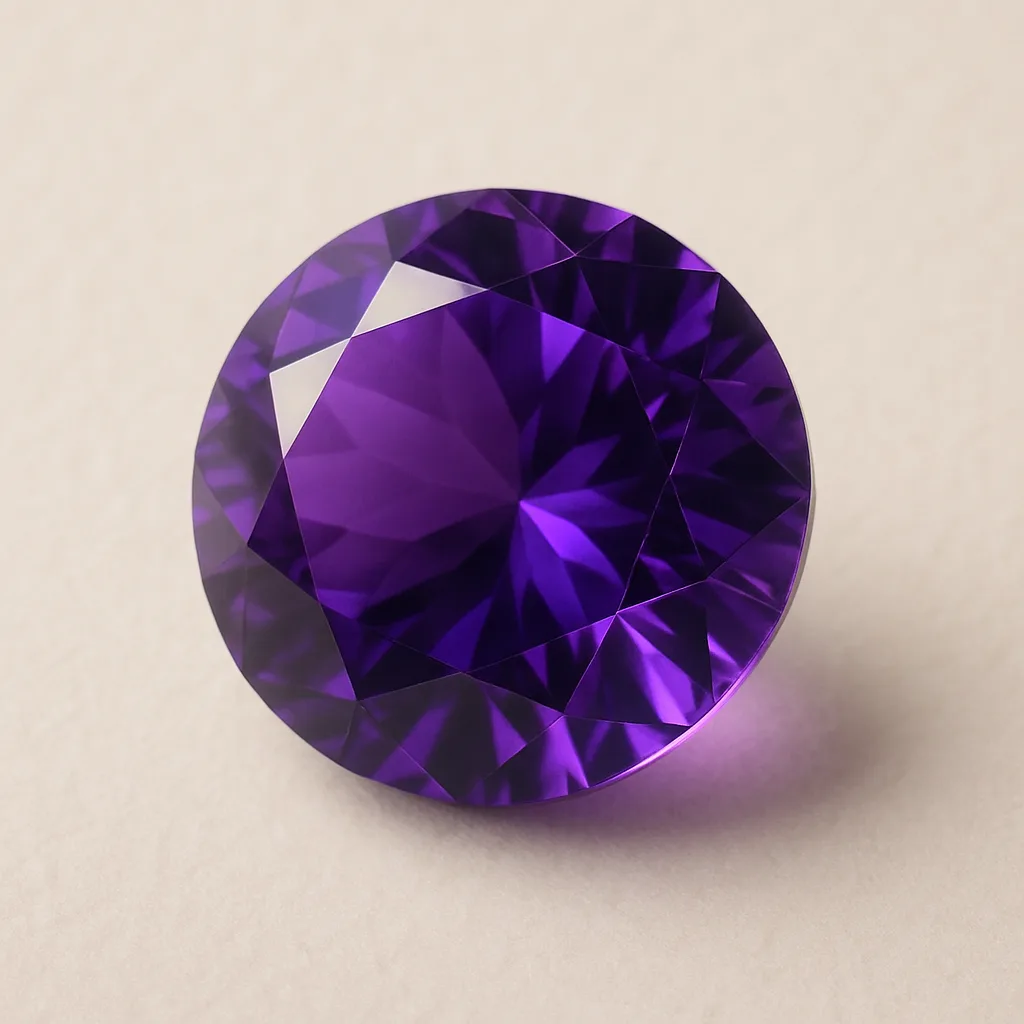
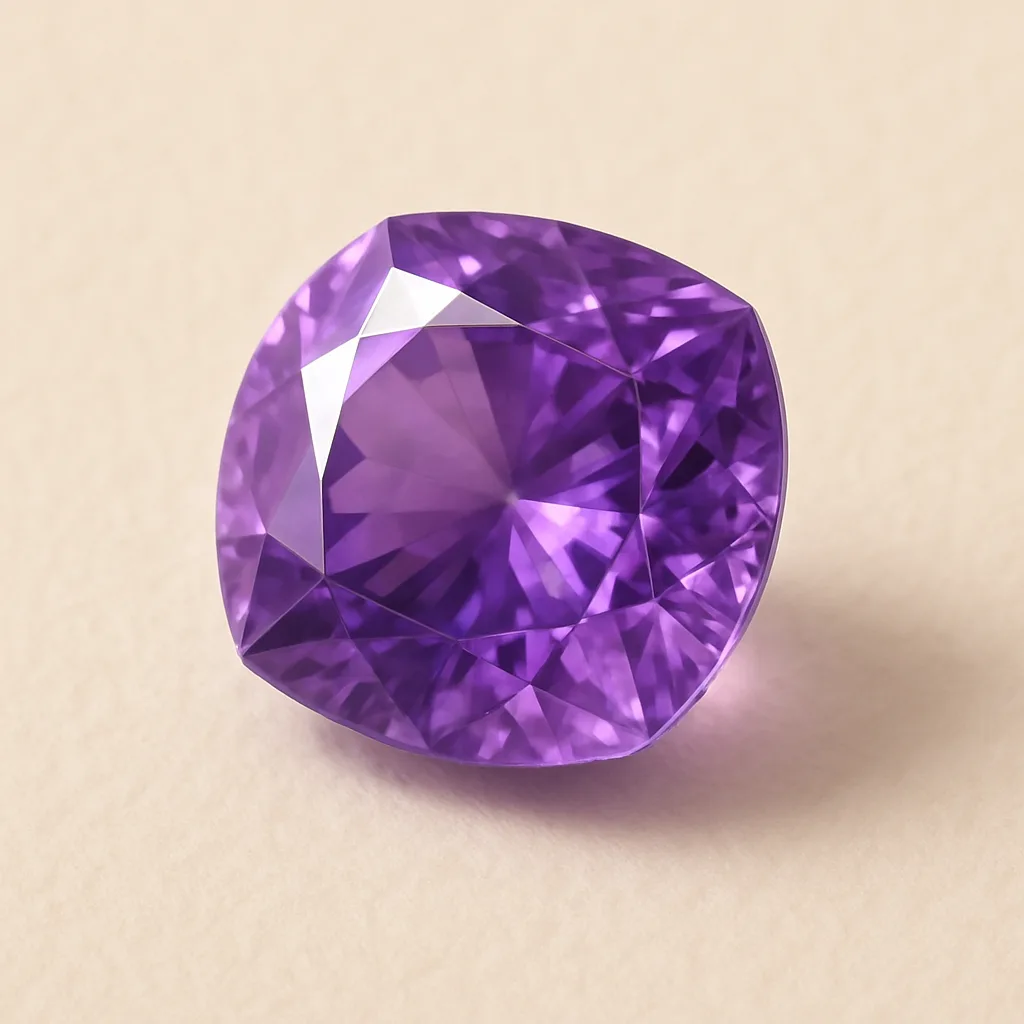
Pale lilac through medium purple to deep reddish purple. The trade term 'Siberian' refers to the top color — deep purple with red and blue flashes — regardless of origin.
- Tiger-stripe color zoning
- nclusions
- nclusions
- Goethite needles in rare specimens
- Doubly refractive, uniaxial positive
- Weak dichroism: purple and reddish purple
- 01Tiger-stripe color zoning visible under immersion suggests natural origin
- 02Synthetic amethyst shows no natural zoning and is essentially clean
- 03nclusions or zoning are suspicious — most natural amethyst shows at least some color banding
- Durable for daily wear
- Avoid prolonged direct sunlight — can fade over decades in some material
- Safe to ultrasonic and warm soapy water
From $5/ct for pale commercial material up to $80/ct for fine deep 'Siberian' color in larger sizes.
Note: Heat treatment turns amethyst into citrine, prasiolite (green quartz), or ametrine — most commercial citrine on the market is heat-treated amethyst. Untreated amethyst is the norm. Synthetic amethyst is common but hard to detect without specialized equipment.
Amethyst is quartz (SiO₂) colored by Fe³⁺ centers activated by natural irradiation in the host rock. Major sources include Brazil (Rio Grande do Sul), Uruguay (Artigas), Zambia (Kariba), Bolivia, and Madagascar. Mohs 7 makes it suitable for any jewelry use.
Origins
Brazil produces the largest volume, often in vast geodes. Uruguayan amethyst from Artigas tends toward deeper, more saturated purple in smaller crystals. Zambia's Kariba mine produces particularly fine, slightly bluish purple stones — often the source of 'African amethyst' in the modern market.
History
The Greeks named it amethystos — 'not drunken' — believing it prevented intoxication, and carved drinking cups from it. Roman, Byzantine, and Egyptian jewelry includes amethyst extensively. The 18th-century Brazilian discoveries made amethyst affordable enough to leave the cardinal's-stone category and reach a wider public.
Lore & symbolism
February's birthstone, symbolizing clarity, sobriety, and spiritual focus. The 6th and 33rd wedding anniversary stone.
Tools to confirm this stone
Tools that help confirm Amethyst. Tap any item to jump to the matching section on the gem tools page.
- 最終確認日
- 2026年4月28日
- 参 考 文 献
- Gem Encyclopedia/ GIA (Gemological Institute of America)
- 宝石鑑別基準/ 中央宝石研究所 (CGL)
- Mineral & Gem Database/ Mindat.org / Gemdat.org
- 宝石学入門/ 全国宝石学協会
本ページの物性値(屈折率・比重・硬度・結晶系等)は、上記の権威ある一次資料を相互参照して編集しています。最新の鑑別研究の進展により値が更新される場合があります。