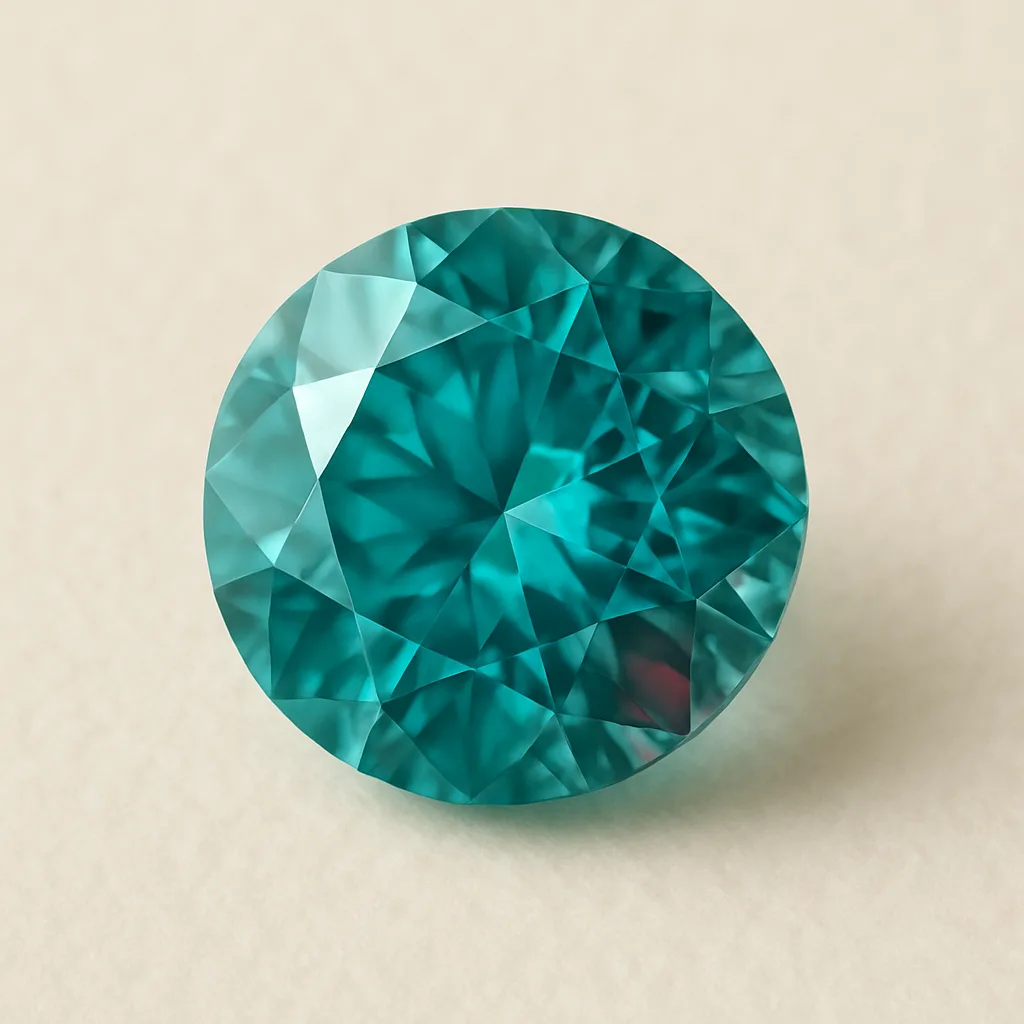
identified this stone yet
Alexandrite (Natural)
| Hardness | 8.5 |
| Specific gravity | 3.68-3.78 |
| Refractive index | 1.741-1.760 |
| Crystal system | 斜方晶系(クリソベリル) |
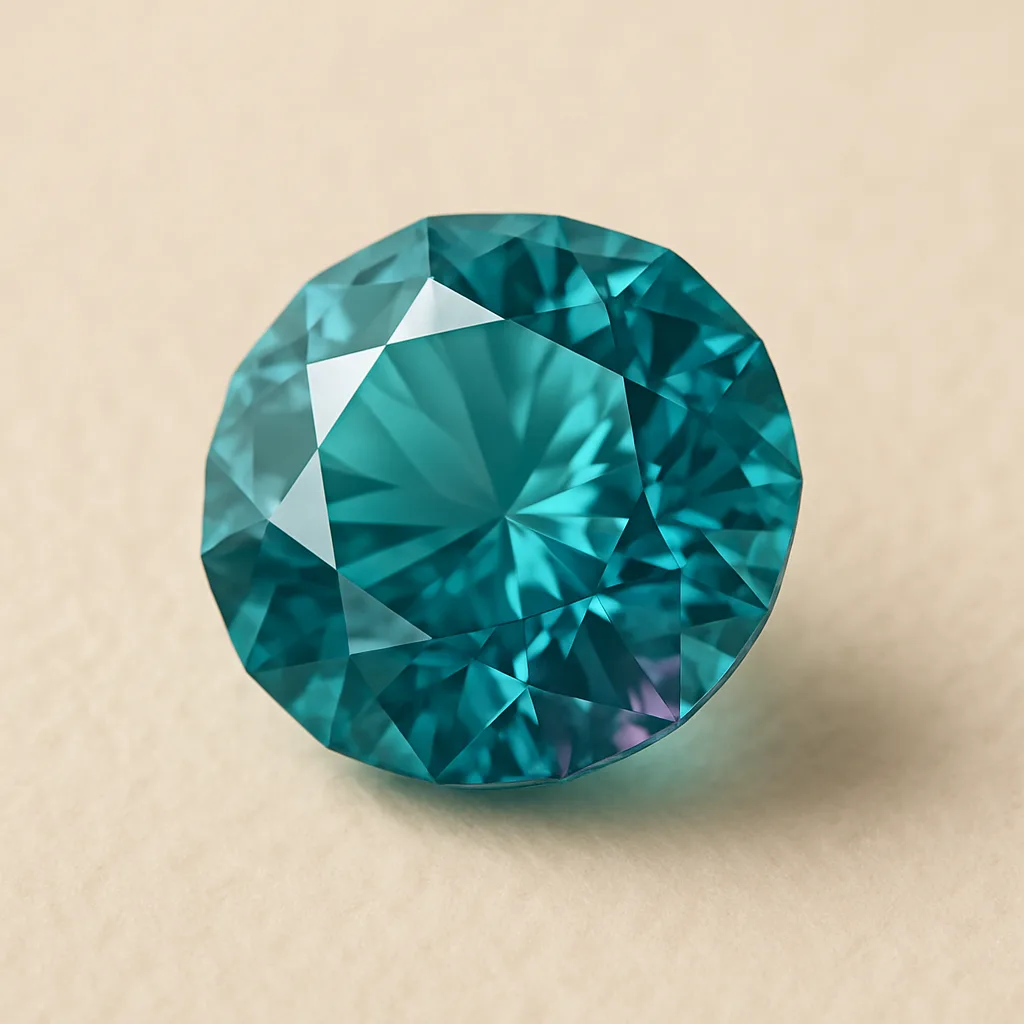
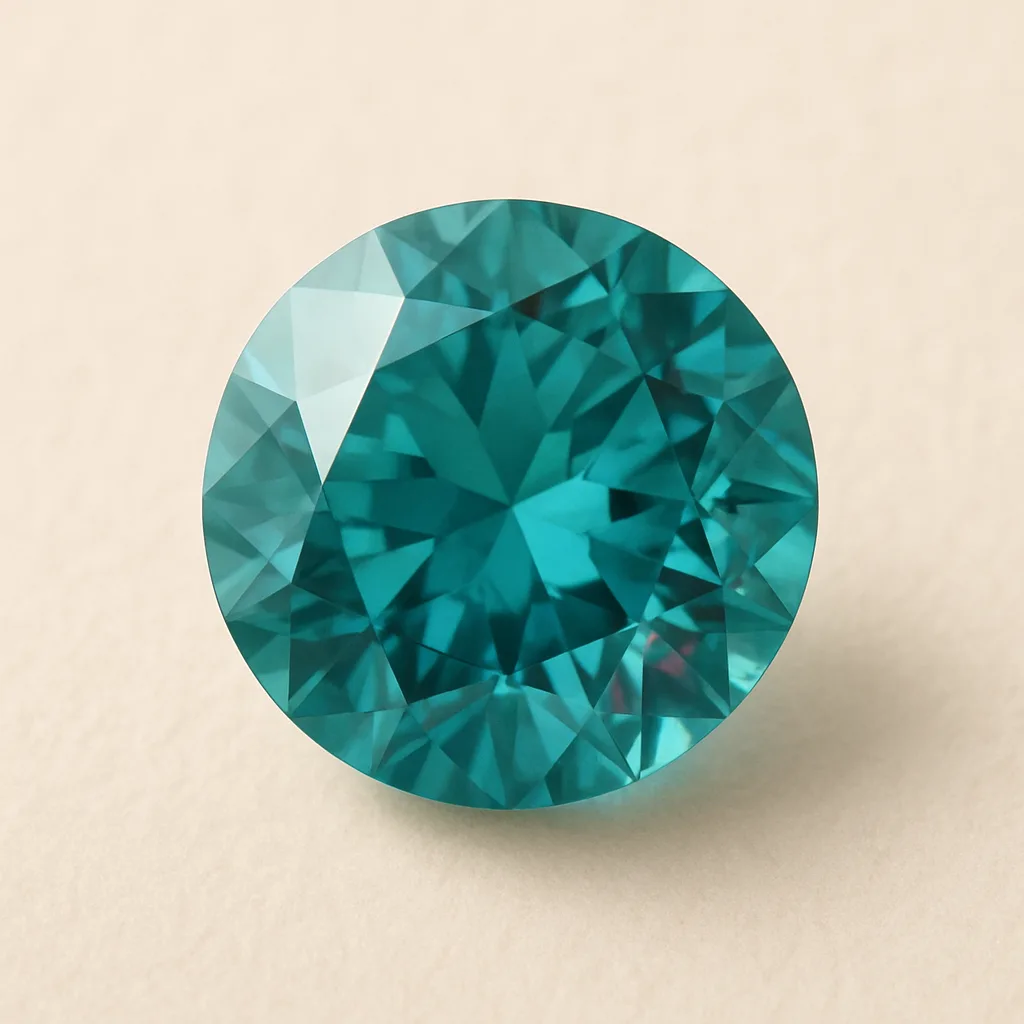
Daylight: blue-green to forest green. Incandescent (or candlelight): raspberry red to purplish red. Russian Ural material shows the strongest, cleanest change; Brazilian and Sri Lankan stones often shift to a softer brownish red.
- nclusions
- Needles and silk
- nclusions
- nclusions (rutile, apatite)
- Doubly refractive, biaxial positive
- Strong trichroism: green, orange, red
- 01Sharp, complete color change between daylight and incandescent is the headline test
- 02Three-color through a dichroscope distinguishes alexandrite from color-change garnet and synthetic corundum imitations
- 03Curved bands or unusually clean material suggests Czochralski synthetic
- 04Flux synthetics may show wispy veils and platinum platelets
- Durable for daily wear
- Safe to ultrasonic and steam unless heavily fractured
- Worth photographing under both daylight and tungsten — color shift is the identity
From $2,000/ct for commercial material with weak change up to $100,000+/ct for fine Russian Ural stones with strong change and clean clarity.
Note: Color change strength is the dominant value driver — over 60% change is considered fine. Carat-for-carat, fine alexandrite over 3 ct exceeds top ruby and sapphire prices. Synthetic alexandrite (Czochralski and flux) is common; verify with a lab report.
Alexandrite is chrysoberyl (BeAl₂O₄) trace-doped with chromium, which sits in a crystal field where green and red transmission are nearly balanced — small shifts in light source produce a dramatic color change. Mohs 8.5 with no makes it surprisingly tough for an extremely rare collector stone.
Origins
Discovered in 1830 in the Ural Mountains of Russia. Ural material remains the benchmark and is essentially mined out. Brazil's Hematita mine produced excellent material in the late 1980s. Sri Lanka, Tanzania (Tunduru), and India contribute most of today's supply, though fine color-change material remains exceptionally rare.
History
Discovered on April 29, 1834 — the day of the future Tsar Alexander II's coming of age — and named in his honor. The green and red echoed the colors of Imperial Russia, and the stone became a symbol of the empire. Modern lapidaries call top alexandrite 'emerald by day, ruby by night.'
Lore & symbolism
June's birthstone (modern, alongside pearl and moonstone). Said to bring luck and balance, and to strengthen intuition. The 55th wedding anniversary gem.
Tools to confirm this stone
Tools that help confirm Alexandrite (Natural). Tap any item to jump to the matching section on the gem tools page.
- 最終確認日
- 2026年4月28日
- 参 考 文 献
- Gem Encyclopedia/ GIA (Gemological Institute of America)
- 宝石鑑別基準/ 中央宝石研究所 (CGL)
- Mineral & Gem Database/ Mindat.org / Gemdat.org
- 宝石学入門/ 全国宝石学協会
本ページの物性値(屈折率・比重・硬度・結晶系等)は、上記の権威ある一次資料を相互参照して編集しています。最新の鑑別研究の進展により値が更新される場合があります。