COMPARE GUIDE
RhodochrositeVSRhodonite
Side-by-side comparison of physical properties, fluorescence, and crystal system — to identify by observation.
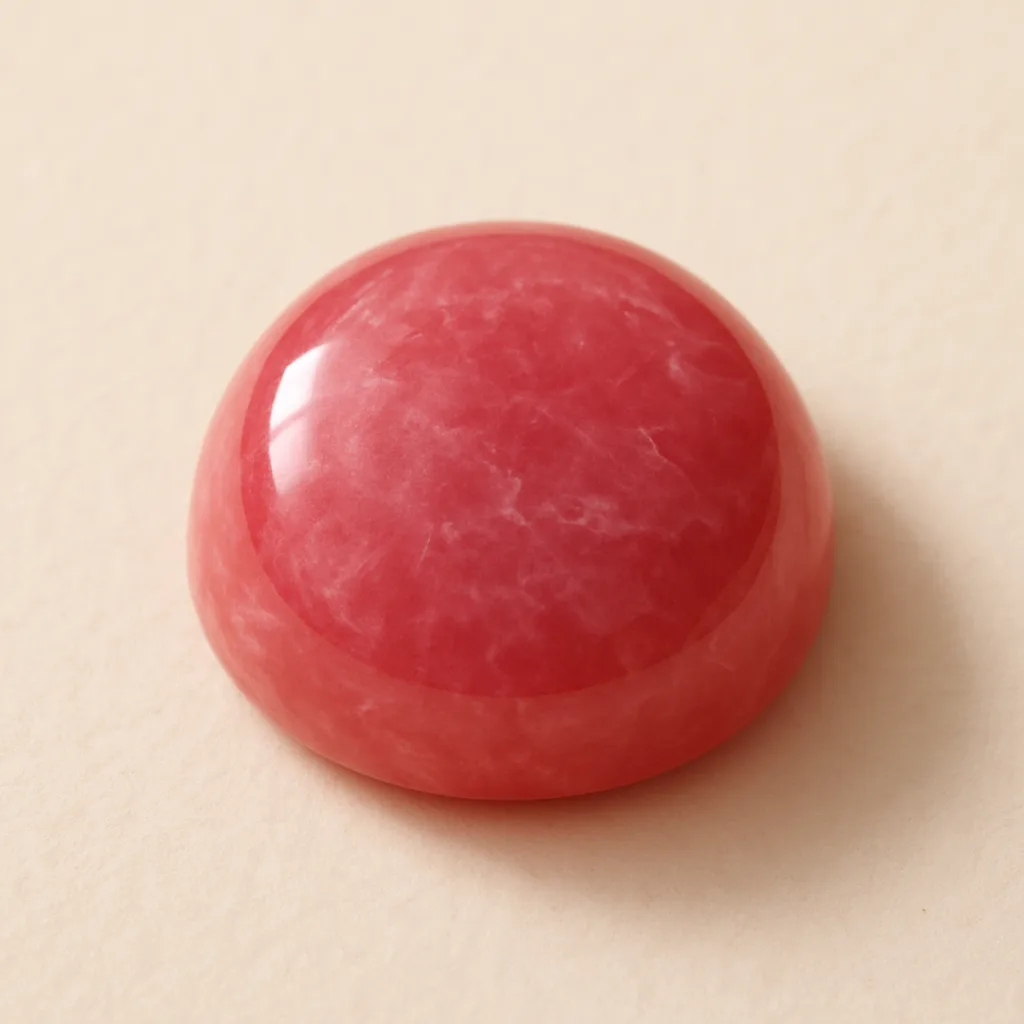
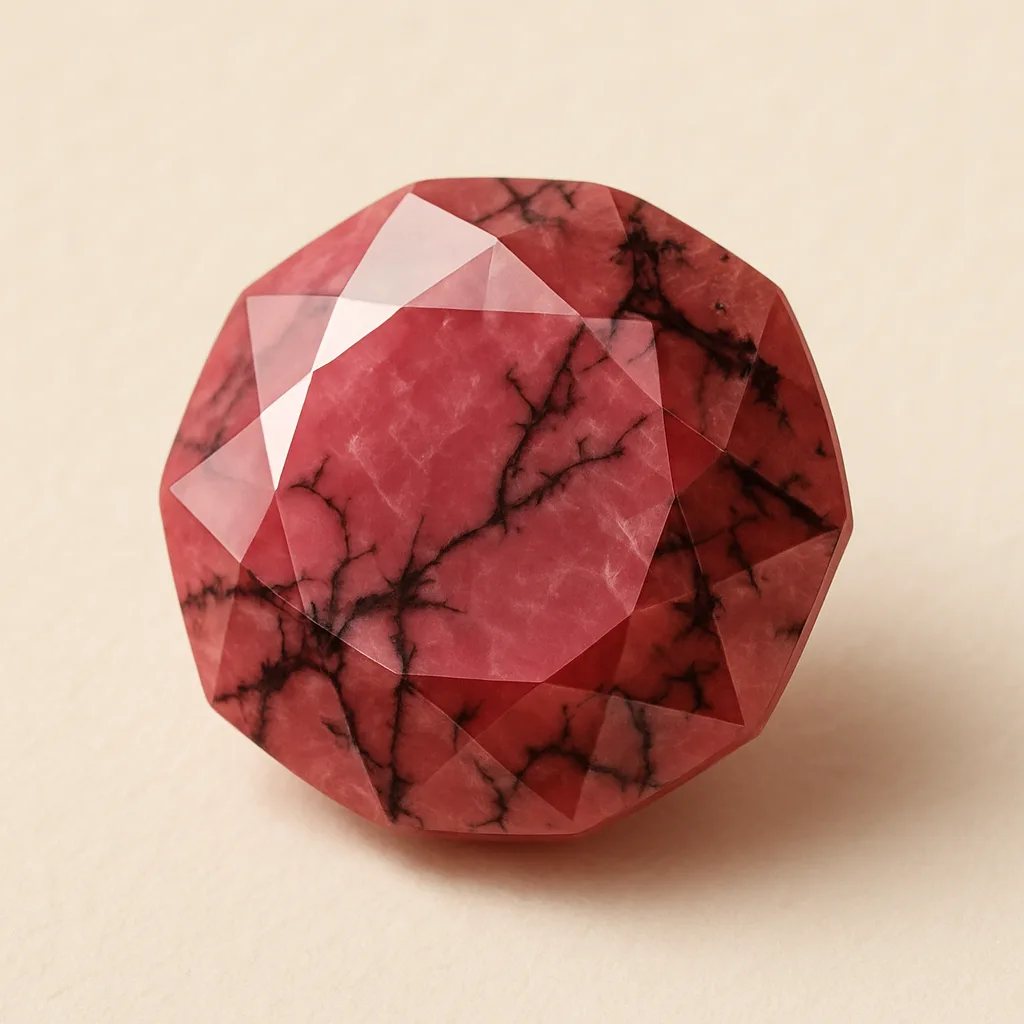
- ◎ is higher in Rhodonite, giving a numerical distinguishing point.
- ◎ is higher in Rhodochrosite, giving a numerical distinguishing point.
Note: properties whose numeric ranges do not overlap are auto-extracted. Both are measurable with a refractometer or heavy-liquid bath.
| Property | A: Rhodochrosite | B: Rhodonite | Verdict |
|---|---|---|---|
| Refractive index (RI) | 1.578–1.820 | 1.717–1.752 | Overlap |
| Specific gravity (SG) | 3.45–3.75 | 3.50–3.76 | Overlap |
| Mohs hardness | 3.5–4.0 | 5.5–6.5 | B higher |
| Birefringence | 0.220 | 0.011 | A higher |
| Dispersion | — | — | — |
| Property | A: Rhodochrosite | B: Rhodonite |
|---|---|---|
| Crystal system | 三方晶系 | 三斜晶系 |
| Pleochroism | — | — |
| Chelsea filter | — | — |
| UV (long-wave) | — | — |
| UV (short-wave) | inert | inert |
◆Rhodonite is a manganese silicate (MnSiO₃) with Mohs 5.5–6.5, SG 3.5–3.7, and characteristic black manganese-oxide veins on a pink ground. Rhodochrosite is a manganese carbonate with Mohs 3.5–4, white calcite-banding, and effervescence in dilute acid. The hardness, banding pattern, and acid test all give clear separations.
Distinguishing tools
Tools that decide between Rhodochrosite and Rhodonite in practice.
Note: this page is auto-generated from published GIA / CGL reference values. Individual stones, treatments, and synthetics may fall outside these ranges. For a definitive identification, consult an accredited gem laboratory.