COMPARE GUIDE
Synthetic OpalVSWhite Opal
Side-by-side comparison of physical properties, fluorescence, and crystal system — to identify by observation.
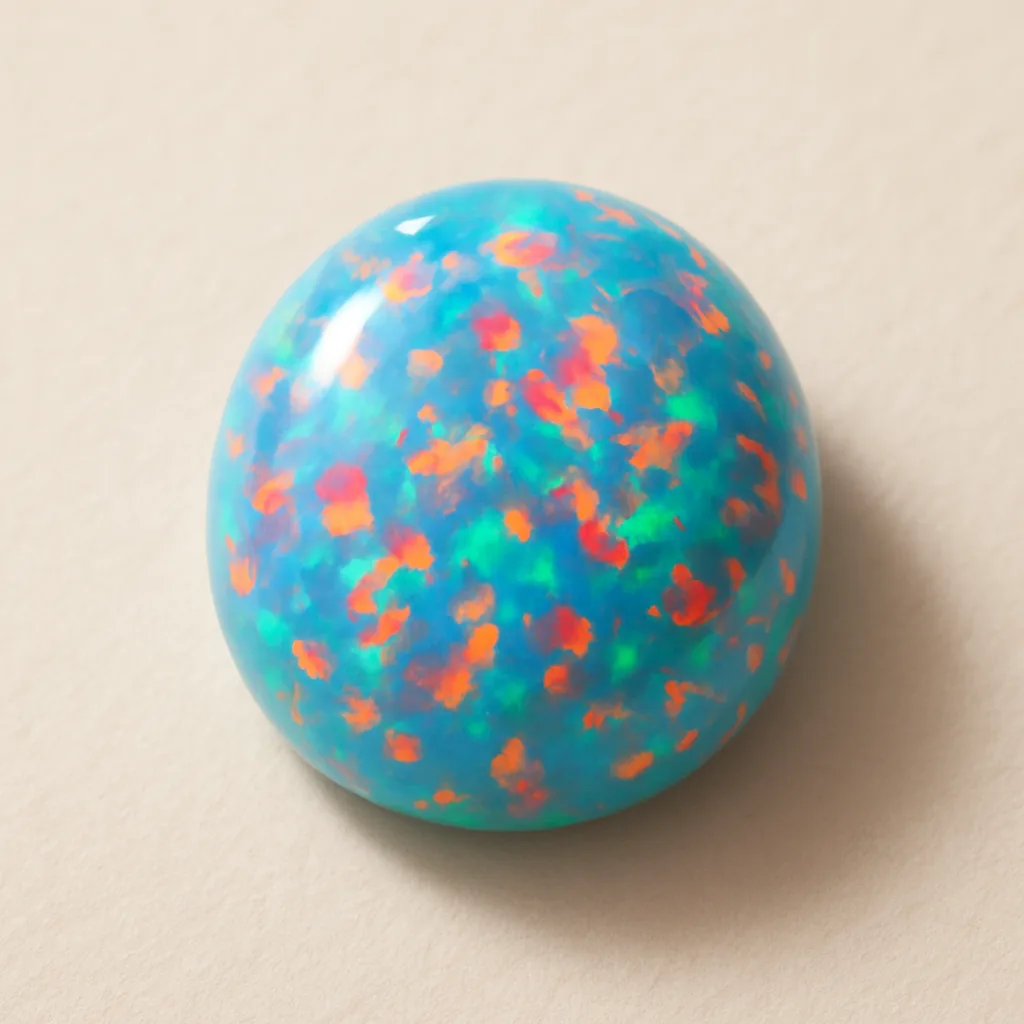
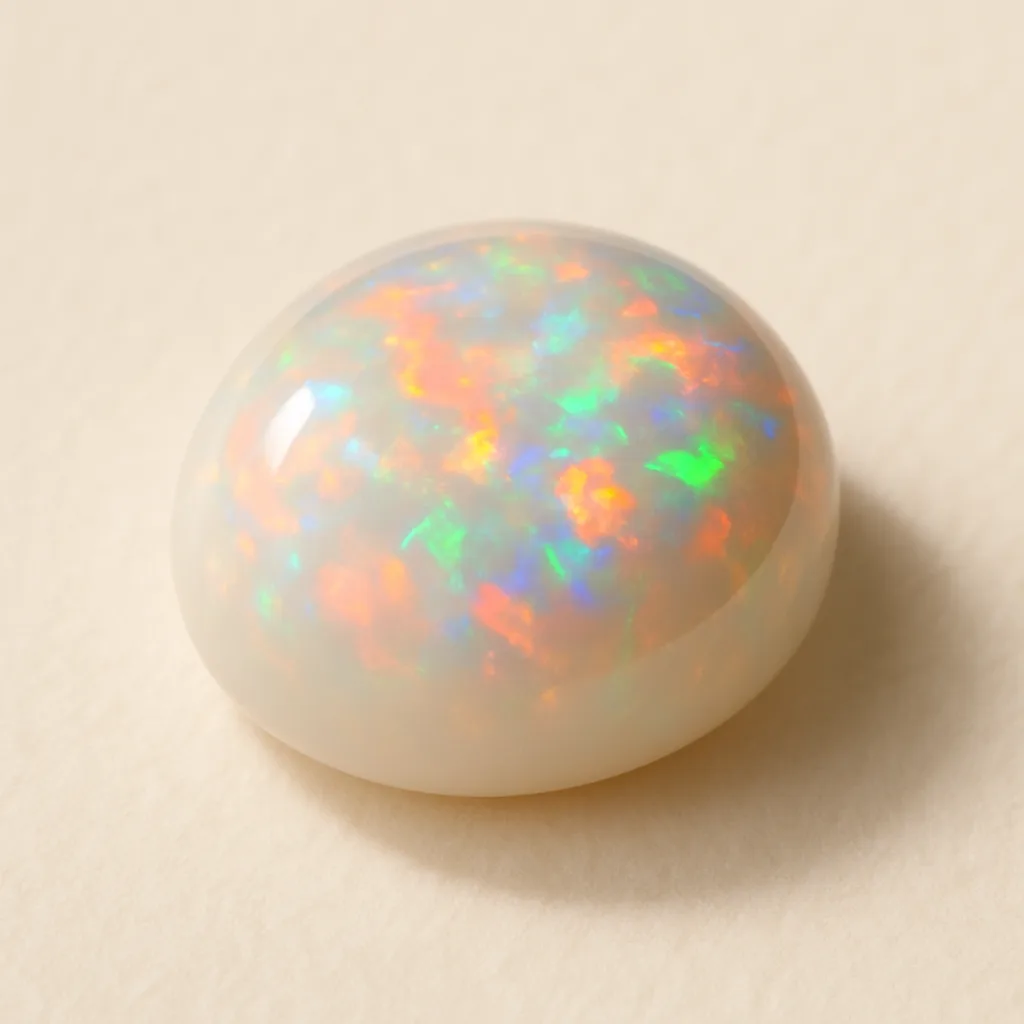
| Property | A: Synthetic Opal | B: White Opal | Verdict |
|---|---|---|---|
| Refractive index (RI) | 1.440–1.460 | 1.430–1.470 | Overlap |
| Specific gravity (SG) | 2.00–2.20 | 1.98–2.20 | Overlap |
| Mohs hardness | 5.0–6.0 | 5.5–6.5 | Overlap |
| Birefringence | — | — | — |
| Dispersion | — | — | — |
| Property | A: Synthetic Opal | B: White Opal |
|---|---|---|
| Crystal system | 非晶質(合成) | 非晶質(含水シリカ) |
| Pleochroism | — | — |
| Chelsea filter | — | inert |
| UV (long-wave) | — | weak (white / blue / green) |
| UV (short-wave) | medium (green) | weak (white) |
◆Natural white opal shows irregular organic play-of-color patches; synthetic opal shows regular polygonal chicken-wire patterns under 30×.
Distinguishing tools
Tools that decide between Synthetic Opal and White Opal in practice.
- UV lamp (short-wave 254 nm)DETAILS →
Short-wave UV reveals green fluorescence (moderate) — a decisive synthetic-vs-natural cue
- 10× loupeDETAILS →
Essential 10× tool to read inclusions, polish marks, and color zoning
- RefractometerDETAILS →
Precise refractive-index reading pins down natural vs synthetic species
Note: this page is auto-generated from published GIA / CGL reference values. Individual stones, treatments, and synthetics may fall outside these ranges. For a definitive identification, consult an accredited gem laboratory.