COMPARE GUIDE
Dyed HowliteVSSodalite
Side-by-side comparison of physical properties, fluorescence, and crystal system — to identify by observation.
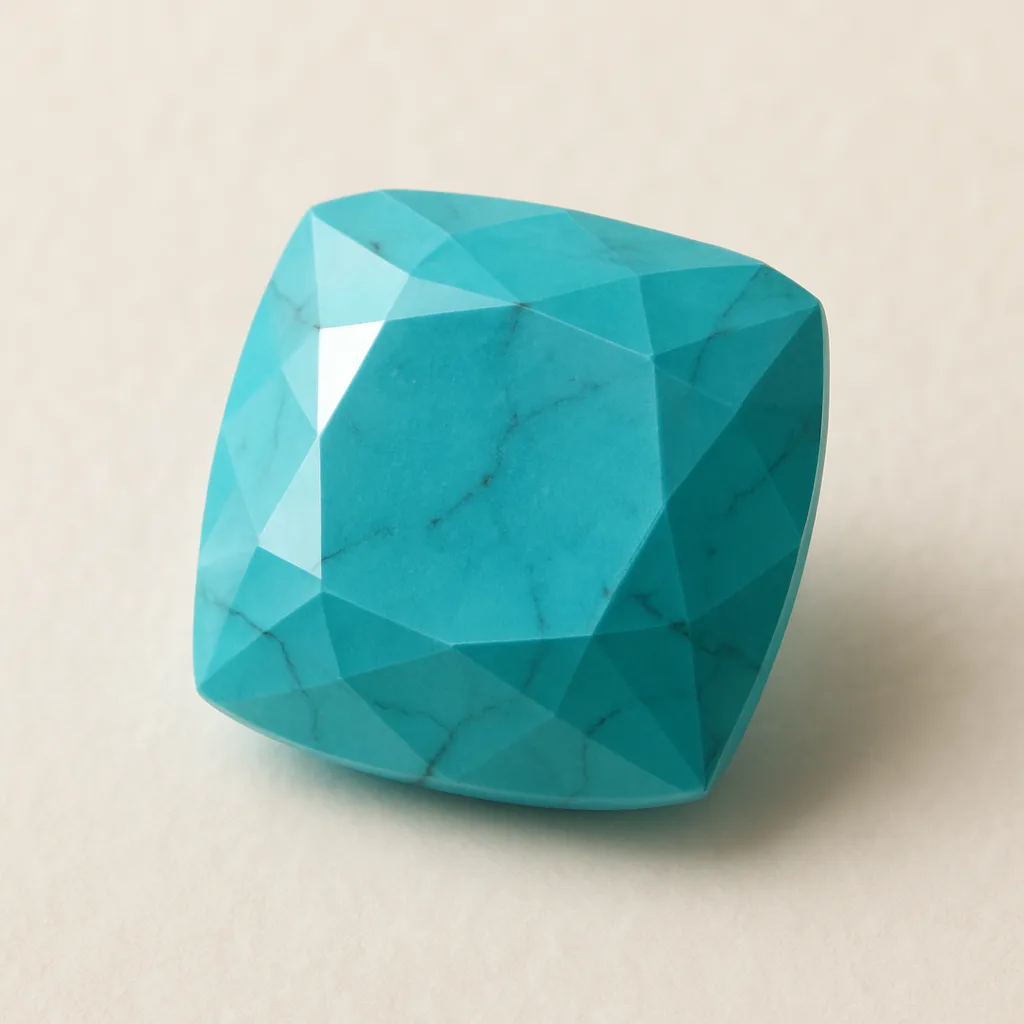
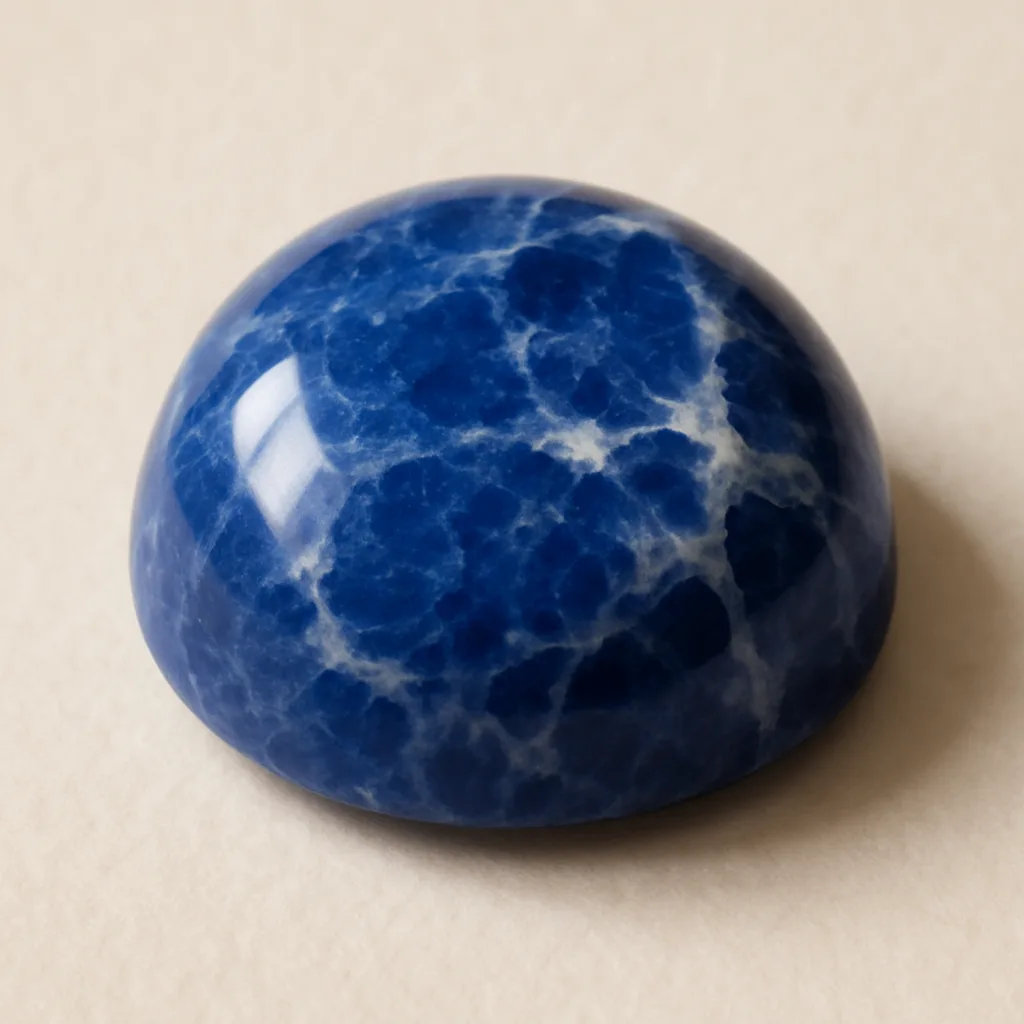
- ◎ is higher in Dyed Howlite, giving a numerical distinguishing point.
- ◎ is higher in Dyed Howlite, giving a numerical distinguishing point.
- ◎ is higher in Sodalite, giving a numerical distinguishing point.
Note: properties whose numeric ranges do not overlap are auto-extracted. Both are measurable with a refractometer or heavy-liquid bath.
| Property | A: Dyed Howlite | B: Sodalite | Verdict |
|---|---|---|---|
| Refractive index (RI) | 1.586–1.605 | 1.483–1.490 | A higher |
| Specific gravity (SG) | 2.45–2.59 | 2.13–2.30 | A higher |
| Mohs hardness | 3.5 | 5.5–6.0 | B higher |
| Birefringence | 0.022 | — | — |
| Dispersion | — | — | — |
| Property | A: Dyed Howlite | B: Sodalite |
|---|---|---|
| Crystal system | 単斜晶系 | 等軸晶系 |
| Pleochroism | — | — |
| Chelsea filter | — | — |
| UV (long-wave) | — | — |
| UV (short-wave) | inert | weak (orange) |
◆ed under LW-UV — diagnostic) is a uniformly blue silicate, sometimes with white calcite veining, mined from Bahia Brazil, Ontario Canada (the historic Princess sodalite mine at Bancroft), Greenland (Ilimaussaq), and Russia. Sodalite is harder than howlite (Mohs 5.5–6 versus 3.5), denser-different (SG 2.27–2.33 versus 2.58, slightly lower than howlite), and the LW-UV abochons mimic the surface appearance of sodalite as well as lapis, and the same acetone-swab dye-transfer test separates the two. Sodalite genuine material trades at $10–$200 per carat for premium royal-blue Bahia material — moderate but not extreme price differential.
Distinguishing tools
Tools that decide between Dyed Howlite and Sodalite in practice.
Note: this page is auto-generated from published GIA / CGL reference values. Individual stones, treatments, and synthetics may fall outside these ranges. For a definitive identification, consult an accredited gem laboratory.