COMPARE GUIDE
Cubic ZirconiaVSNatural Diamond
Side-by-side comparison of physical properties, fluorescence, and crystal system — to identify by observation.
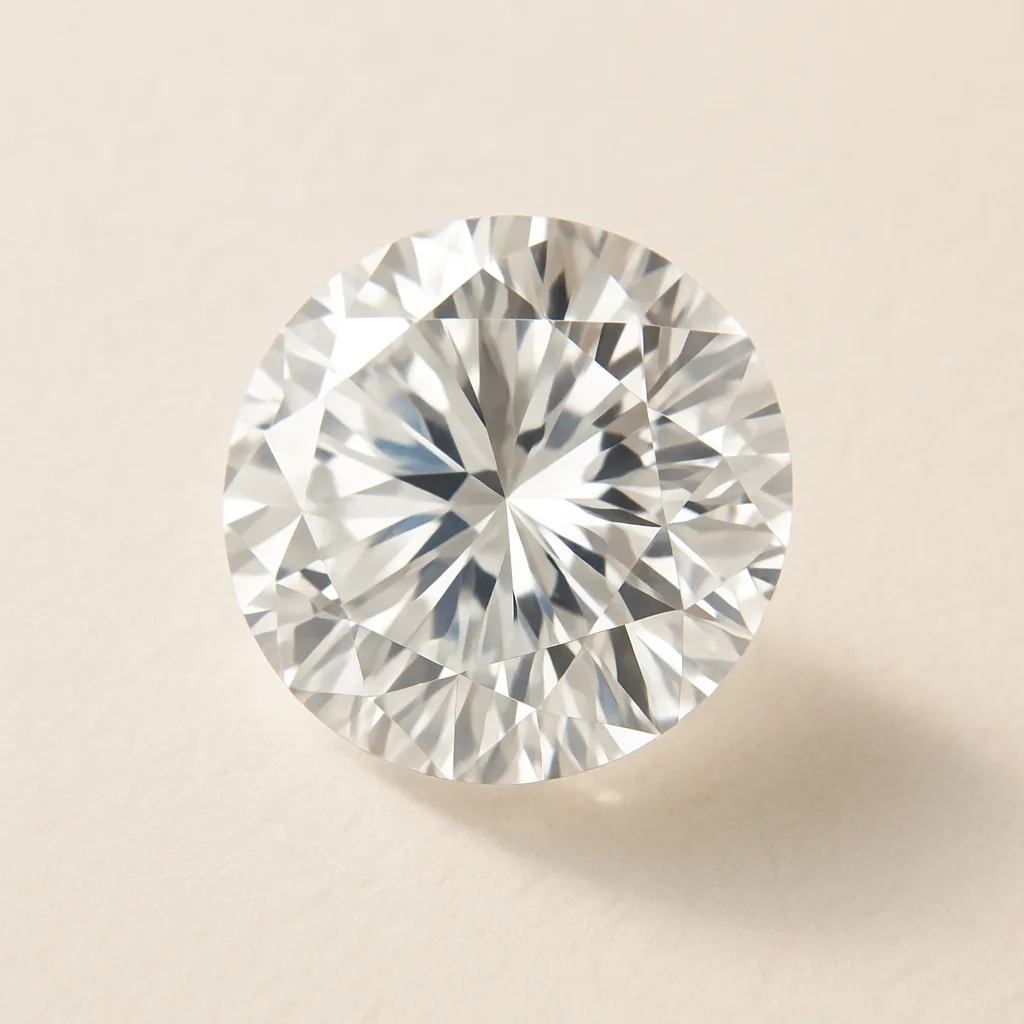
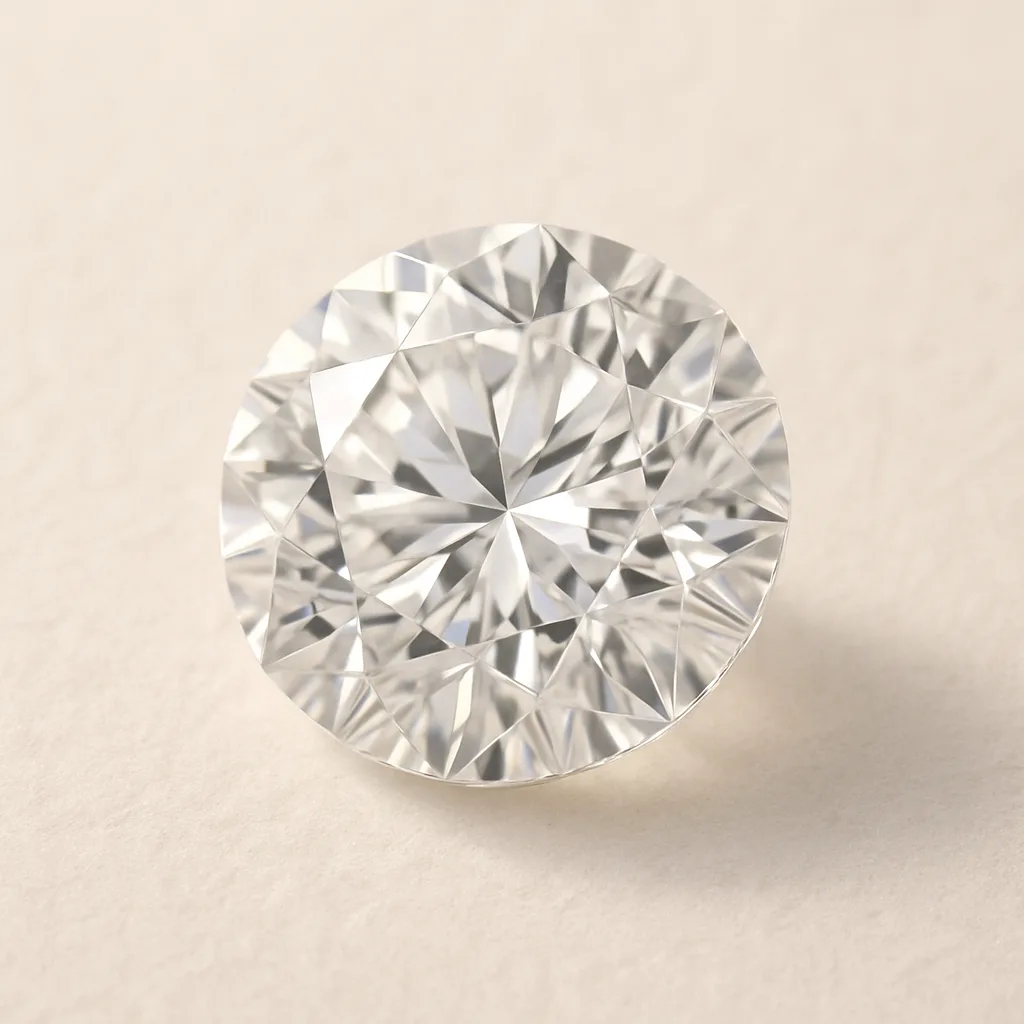
- ◎ is higher in Natural Diamond, giving a numerical distinguishing point.
- ◎ is higher in Cubic Zirconia, giving a numerical distinguishing point.
- ◎ is higher in Natural Diamond, giving a numerical distinguishing point.
- ◎ is higher in Cubic Zirconia, giving a numerical distinguishing point.
Note: properties whose numeric ranges do not overlap are auto-extracted. Both are measurable with a refractometer or heavy-liquid bath.
| Property | A: Cubic Zirconia | B: Natural Diamond | Verdict |
|---|---|---|---|
| Refractive index (RI) | 2.150–2.180 | 2.417–2.419 | B higher |
| Specific gravity (SG) | 5.50–6.00 | 3.50–3.53 | A higher |
| Mohs hardness | 8.0–8.5 | 10.0 | B higher |
| Birefringence | — | — | — |
| Dispersion | 0.060 | 0.044 | A higher |
| Property | A: Cubic Zirconia | B: Natural Diamond |
|---|---|---|
| Crystal system | 等軸晶系 | 等軸晶系 |
| Pleochroism | — | — |
| Chelsea filter | inert | inert |
| UV (long-wave) | weak (yellow) | medium (blue) |
| UV (short-wave) | weak (yellow) | inert |
◆Diamond (C, RI 2.42, SG 3.52, 0.044, Mohs 10) is dramatically lighter than CZ (SG 5.6–6.0) at the same carat weight, has higher refractive index (lines on paper invisible through diamond, visible through CZ), lower (less rainbow fire), and dramatically higher thermal conductivity (positive on diamond probes). The hand-heft test alone separates a one-carat diamond from a one-carat CZ in seconds; combined thermal-conductivity and visual-fire inspection is conclusive without lab equipment.
Distinguishing tools
Tools that decide between Cubic Zirconia and Natural Diamond in practice.
Note: this page is auto-generated from published GIA / CGL reference values. Individual stones, treatments, and synthetics may fall outside these ranges. For a definitive identification, consult an accredited gem laboratory.