COMPARE GUIDE
Clear GlassVSPlastic / Acrylic / Lucite
Side-by-side comparison of physical properties, fluorescence, and crystal system — to identify by observation.
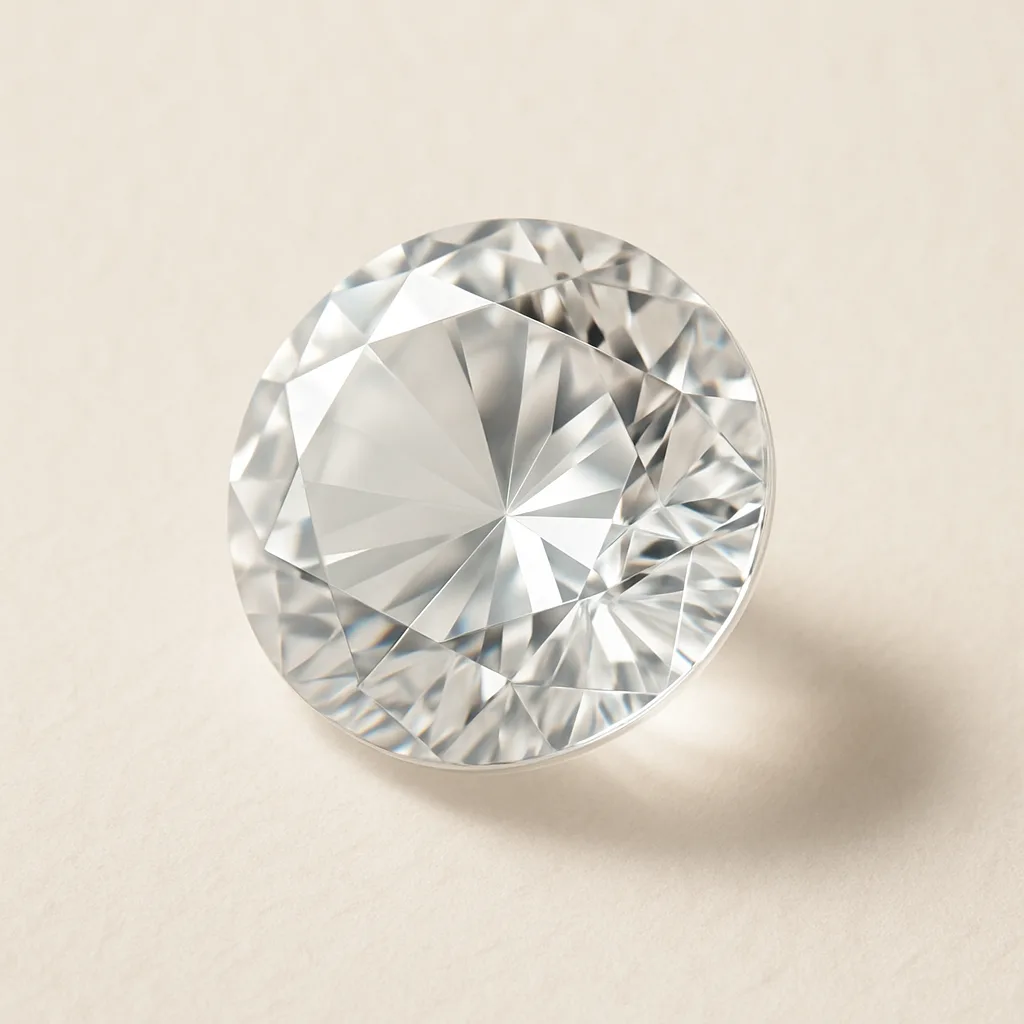
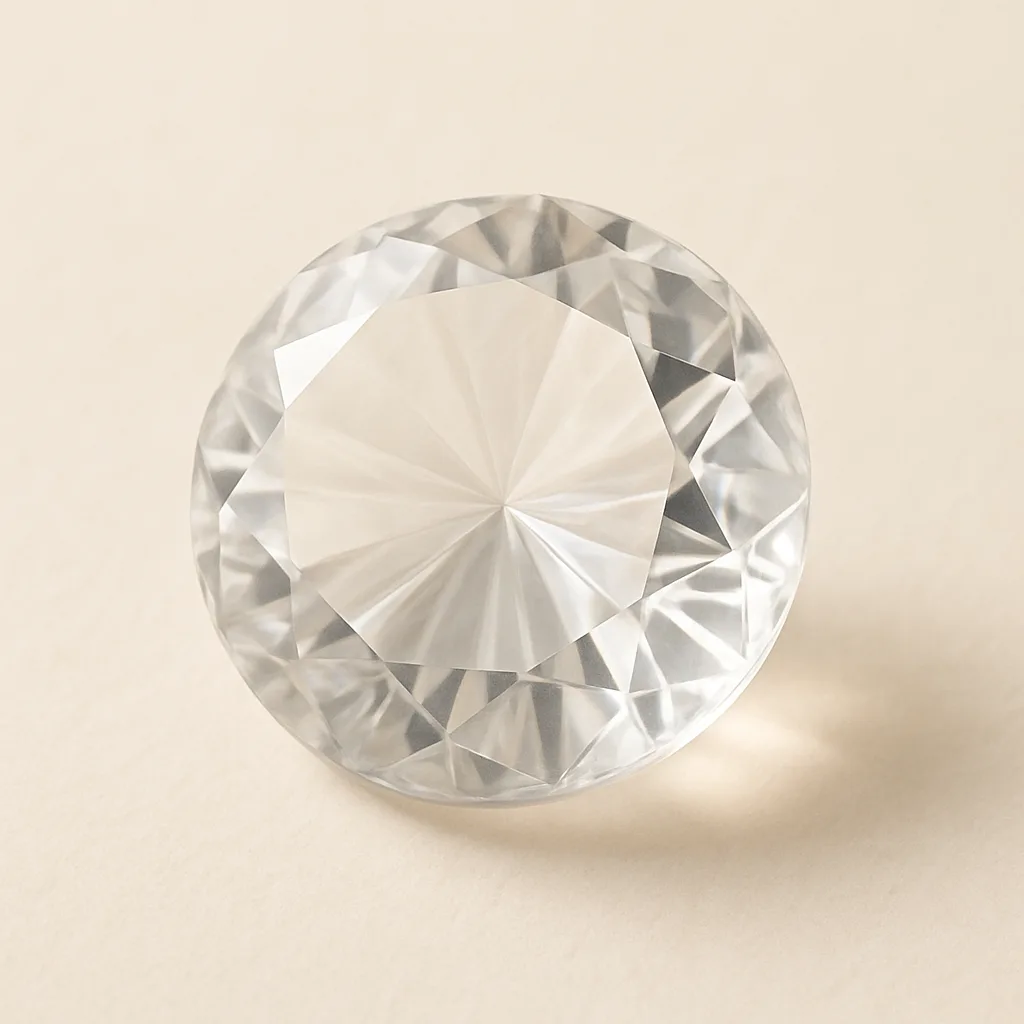
- ◎ is higher in Clear Glass, giving a numerical distinguishing point.
- ◎ is higher in Clear Glass, giving a numerical distinguishing point.
Note: properties whose numeric ranges do not overlap are auto-extracted. Both are measurable with a refractometer or heavy-liquid bath.
| Property | A: Clear Glass | B: Plastic / Acrylic / Lucite | Verdict |
|---|---|---|---|
| Refractive index (RI) | 1.480–1.700 | 1.460–1.520 | Overlap |
| Specific gravity (SG) | 2.30–4.50 | 1.05–1.55 | A higher |
| Mohs hardness | 5.0–6.0 | 2.0–3.0 | A higher |
| Birefringence | — | — | — |
| Dispersion | — | — | — |
| Property | A: Clear Glass | B: Plastic / Acrylic / Lucite |
|---|---|---|
| Crystal system | 非晶質 | 非晶質(合成樹脂) |
| Pleochroism | — | — |
| Chelsea filter | inert | — |
| UV (long-wave) | inert | — |
| UV (short-wave) | inert | weak (white) |
◆Clear glass (amorphous silicate paste, Mohs 5–6, SG 2.4–4.5, RI 1.50–1.70, singly refractive, conchoidal fracture) versus clear acrylic plastic (PMMA, Mohs 2–3, SG 1.15–1.20, RI 1.49–1.50, singly refractive, amorphous polymer). The specific-gravity difference (2.4–4.5 versus 1.15–1.20) is unambiguous and diagnostic — PMMA floats in concentrated salt brine at SG 1.20 while every glass sinks. The hardness difference (Mohs 5–6 versus 2–3) is decisive on a scratch test with a fingernail or copper coin. The thermal-feel test ('warm' plastic versus 'cold' glass) and the hot-needle test (chemical odour and surface softening for plastic; no response for glass) are quick field tests. The refractive-index range overlaps (1.49–1.50 plastic versus 1.50–1.70 glass) so the refractometer alone is not diagnostic. Vintage Lucite signed pieces (Coro, Trifari, Eisenberg jelly-belly figurals) command vintage-market premiums versus unsigned glass paste; the same diagnostic tests separate the two at the gemological laboratory level.
Distinguishing tools
Tools that decide between Clear Glass and Plastic / Acrylic / Lucite in practice.
Note: this page is auto-generated from published GIA / CGL reference values. Individual stones, treatments, and synthetics may fall outside these ranges. For a definitive identification, consult an accredited gem laboratory.