COMPARE GUIDE
ChrysopraseVSPrehnite
Side-by-side comparison of physical properties, fluorescence, and crystal system — to identify by observation.
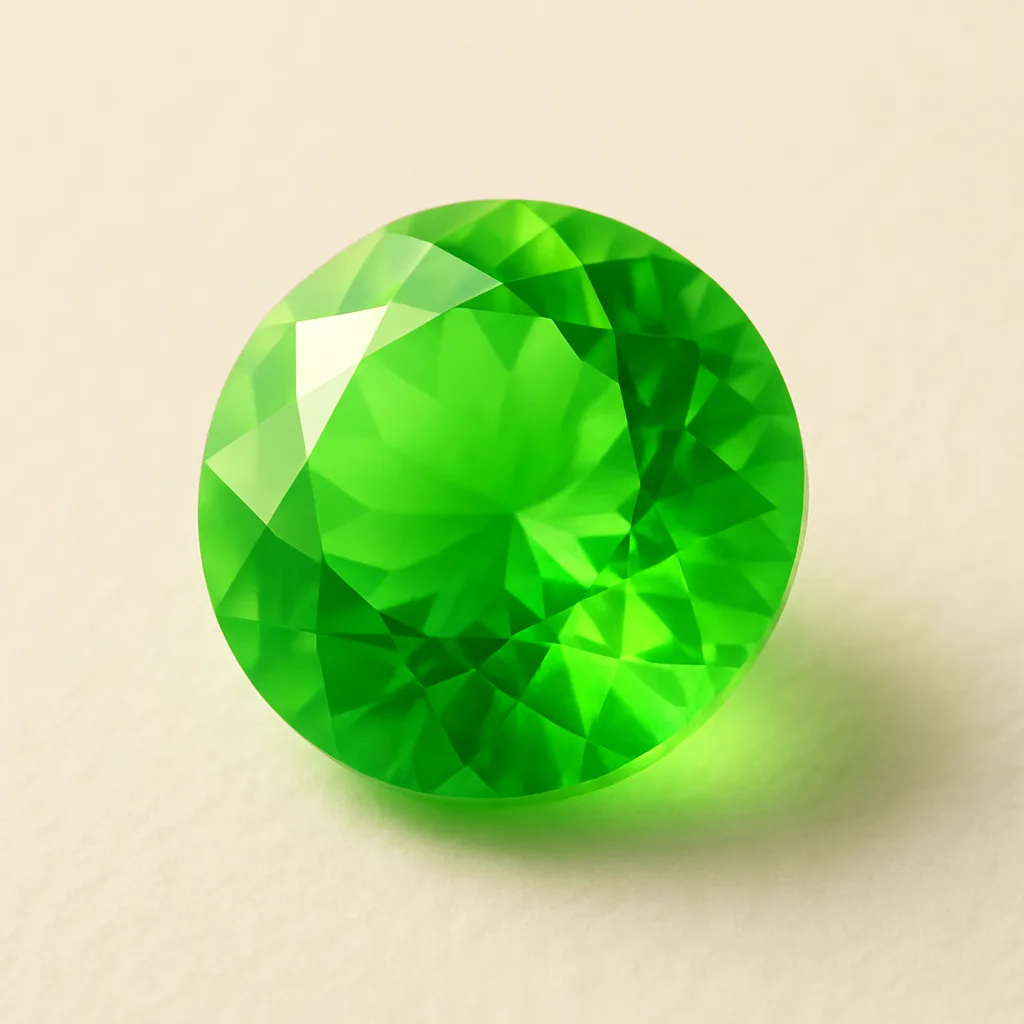
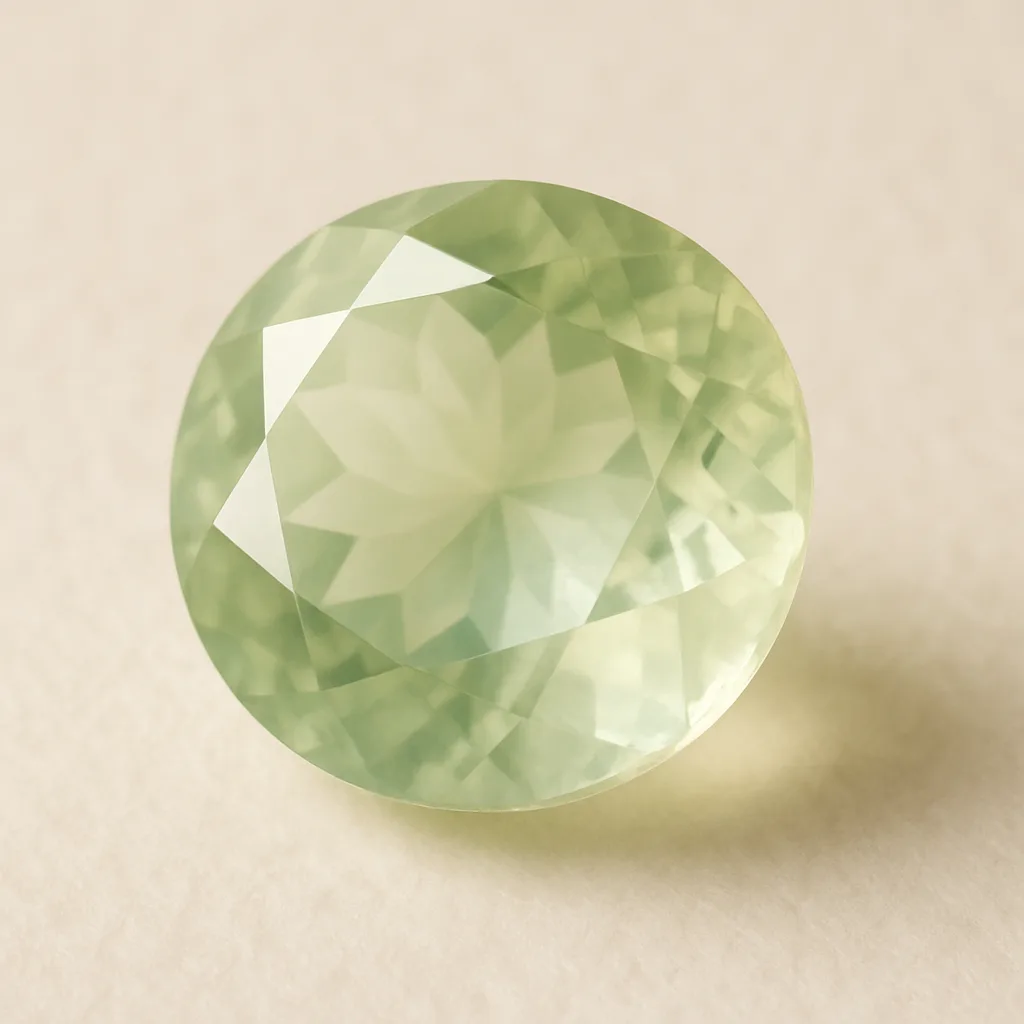
- ◎ is higher in Prehnite, giving a numerical distinguishing point.
- ◎ is higher in Prehnite, giving a numerical distinguishing point.
- ◎ is higher in Prehnite, giving a numerical distinguishing point.
Note: properties whose numeric ranges do not overlap are auto-extracted. Both are measurable with a refractometer or heavy-liquid bath.
| Property | A: Chrysoprase | B: Prehnite | Verdict |
|---|---|---|---|
| Refractive index (RI) | 1.530–1.540 | 1.611–1.669 | B higher |
| Specific gravity (SG) | 2.58–2.64 | 2.80–2.95 | B higher |
| Mohs hardness | 6.5–7.0 | 6.0–6.5 | Overlap |
| Birefringence | 0.004 | 0.022 | B higher |
| Dispersion | — | — | — |
| Property | A: Chrysoprase | B: Prehnite |
|---|---|---|
| Crystal system | 三方晶系(潜晶質) | 斜方晶系 |
| Pleochroism | — | — |
| Chelsea filter | — | — |
| UV (long-wave) | — | — |
| UV (short-wave) | inert | inert |
◆Chrysoprase is chalcedony (microcrystalline quartz) with RI 1.53–1.54, SG 2.58–2.64, and a uniform translucent green from disseminated nickel silicate. Prehnite has RI 1.611–1.669, SG 2.80–2.95, and characteristic fibrous radial structure visible at 10×; it is also doubly refractive while chrysoprase is essentially singly refractive in aggregate. The refractometer and the magnifier give immediate separations.
Distinguishing tools
Tools that decide between Chrysoprase and Prehnite in practice.
Note: this page is auto-generated from published GIA / CGL reference values. Individual stones, treatments, and synthetics may fall outside these ranges. For a definitive identification, consult an accredited gem laboratory.