COMPARE GUIDE
Natural Blue SapphireVSSynthetic Blue Spinel
Side-by-side comparison of physical properties, fluorescence, and crystal system — to identify by observation.
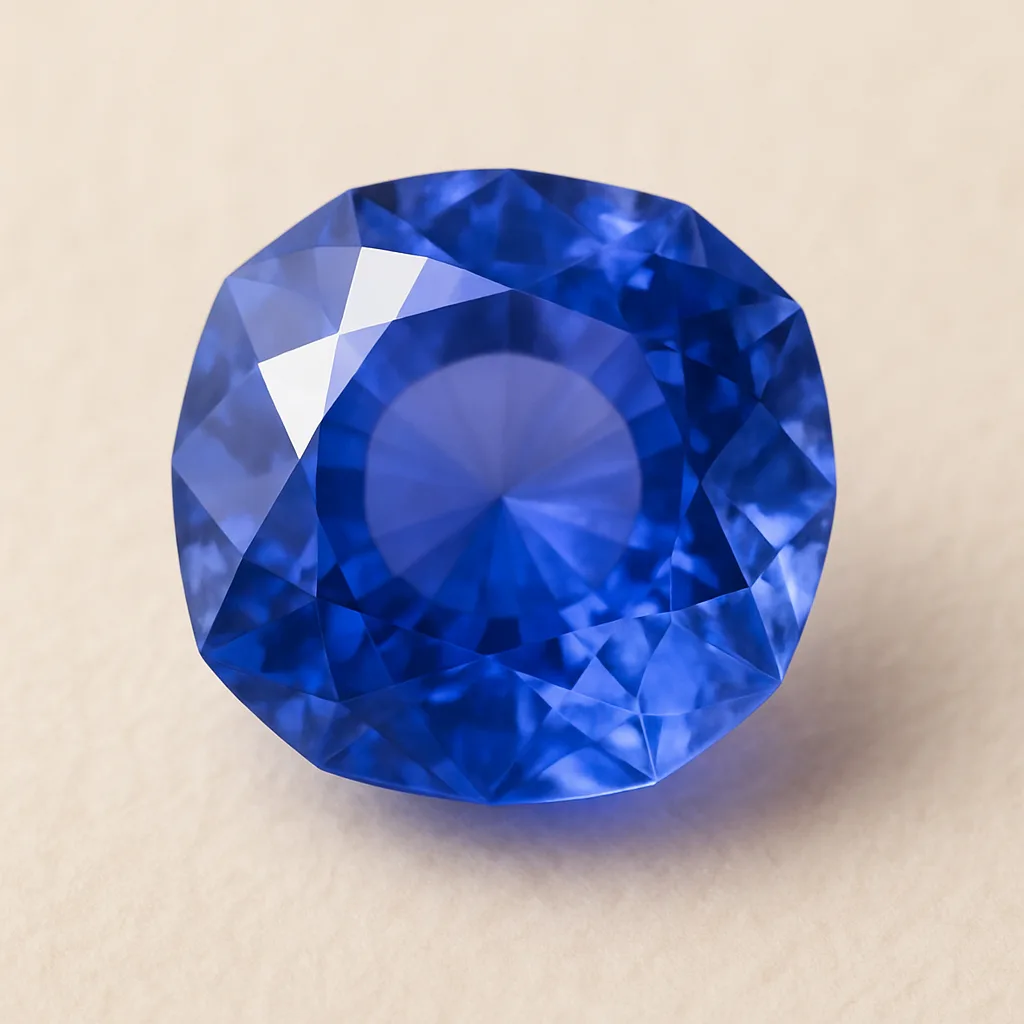
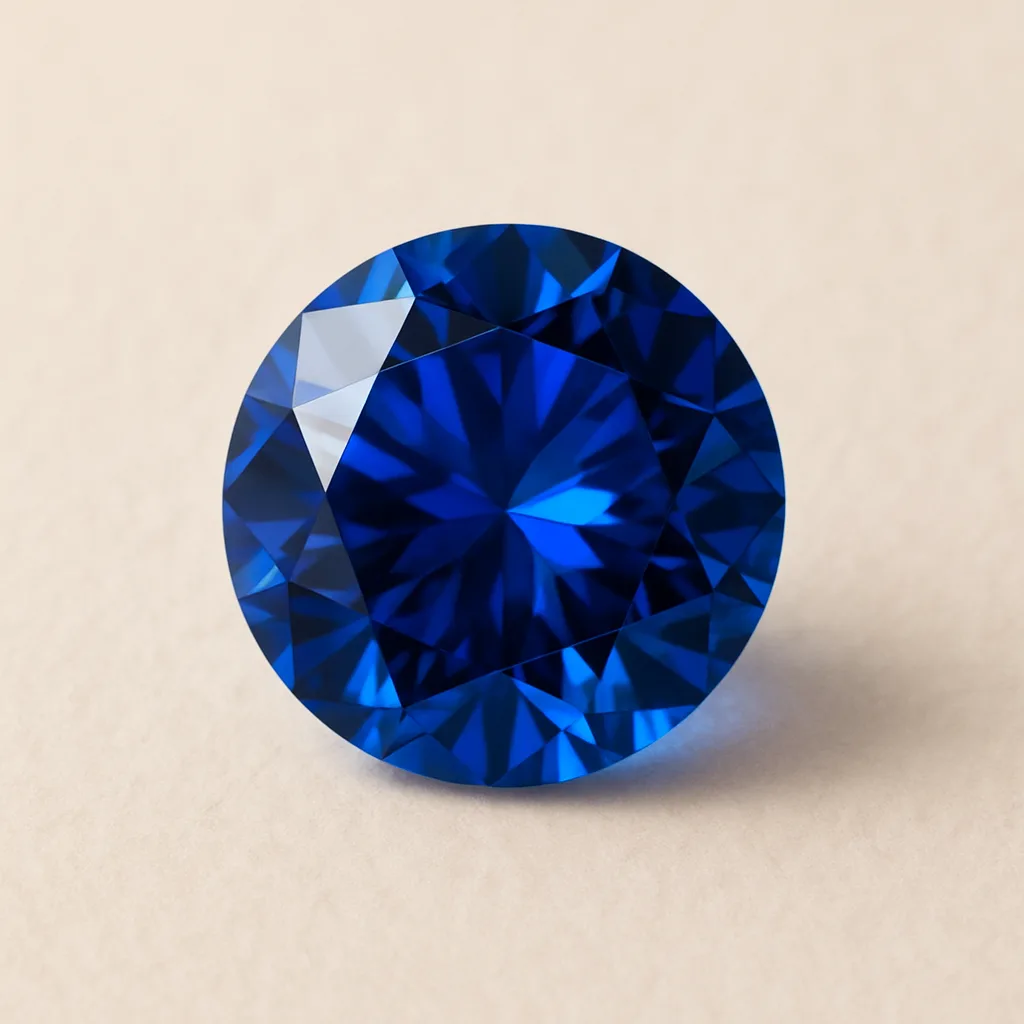
- ◎ is higher in Natural Blue Sapphire, giving a numerical distinguishing point.
- ◎ is higher in Natural Blue Sapphire, giving a numerical distinguishing point.
- ◎ is higher in Natural Blue Sapphire, giving a numerical distinguishing point.
Note: properties whose numeric ranges do not overlap are auto-extracted. Both are measurable with a refractometer or heavy-liquid bath.
| Property | A: Natural Blue Sapphire | B: Synthetic Blue Spinel | Verdict |
|---|---|---|---|
| Refractive index (RI) | 1.762–1.770 | 1.727–1.731 | A higher |
| Specific gravity (SG) | 3.95–4.03 | 3.62–3.65 | A higher |
| Mohs hardness | 9.0 | 8.0 | A higher |
| Birefringence | 0.008 | — | — |
| Dispersion | — | — | — |
| Property | A: Natural Blue Sapphire | B: Synthetic Blue Spinel |
|---|---|---|
| Crystal system | 六方晶系(三方晶系) | 等軸晶系 |
| Pleochroism | 強(青・緑青) | — |
| Chelsea filter | inert | red |
| UV (long-wave) | inert | weak (blue / white) |
| UV (short-wave) | inert | strong (white) |
◆Synthetic spinel is singly refractive — no dichroism, no — and shows chalky under SW UV.
Distinguishing tools
Tools that decide between Natural Blue Sapphire and Synthetic Blue Spinel in practice.
- DichroscopeDETAILS →
Strong pleochroism — confirm both axes through twin windows
- Chelsea filterDETAILS →
Quick chrome-content screen — chromium-bearing stones glow red through the filter
- UV lamp (short-wave 254 nm)DETAILS →
Short-wave UV reveals white fluorescence (strong) — a decisive synthetic-vs-natural cue
Note: this page is auto-generated from published GIA / CGL reference values. Individual stones, treatments, and synthetics may fall outside these ranges. For a definitive identification, consult an accredited gem laboratory.