COMPARE GUIDE
Black GlassVSObsidian
Side-by-side comparison of physical properties, fluorescence, and crystal system — to identify by observation.
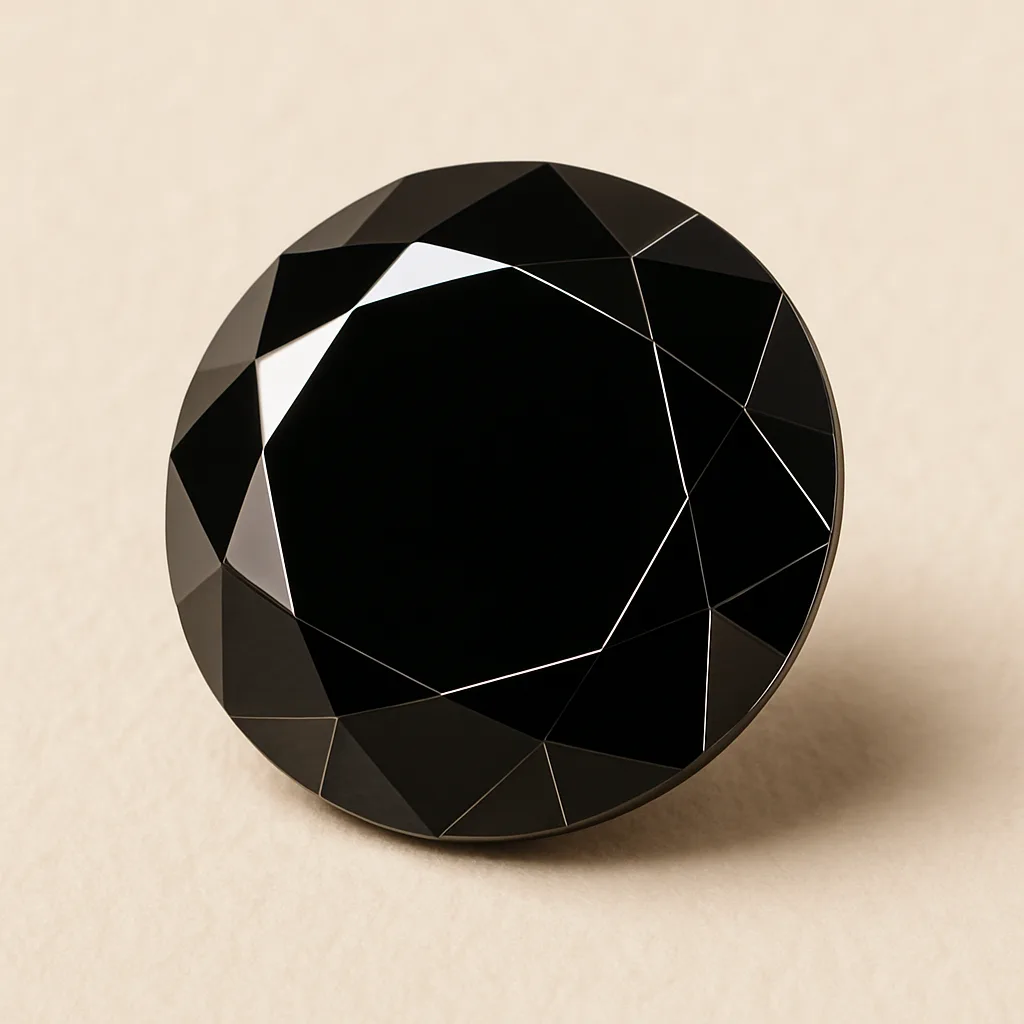
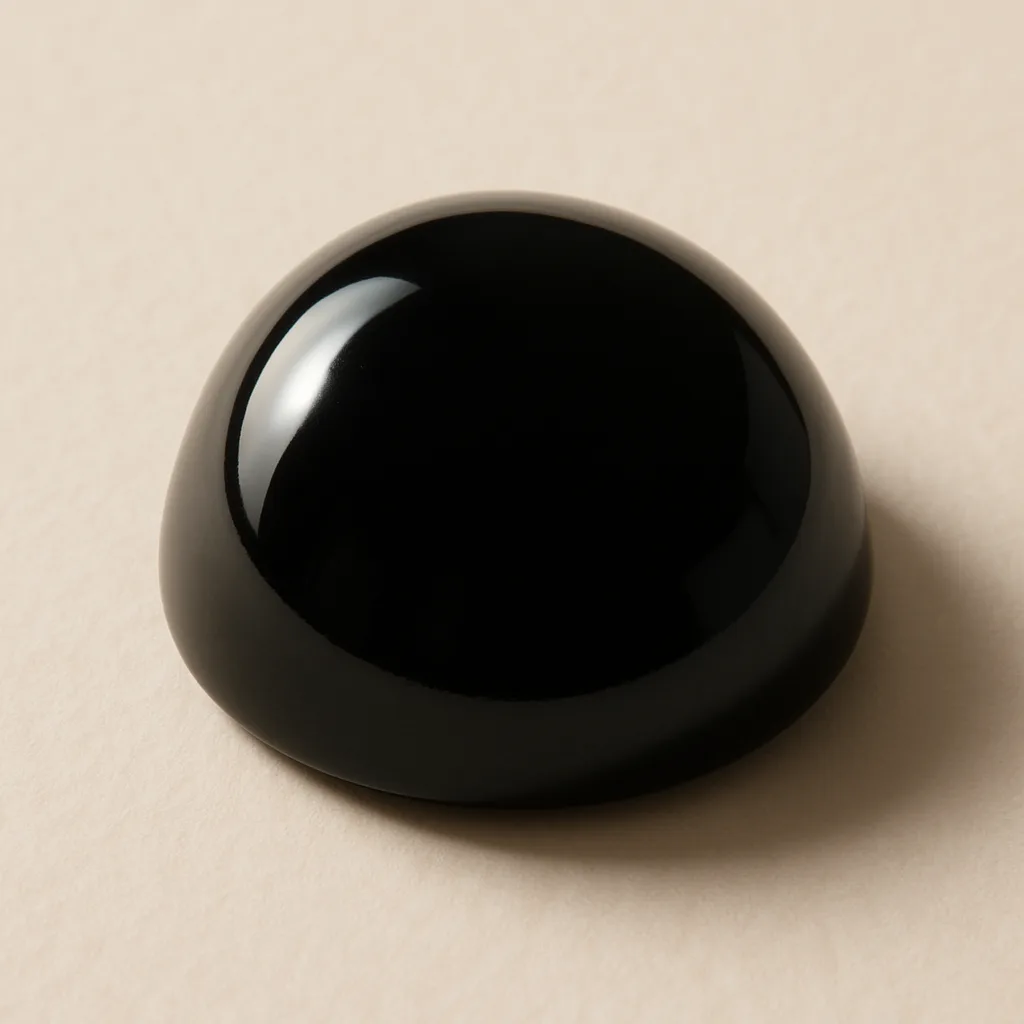
| Property | A: Black Glass | B: Obsidian | Verdict |
|---|---|---|---|
| Refractive index (RI) | 1.480–1.700 | 1.480–1.510 | Overlap |
| Specific gravity (SG) | 2.30–4.50 | 2.30–2.60 | Overlap |
| Mohs hardness | 5.0–6.0 | 5.0–5.5 | Overlap |
| Birefringence | — | — | — |
| Dispersion | — | — | — |
| Property | A: Black Glass | B: Obsidian |
|---|---|---|
| Crystal system | 非晶質 | 非晶質(火山ガラス) |
| Pleochroism | — | — |
| Chelsea filter | — | — |
| UV (long-wave) | — | — |
| UV (short-wave) | weak (yellow) | inert |
◆Obsidian (natural volcanic glass, Mohs 5.0–5.5, SG 2.3–2.6, RI 1.48–1.51, singly refractive) shows irregular natural flow banding and rare elongate bubble patterns from the original volcanic eruption — never the regular round gas bubbles and pressing-die seams diagnostic of manufactured black glass. Refractometer reads consistent 1.48–1.51 for obsidian versus the wider 1.44–1.70 range for glass. Sierra de Pachuca (Hidalgo, Mexico), Tequila Volcano (Jalisco, Mexico), and Hokkaido Shirataki are principal natural obsidian sources; manufactured French jet comes from Gablonzer or Saint-Gobain. The visible internal structure under 10× immersion in oil resolves the diagnostic question in seconds.
Distinguishing tools
Tools that decide between Black Glass and Obsidian in practice.
Note: this page is auto-generated from published GIA / CGL reference values. Individual stones, treatments, and synthetics may fall outside these ranges. For a definitive identification, consult an accredited gem laboratory.